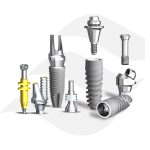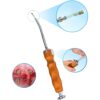
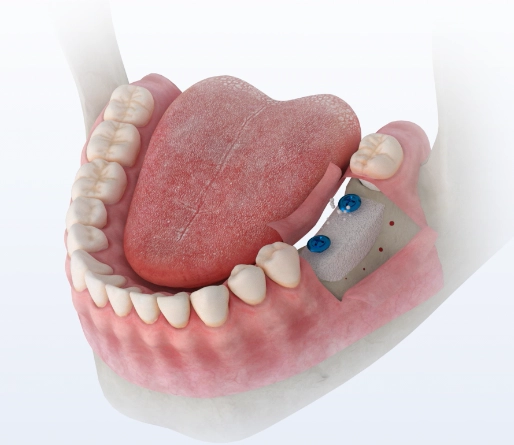
Bone grafting has now become a common dental procedure, especially among those preparing for dental implants. However, many people are still unfamiliar with what bone grafting actually involves — what it is, how it works, and what to expect. Don’t worry — in this article, we’ll provide a comprehensive overview of dental bone grafting, including its benefits, surgical details, post-operative care tips, pre-surgery preparations, and when to contact your dentist if any issues arise. Whether you’re considering a bone graft yourself or simply curious about the procedure, this guide will give you all the key information you need.
In simple terms, dental bone grafting is a surgical procedure designed to restore or increase the amount of bone in the jaw where it has been lost or where additional support is required. The graft may come from another part of the patient’s body or from synthetic bone materials that integrate with the existing jawbone. This procedure is most commonly performed before dental implant placement or in cases where bone loss has already begun to affect nearby gums and teeth.
Next, let’s take a closer look at how bone grafting works, the surgical methods used, and what kind of results you can expect.
What is a dental bone graft?
A dental bone graft is an important oral surgical procedure used to address insufficient jawbone volume. In the field of oral health, when the jawbone suffers from loss or atrophy for various reasons, or when certain areas require additional bone support, a bone graft plays a key role.
The principle of the procedure is to increase bone volume in the target area using graft materials. There are two main sources for these materials:
Autologous bone – taken from other parts of the patient’s body, such as the chin or iliac bone. Autologous bone has excellent biocompatibility and osteogenic potential, allowing it to integrate well with the jawbone.
Synthetic bone materials – specially processed artificial materials that provide structural support and guide new bone regeneration.
This procedure is commonly applied in various scenarios, such as:
Preparing for subsequent dental implant surgery, ensuring the implant has stable bone support.
Addressing severe bone loss that has already affected the health and stability of surrounding gums and teeth, helping to restore normal oral function and morphology.
Benefits of Dental Bone Grafting
Dental bone grafting is a highly valuable technique that plays a critical role in oral medicine, precisely repairing and reconstructing jawbone structures damaged due to tooth loss, trauma, or periodontal disease.
The significance of dental bone grafting goes far beyond restoring bone structure. After a successful bone graft, patients are able to undergo other restorative dental treatments, among which dental implants are particularly representative. The long-term success and stability of dental implants heavily depend on the health and adequate volume of the jawbone. Bone grafting provides a solid “foundation” for implants. It is worth noting that the human body possesses a strong natural ability to regenerate bone tissue, but this potential requires sufficient space and stable support — conditions that dental bone grafting can provide, thereby promoting natural bone regeneration.
Regarding graft material selection, dental bone grafting offers multiple advantages. It can utilize autologous bone from the patient, which has excellent biocompatibility and minimizes the risk of rejection. Alternatively, donor bone, animal-derived bone, or advanced synthetic materials can be used. This wide variety of material options gives dentists and patients greater flexibility to tailor the procedure to the individual’s specific condition and needs.
In summary, the benefits of dental bone grafting are broad and profound. It not only effectively restores damaged jawbone but also supports overall oral health, enhancing both function and aesthetics comprehensively.
Dental Bone Grafting Procedure
Dental bone grafting is a surgical procedure designed to repair and reconstruct jawbone structures, providing a stable foundation for subsequent dental implants or other restorative treatments. The procedure generally follows these key steps:
1. Preoperative Preparation and Assessment
Oral and Imaging Examination:
The dentist conducts a thorough examination of the patient’s oral health, including the quality and quantity of the alveolar bone. Imaging tools such as X-rays or CT scans are used to accurately evaluate the jawbone structure, identify missing teeth, and assess bone density, height, and width.
Overall Health Assessment:
The patient’s medical history is reviewed, including conditions such as diabetes, cardiovascular diseases, or blood disorders, which may affect surgical safety and graft success. Preoperative evaluation and control of these conditions are essential.
Surgical Plan Development:
Based on oral and imaging assessments, along with patient needs and overall health, a personalized surgical plan is formulated. This plan specifies the type of graft material, implantation site, angle, and depth.
2. Anesthesia and Surgical Preparation
Local Anesthesia:
Local anesthesia is administered to ensure a painless procedure.
Disinfection:
The surgical site is thoroughly disinfected to reduce the risk of infection.
3. Bone Grafting Procedure
Incision:
An incision is made in the area requiring grafting, opening the soft tissue above the missing tooth site to expose the bone.
Bone Exposure:
The gum flap is lifted to expose the bone pocket. Subgingival calculus and any pathological tissue are removed to fully expose the cortical bone.
Graft Material Collection or Placement:
- Autologous Bone Graft: Bone is harvested from another part of the patient’s body (e.g., mandibular ramus or iliac bone). Local anesthesia is applied, and a bone scraper is used carefully to collect the graft material without damaging surrounding nerves or vessels. The donor site is treated to promote healing.
- Allogeneic or Synthetic Bone Graft: Sterilized donor tissue or synthetic materials with good biocompatibility and osteogenic activity are prepared.
Placement of Graft Material:
The graft material is placed into the bone pocket. The dentist adjusts its position and angle to ensure optimal contact with surrounding bone tissue.
Fixation:
Titanium screws or other fixation devices may be used to secure the graft material, preventing displacement.
4. Suturing and Postoperative Care
Suturing:
The gum flap is repositioned and sutured, fully covering the graft material to promote healing and reduce infection risk.
Postoperative Care:
- Oral Hygiene: Maintain strict oral hygiene using mild mouthwash and gentle brushing at least twice daily, avoiding direct contact with the graft site.
- Diet: Avoid hard or sticky foods initially; soft or liquid foods like porridge and steamed eggs are recommended to reduce mechanical stress on the graft.
- Medication: Antibiotics may be prescribed to prevent infection, following the dentist’s instructions.
5. Recovery and Follow-Up Treatment
Recovery Period:
The patient requires time to heal. During this period, oral care and dietary adjustments should follow the dentist’s guidance.
Follow-Up Monitoring:
Regular follow-ups are scheduled to monitor graft healing and bone integration via oral examinations and imaging. Any abnormal symptoms, such as increasing pain, persistent swelling, or uncontrolled bleeding, should prompt immediate consultation.
Subsequent Treatment:
Once fully healed, the patient can proceed with dental implants or other restorative procedures. Treatment plans are customized based on the patient’s condition.
Who is Suitable for Dental Bone Grafting
1. Patients Planning to Receive Dental Implants for Missing Teeth
Those who intend to restore missing teeth with dental implants are common candidates for bone grafting. A dental implant is essentially a screw-shaped artificial tooth root that is precisely placed into the jawbone. After implantation, a crown that closely matches the shape and color of adjacent teeth is attached to restore both function and aesthetics. In most cases, bone grafting is an essential step to provide a sufficiently strong and stable foundation for the implant. According to a reliable 2016 study, among nearly 800 patients who received dental implants, more than half of the implant sites required bone grafting beforehand.
2. Patients with Tooth Loss or Periodontal Disease
Even if you are not planning to undergo implant restoration, bone grafting may still be necessary in certain situations to support areas of the jawbone that have lost volume due to tooth loss or gum disease. Bone loss is a progressive process that gradually affects surrounding teeth and gum tissue. Performing a bone graft to stabilize the jawbone can effectively prevent further bone loss and the long-term health issues that may result. It is important to note that untreated periodontal disease may not only cause additional tooth loss but also increase the risk of cardiovascular problems.
3. Individuals Experiencing Changes in Facial Appearance Due to Jawbone Loss
Another group suitable for dental bone grafting includes those whose facial appearance is affected by jawbone loss. Reduced jawbone volume can noticeably alter facial contours, making the face appear shorter. Insufficient lower jawbone may also lead to a protruding chin. Without healthy bone structure for support, the appearance of the lips and surrounding muscles can change, and the skin around the jaw may become looser, showing more wrinkles. Jawbone loss is especially common among older adults, similar to the increased risk of osteoporosis with aging. However, it should be emphasized that people of any age who have suffered jaw trauma, or have poor oral hygiene or other health issues such as severe infection, may also require dental bone grafting to restore jawbone structure.
Is Dental Bone Grafting Painful?
The level of discomfort associated with dental bone grafting varies from person to person and depends on several factors.
During Surgery: Generally Painless
- Non-Autologous Bone Graft:
If the procedure does not require harvesting bone from the patient’s own body, it is generally a minor surgery. During the operation, the dentist will administer anesthesia or sedatives to ensure that the patient does not feel any pain. While under anesthesia, patients are relaxed and may be unaware or numb in the surgical area, allowing the dentist to perform the procedure smoothly. - Autologous Bone Graft:
When bone is harvested from another part of the patient’s body (e.g., iliac bone or tibia), the surgery involves two sites. Both the donor site and the graft site are fully anesthetized, ensuring that the patient does not experience pain during the procedure.
Postoperative Recovery: Short-Term Discomfort
- Non-Autologous Bone Graft:
After the anesthesia wears off, patients may experience some pain and discomfort for a few days. This pain is generally tolerable and can be managed with over-the-counter painkillers such as ibuprofen or acetaminophen, which reduce inflammation and relieve discomfort. - Autologous Bone Graft:
Recovery may be somewhat more uncomfortable due to the two surgical sites. In addition to discomfort at the graft site, the donor site may experience pain, swelling, and bruising. The dentist may prescribe stronger pain medication as needed, and it is important for patients to follow instructions to effectively manage pain.
Duration of Discomfort: Usually Short-Lived
Regardless of the type of graft, the amount of bone harvested and transplanted is usually small, so postoperative discomfort is generally brief. Most patients notice that pain and soreness gradually decrease within a few weeks. Some temporary limitations in daily activities or mild swelling may occur, but these symptoms typically improve over time.
Individual Differences: Pain Perception Varies
Pain tolerance and reactions to surgery differ among individuals. Some patients are more sensitive to pain and may feel it more intensely, while others experience only mild discomfort. Factors such as overall health, age, and psychological state can also influence pain levels. For example, younger and healthier patients often recover faster and feel less pain, whereas those under higher stress or anxiety may perceive greater discomfort.
Three Types of Dental Bone Grafting
1. Onlay Bone Grafting
- Definition: Onlay bone grafting involves placing a block of bone onto the top or side of the alveolar ridge to increase its width and height.
- Donor Site: Bone is usually harvested from the posterior jaw near the wisdom teeth (or the former wisdom tooth area), but can also be taken from the iliac crest, ribs, or other sites.
- Indications: This procedure is typically used when there is significant bone loss in the anterior jaw, resulting in insufficient alveolar ridge width or height. For example, when long-term tooth loss or periodontal disease has caused alveolar atrophy, onlay bone grafting provides adequate bone support for subsequent dental implants.
Surgical Procedure:
- A block of bone is harvested from the donor site (e.g., posterior jaw).
- The bone block is shaped to fit the defect using tenting screws or bone screws.
- The bone block is fixed onto the alveolar bone defect, typically with titanium screws or other fixation devices.
- Soft tissue is repositioned and sutured to cover the graft.
2. Sinus Lift (Maxillary Sinus Augmentation)
- Definition: A sinus lift involves placing bone graft material to elevate the floor of the maxillary sinus, increasing bone height in the posterior upper jaw.
- Indications: Performed when bone loss near the upper molars causes the maxillary sinus to descend, resulting in insufficient alveolar ridge height. This often occurs due to long-term missing upper posterior teeth or bone resorption from periodontal disease.
- Purpose: To restore upper jaw stability, provide sufficient bone for future implants, and reposition the maxillary sinus to its proper location.
Surgical Procedure:
- Lateral Sinus Lift: A window is opened in the lateral wall of the sinus. The sinus membrane is carefully elevated under direct vision, and bone graft material is placed between the sinus floor and the membrane using a sinus lift kit.
- Internal Sinus Lift: Through the implant osteotomy, a specialized instrument gently displaces the bone to separate it from the sinus membrane. Bone graft material is then inserted through the osteotomy to lift the sinus floor using an internal sinus lift kit.
3. Socket Preservation
- Definition: Socket preservation is performed at the time of tooth extraction to prevent bone loss and maintain the shape and volume of the alveolar ridge.
- Indications: Recommended when significant alveolar bone resorption is expected after extraction, such as in aesthetic zones of the anterior teeth or areas planned for future implant placement.
- Purpose: Immediate placement of bone graft material reduces post-extraction bone resorption, providing optimal conditions for subsequent dental implants or other restorative treatments.
Surgical Procedure:
- After tooth extraction, the socket is filled with bone graft material (autologous bone, allogeneic bone, or synthetic bone).
- A resorbable or non-resorbable membrane is placed over the graft to prevent soft tissue ingrowth.
- The site is sutured to promote healing.
How long does a dental bone graft last?
The longevity of a dental bone graft depends on several factors, including the type of graft material, the patient’s own condition, and post-operative care:
1. Graft material type:
- Autogenous bone graft: With minimal immune rejection and strong osteogenic potential, a successful graft in a healthy patient with normal bone metabolism can theoretically last long-term, maintaining alveolar bone support.
- Allogeneic bone graft: There is a risk of immune reaction. Typically, the lifespan is around 5–10 years, but this varies between individuals. In some patients, early resorption due to immune response may shorten actual longevity.
- Synthetic bone material: Different types of synthetic bone have different lifespans. For example, bioceramic materials can maintain some degree of bone integration and support for around 10 years, though patient-specific factors and post-op recovery influence outcomes.
2. Patient-specific factors:
- Age: Younger patients with active bone metabolism tend to have better graft healing and long-term retention. Older patients with slower bone metabolism may experience reduced graft stability over time.
- Underlying conditions: Patients with conditions like uncontrolled diabetes may have impaired bone healing, reducing graft longevity. Proper disease management can improve outcomes.
- Lifestyle: Smoking reduces blood supply to the graft area, lowering graft survival and longevity. Patients who maintain a healthy lifestyle and avoid smoking generally have more stable grafts.
3. Post-operative care:
Good oral hygiene reduces complications such as infection, helping the graft maintain long-term function. Poor oral hygiene can lead to local infections, negatively impacting graft lifespan. Strict post-op oral care is crucial for maximizing graft longevity.
Are dental bone grafts worth it?
Dental bone grafts provide significant value in several scenarios:
1. Providing a foundation for dental implants:
For patients planning to replace missing teeth with implants, bone grafting provides a strong and stable base, increasing the success rate and longevity of the implant.
2. Supporting jawbone lost due to tooth loss or gum disease:
Bone loss can affect adjacent teeth and gums. Bone grafting stabilizes the jawbone, preventing further loss and associated long-term health complications.
3. Improving facial appearance:
For patients whose facial appearance is affected by bone loss, bone grafting can restore normal jaw shape, improving facial aesthetics and preventing issues such as a shortened face or protruding lower jaw.
Will gums grow around a bone graft?
Gum growth around a bone graft is generally good, but post-operative care and oral hygiene are important:
Gum growth process:
- After grafting, the thickness of the keratinized mucosa increases along the edges where autogenous tissue is transplanted.
- The epithelium of the graft initially degenerates and sheds, while the connective tissue forms new attachments through vascular regeneration and integration with the underlying tissue, widening the attached gingiva in the area.
Impact of post-op care:
- Maintain a light, easily digestible diet to reduce irritation and trauma to the gums.
- Proper oral hygiene, regular check-ups, and avoiding smoking significantly improve gum recovery.
Normal gum growth observations:
- Slight differences in color and texture around the implant compared to natural teeth are normal. Persistent redness, bleeding, or pus is not normal.
- Patients with uncontrolled periodontitis, diabetes, or other systemic conditions may experience peri-implant mucositis or peri-implantitis, leading to gum recession or implant exposure. Intervention such as antibiotics, laser debridement, or surgical correction may be necessary.
Conclusion
In summary, dental bone grafting is a procedure focused on reconstructing or restoring jawbone structure, demonstrating significant value in the field of dentistry due to its safety and effectiveness. It not only provides a stable foundation for teeth, implants, and dental bridges, fundamentally improving and maintaining oral health, but also restores bone density and strength in the jaw, giving patients a more confident and stable smile.
Although the procedure may require multiple visits to the clinic and a period of recovery, considering its positive long-term impact on dental health, these efforts and commitments are undoubtedly worthwhile and necessary.