
Description
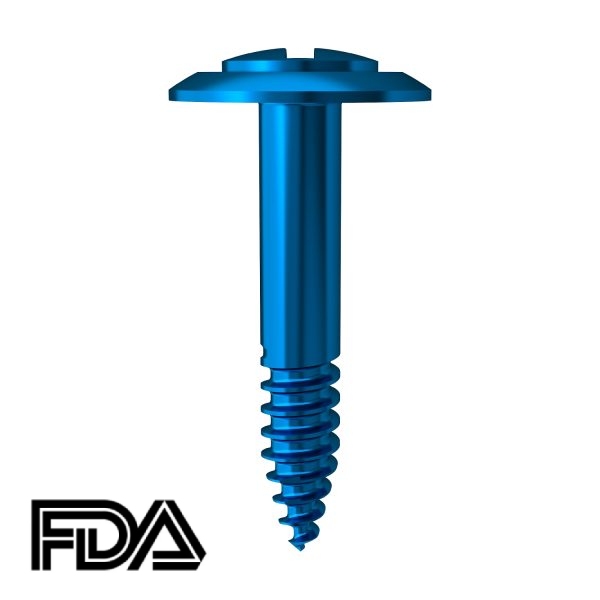
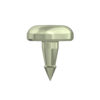
In the context of bone regeneration, particularly in procedures aiming at augmenting the alveolar ridge, tenting screws play an indispensable role. These screws are a key component of our Guided Bone Regeneration (GBR) Kit, specifically designed for tenting applications. Their use is critical in maintaining space for bone graft material, thereby facilitating effective bone regeneration.
When addressing significant vertical defects in the maxillary and mandibular alveolar ridges, clinicians often encounter substantial challenges. The tenting technique is particularly valuable in these scenarios. It involves the strategic placement of particulate allografts or block grafts, supported by specialized titanium tenting screws. This configuration is reminiscent of a tent’s structure, where the screws help maintain the desired spatial arrangement, promoting vertical bone growth. The ultimate goal of this technique is to enhance the vertical dimension of the alveolar ridge effectively, thus creating a more favorable environment for subsequent implant placement. This methodical preparation significantly improves the outcomes of dental implant surgeries.
Specifications
| Specification | Details |
|---|---|
| Product Type | GBR Tenting Screw / Space-Maintaining Screw |
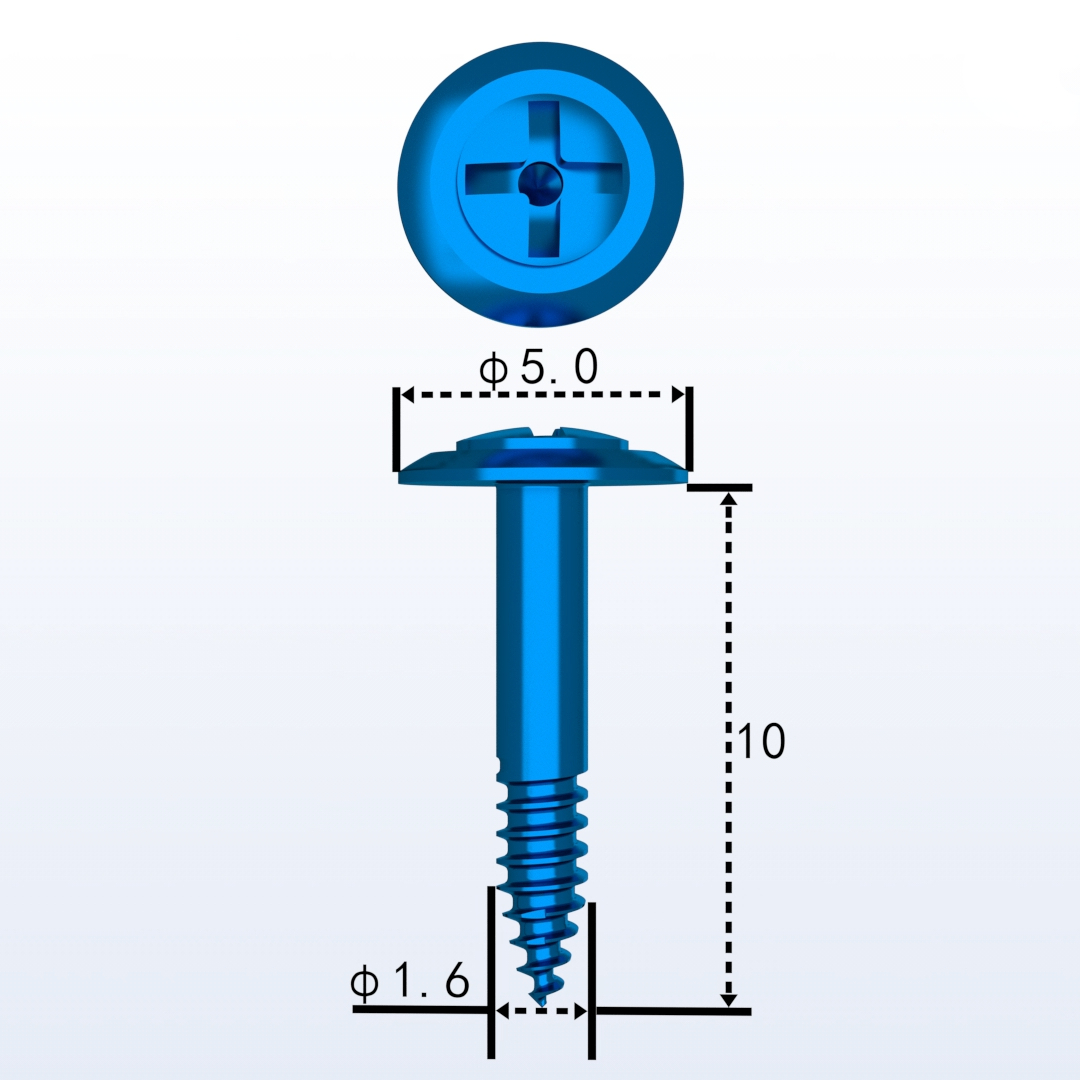
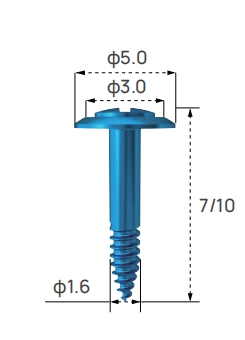
| Screw Head Diameter | Ø5.0 mm |
| Central Head Platform | Ø3.0 mm |
| Screw Body Diameter | Ø1.6 mm |
| Available Lengths | 7 mm / 10 mm |
| Pack Size | 5 pieces/pack |
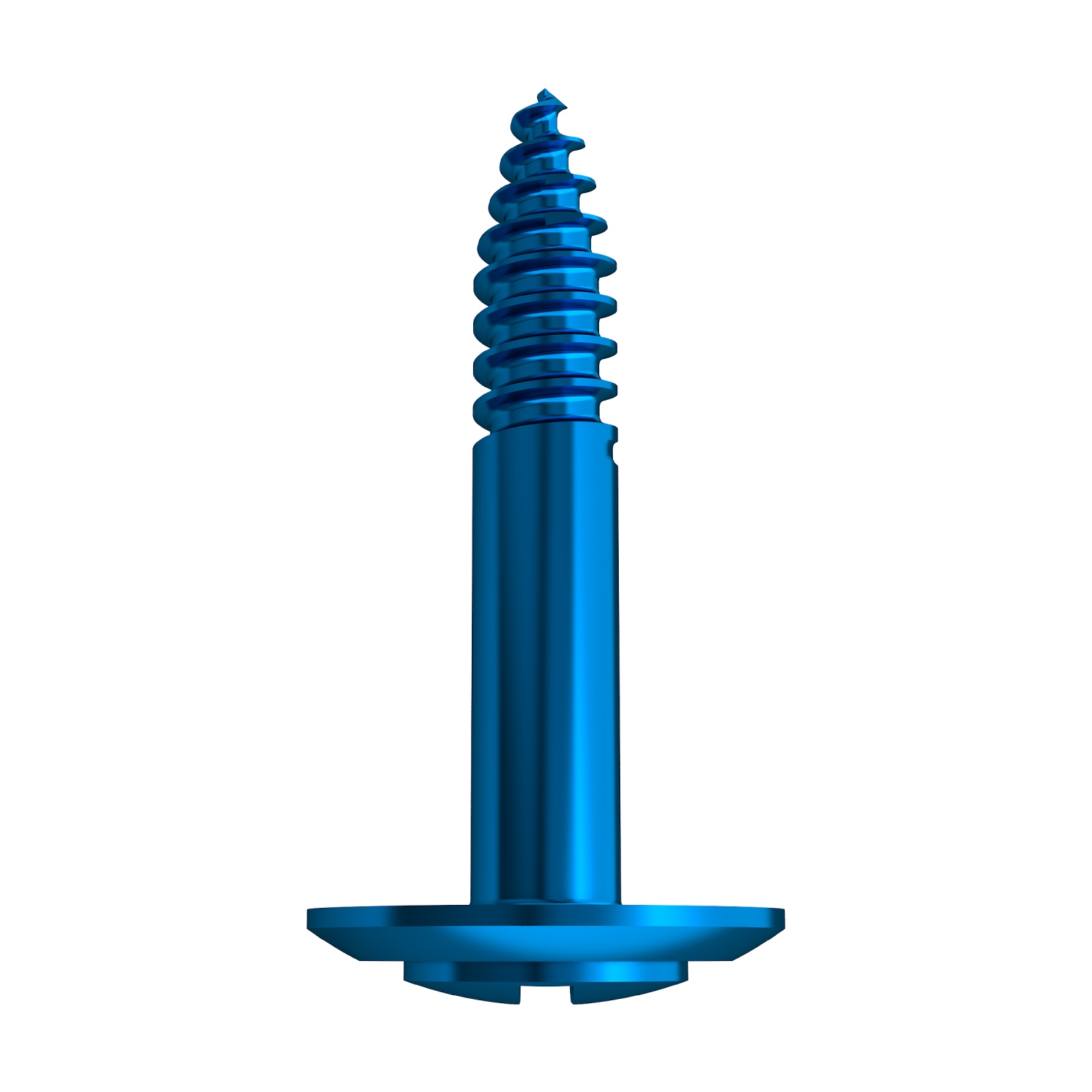
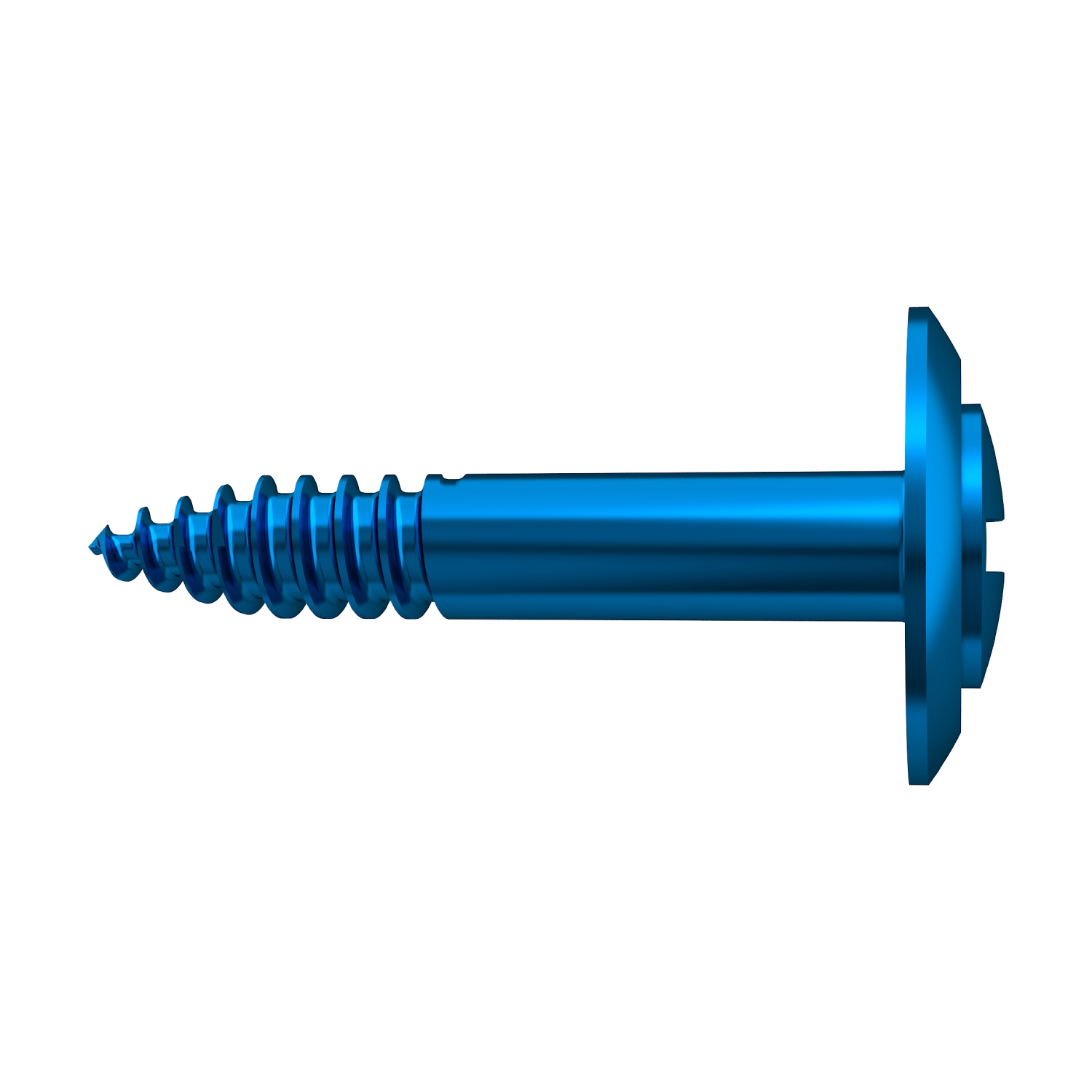
| Design | Wide head, smooth shank, apical threaded fixation |
| Application | Vertical GBR, horizontal GBR, ridge augmentation, bone graft space maintenance |
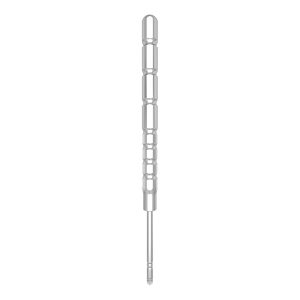
| Recommended Use | Pre-drilling with matching limit drill before placement |
| Compatible Instruments | Matching cross-slot tenting screwdriver or hand driver |
Why choose a tent screw to regain bone?
Tenting screws are designed to help regain bone volume by creating and maintaining a stable regenerative space during GBR procedures. By supporting the barrier membrane and soft tissue, they help prevent collapse and provide sufficient space for bone graft material and new bone formation.
- Large-Diameter Screw Head for Wider Space Support
The enlarged screw head provides a broader support area, helping to stably elevate the barrier membrane and overlying soft tissue. This design helps maintain the space required for predictable bone augmentation. - Long Smooth-Shank Design to Reduce Tissue Interference
The extended smooth-shank structure helps create a stable “tenting effect” while minimizing unnecessary tissue interference. It provides sufficient space for bone graft placement and supports the bone regeneration process. - Apical Thread Fixation for Stable Placement
The apical threaded design enhances initial fixation stability in the host bone. Available in 7 mm and 10 mm lengths, the screws can be selected according to different defect heights and clinical bone augmentation needs.
Which Length Should I Choose?
- 7 mm Tenting Screw
Recommended for moderate horizontal ridge defects, limited vertical augmentation space, and cases where a lower tenting height is preferred. - 10 mm Tenting Screw
Recommended for deeper vertical or combined vertical-horizontal defects where greater regenerative space is required.
Clinical Tip:
Select the screw length according to the planned augmentation height, soft tissue thickness, membrane type, and available host bone for apical fixation.
Clinical Applications
- Vertical ridge augmentation
- Horizontal ridge augmentation
- Localized alveolar ridge defects
- GBR before implant placement
- Membrane support and space maintenance
- Bone graft stabilization under resorbable or non-resorbable membranes



Reviews
There are no reviews yet