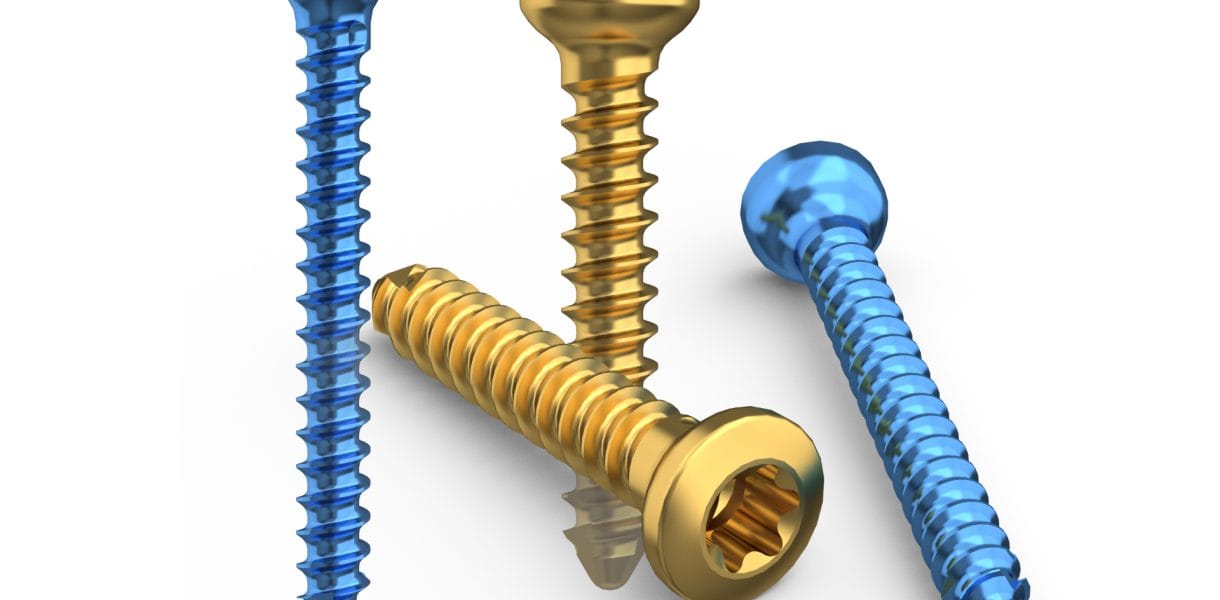
In modern dental implantology, insufficient bone volume is one of the most challenging problems clinicians commonly face during preoperative evaluation. To ensure the long-term stability of implants and the final esthetic outcome, guided bone regeneration (GBR) has become one of the most essential and frequently used bone augmentation solutions in implant dentistry. Through GBR, clinicians can rebuild ideal bone height and width in severely resorbed alveolar ridges.
However, a successful GBR procedure is never as simple as merely placing bone graft material into the defect. Extensive clinical data and practical experience show that the final success of GBR depends not only on the osteogenic potential of the bone graft material itself, but more importantly on three core factors: absolute graft stability, firm membrane fixation, and effective space maintenance. During the healing period, even minor displacement or soft tissue collapse may directly lead to failure of new bone formation.
It is under these demanding mechanical requirements that bone screws play an irreplaceable role in modern GBR surgery. Whether used as “tenting screws” in the tent-pole technique to support the regenerative space, or to firmly secure non-resorbable titanium mesh and collagen membranes, bone screws provide strong mechanical support for bone regeneration.
To help clinicians better understand this critical tool, this article provides a systematic and in-depth explanation. In the following sections, we will discuss in detail:
- Core types and clinical indications of bone screws
- Standardized surgical application methods and techniques
- Key differences between bone screws and bone tacks
- How to evaluate and choose the most suitable GBR screw kit for your clinical needs
Ready to take a closer look at this “stabilizing anchor” in GBR surgery? Let’s begin.
What Are Bone Screws in Dental GBR?
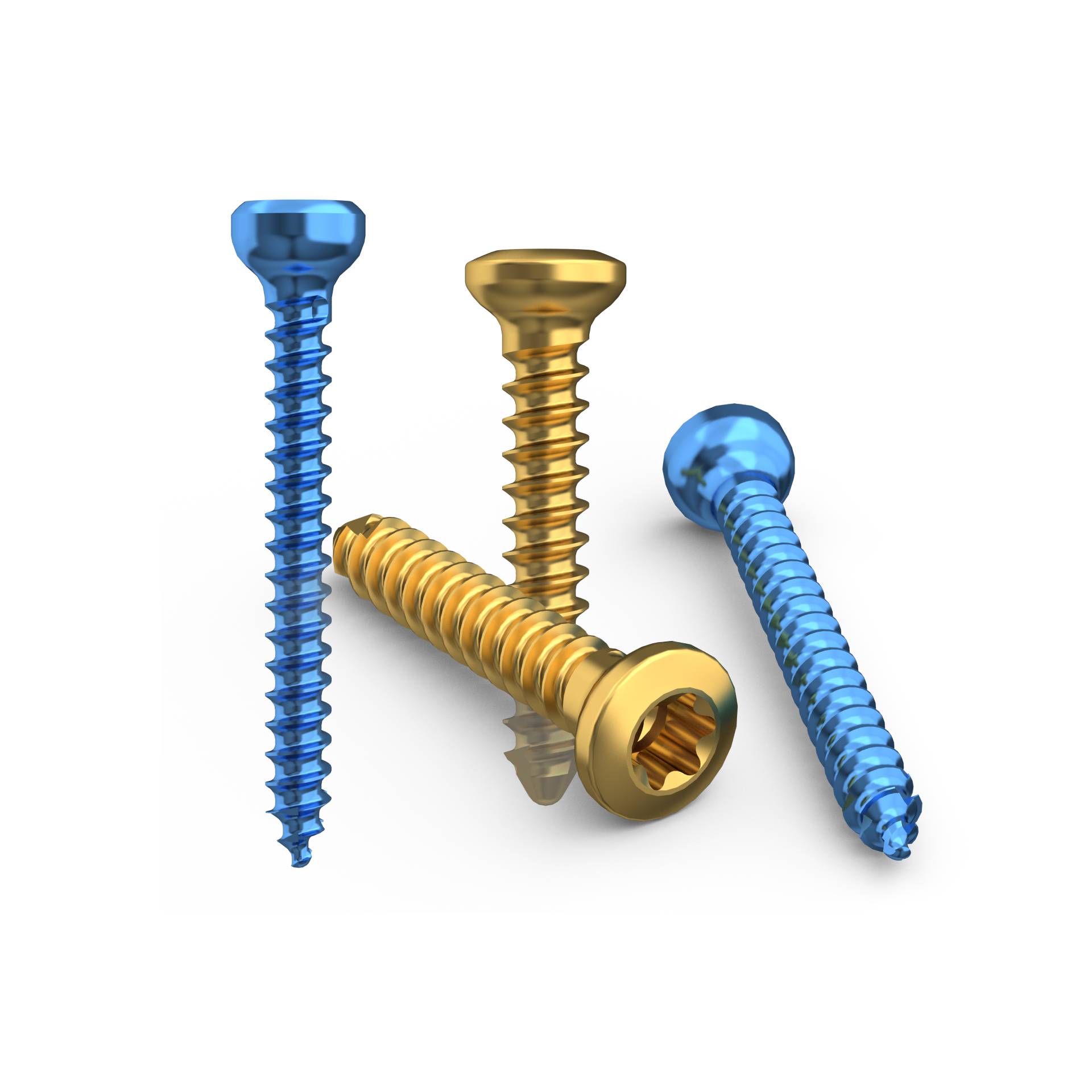
In dental implantology and bone augmentation surgery, bone screws are specially designed miniature fixation screws. It is important to clarify that they are not the large screws used in general orthopedic or surgical procedures. Instead, they are precision micro-devices specifically developed for the complex anatomy of the oral alveolar ridge and implant-related bone augmentation procedures.
In guided bone regeneration, these GBR bone screws primarily function as mechanical support tools. Their main clinical applications include fixing biological barrier membranes, stabilizing non-resorbable titanium mesh, supporting the regenerative space for bone graft material, and firmly securing bone blocks in block bone grafting procedures.
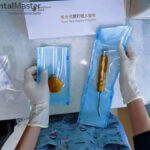
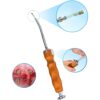
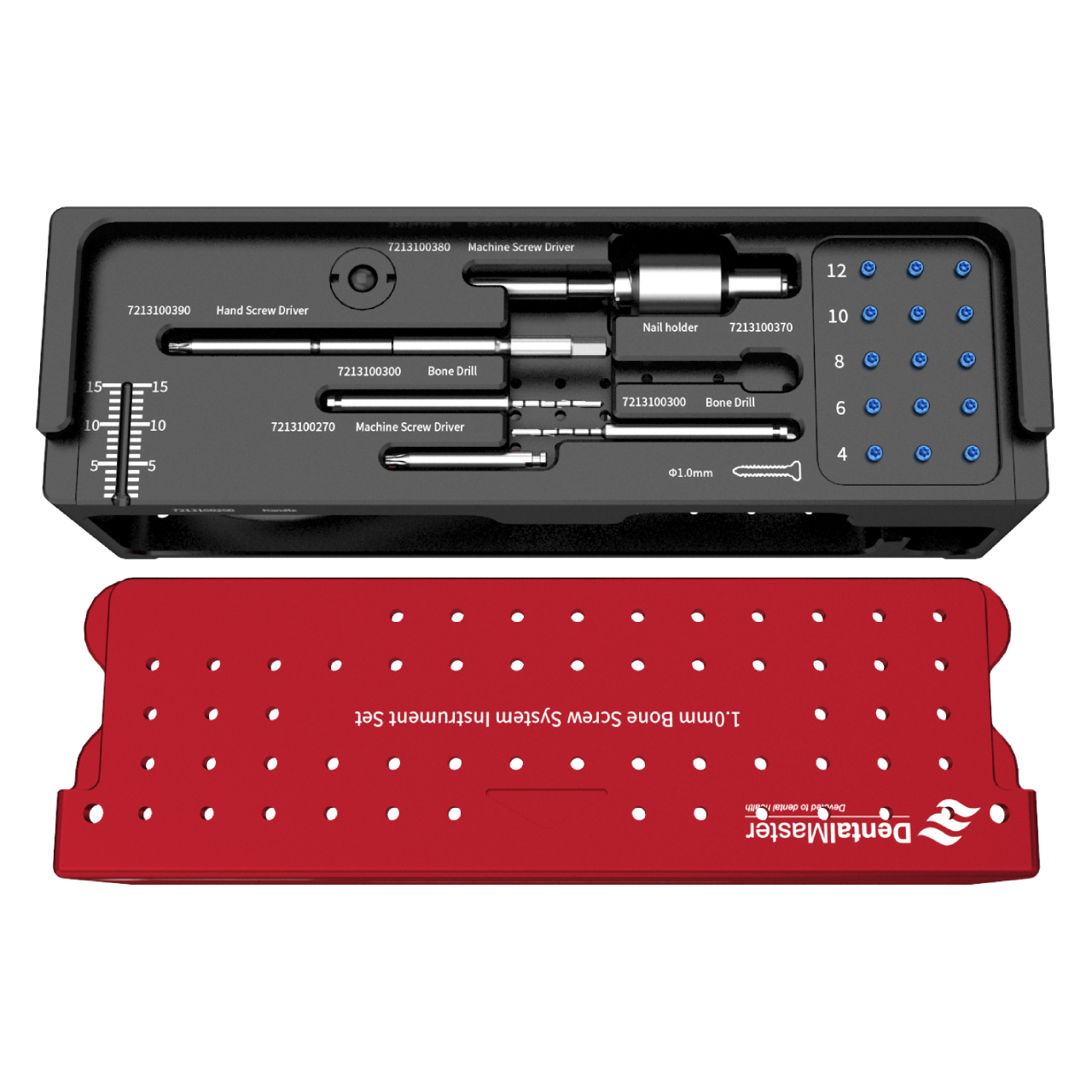
From a clinical product perspective, choosing the right tools can significantly improve surgical efficiency. A professional bone fixation screws dental system, also known as a GBR bone screw kit, typically includes screws of different lengths and diameters, dedicated screwdrivers, pilot drills, manual handles, and a specialized autoclavable sterilization box. For clinicians, using such a complete kit is far more efficient than purchasing individual screws and instruments separately. It can greatly reduce instrument switching time during surgery and ensure that guided bone regeneration screws can be placed accurately and stably.
Why Bone Screws Matter in Guided Bone Regeneration
The final success of guided bone regeneration (GBR) highly depends on the biological conditions of the local microenvironment. More specifically, predictable bone formation requires several key elements:
- Stable blood clot formation
- Protected graft area
- Absolute membrane stability
- Effective space maintenance
- Tension-free primary closure
However, in real clinical practice, clinicians often encounter many challenging problems. For example, when dealing with non-contained bone defects, the regenerative space can easily collapse due to the lack of natural bony wall support. At the same time, once the bone graft material is placed, it can easily be compressed and displaced by soft tissues such as the buccal muscle or mucoperiosteal flap. If the barrier membrane is simply placed over the graft without effective fixation, even slight movement of the membrane or titanium mesh during the healing phase may cause graft instability, thereby affecting the quality and quantity of newly formed bone.
This is exactly where the core value of GBR bone screws lies. They provide controllable and highly stable mechanical support for the surgical site. Clinical studies and expert opinions generally suggest that tenting screws can act like tent poles to support the barrier membrane, prevent collapse of the graft site caused by external pressure, and allow the entire bone regeneration process to take place within a highly predictable and stable enclosed space.
Three Main Applications of Bone Screws in Dental GBR Surgery
In clinical GBR procedures, the application of bone screws is mainly concentrated in the following three core areas:
1. Membrane Fixation
In large-scale GBR procedures, unstable membrane margins or excessive soft tissue tension are common causes of surgical failure. In such cases, membrane fixation screws can be used to firmly secure collagen membranes, PTFE membranes, or titanium mesh. The core purpose is to greatly reduce or completely eliminate any micromovement of the membrane during the several-month healing period, thereby ensuring GBR membrane stability.
Although the purpose of dental membrane fixation in this application is similar to that of bone tacks, the mechanical principle of screw fixation is different. Screws form mechanical engagement with the jawbone through their threads and usually provide stronger retention and pull-out resistance than traditional tacks, especially in areas with harder bone or higher soft tissue tension.
Product integration angle: Some advanced professional systems currently available on the market integrate membrane fixation screws, tenting screws, and standard bone fixation screws into one surgical tray. This type of integrated design fully demonstrates the strong clinical demand for multifunctional GBR fixation systems.
2. Space Maintenance with Tenting Screws
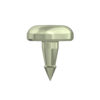
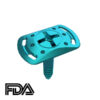
Dental tenting screws are an extremely important type of bone screw in GBR surgery. As the name suggests, they work like “tent poles,” lifting the barrier membrane and overlying soft tissue to maintain an ideal regenerative space for the underlying bone graft material and bone-forming cells. This technique is widely used in horizontal bone augmentation, vertical bone augmentation, and reconstruction of non-contained bone defects.
In actual clinical procedures, the standard steps for using tenting screws in GBR are as follows:
- First, accurately position and place tenting screws of appropriate height in the bone defect area.
- Then, tightly place the bone graft material around the screws.
- Finally, cover the area with a biological barrier membrane, using the screw heads to support the membrane and prevent it from collapsing under soft tissue pressure.
In clinical practice, dentists need to flexibly select the appropriate screw length according to the expected bone augmentation height. It is especially important to note that in vertical bone augmentation procedures using vertical bone augmentation screws, soft tissue closure tension increases significantly. If the soft tissue flap is not sufficiently released, is too thin, or carries excessive tension, the postoperative risk of screw exposure or membrane exposure can increase. Therefore, the height and position of the screw heads directly influence the final esthetic contour of the regenerated bone.
3. Bone Block Fixation
For larger and more severe bone defects, or cases requiring stronger structural support, clinicians often choose autogenous bone block or cortical bone block grafting. In this type of procedure, any instability or micromovement can directly interfere with revascularization and osseointegration of the bone block, eventually leading to graft resorption or even necrosis.
Therefore, the core function of bone block fixation screws is to provide high initial stability. When choosing implant bone graft fixation screws, clinicians must carefully select the screw diameter and length according to the thickness of the bone block, local mechanical requirements, and the density of the recipient bone.
Product integration angle: For different bone blocks and bone conditions, professional systems usually offer multiple diameter options. For example:
- 1.0 mm system: Highly suitable for thin bone plates, delicate fixation, or areas with extremely limited anatomical space, helping to minimize the risk of splitting thin bone blocks.
- 1.3mm system: Suitable for providing stronger mechanical retention, fixing larger bone blocks, or playing a key role in complex autogenous bone block fixation cases that require greater mechanical stability.
Bone Screws vs Bone Tacks: What Is the Difference?
When choosing GBR fixation tools, many clinicians often confuse bone screws with bone tacks. Although both are used in bone augmentation procedures, their clinical focus and mechanical characteristics are fundamentally different. In general, bone tacks have a simpler structure and are mainly used for basic membrane fixation. Compared with bone tacks, bone screws have much broader applications and can be used for membrane fixation, space maintenance through tenting, and bone block fixation. In addition, during postoperative removal, bone screws can usually be removed in a very controlled and gentle manner by reverse rotation with a screwdriver, while removal of bone tacks may sometimes be more forceful.
To help clinicians make scientific choices based on different cases, the key differences are summarized below:
| Factor | Bone Screws | Bone Tacks |
|---|---|---|
| Main Use | Membrane fixation, space maintenance through tenting, bone block fixation | Mainly used for edge fixation of barrier membranes |
| Stability | Very strong, relying on threaded mechanical engagement with bone tissue | Fast fixation, relying on frictional retention |
| Removal | Usually easier; can be unscrewed in reverse with less trauma to the bone | Requires a dedicated tack remover and may sometimes be more difficult |
| Space Maintenance | Excellent; dedicated tenting designs can provide vertical support | Extremely limited; cannot provide vertical support space |
| Best Indications | Complex GBR, bone block grafting, horizontal and vertical bone augmentation | Simple membrane fixation with existing bony wall support |
In actual clinical practice, dentists should not simply judge whether dental bone tacks or screws are better. Instead, the choice should be made according to the geometry of the bone defect and the complexity of the procedure.
When Should Dentists Use Bone Screws in GBR?
When evaluating a guided bone regeneration technique, clearly defining the indications and non-indications for bone screws is the first step toward surgical success.
Common clinical scenarios suitable for bone screw use:
- Horizontal ridge augmentation: The ridge is too thin and needs to be widened.
- Vertical bone augmentation: Bone height is severely insufficient, and the downward pressure from the overlying soft tissue must be resisted.
- Non-contained bone defects: There is a lack of natural bony wall support, and bone graft material can easily be displaced.
- Large-scale bone contour reconstruction: Especially in the anterior esthetic zone, where ideal ridge augmentation and bone fullness are required.
- Cases where barrier membranes or non-resorbable titanium mesh require high initial stability.
- Bone graft stabilization during block bone grafting.
Situations where bone screws may not be necessary:
- Small-scale socket preservation: The socket walls are relatively intact.
- Three-wall or four-wall bone defects: The existing bony walls already form a natural “container” and provide sufficient space support.
- Simple mild bone defects: Bone graft placement and standard collagen membrane coverage may be sufficient for stability.
- Poor soft tissue conditions: When the clinician determines that the mechanical benefit of placing screws is far less than the risk of visible wound dehiscence and infection caused by excessive soft tissue tension.
How Bone Screws Are Used During a GBR Procedure
In actual dental GBR surgery, standardized and systematic surgical procedures are essential for avoiding complications and improving the quality of new bone formation. The following is a clinical application workflow:
1. Case Evaluation
Before surgery, CBCT is used to accurately evaluate the type of bone defect, existing bone width and height, and the final target implant position. Based on this assessment, the clinician can determine which type of support is needed during surgery: simple membrane fixation, tenting support, or structural bone block fixation.
2. Flap Design and Site Preparation
A proper incision is designed, and a full-thickness flap is elevated to fully expose the bone defect area while protecting the blood supply. Residual soft tissue on the bone surface is removed to expose healthy bone. When necessary, decortication or bleeding points are created in the cortical bone to promote the release of osteogenic cells and growth factors from the cancellous bone.
3. Pilot Drilling
According to the diameter required for dental bone screw placement, a matching dedicated pilot drill is selected. During surgery, the drilling depth and angle must be strictly controlled, and both hands must remain stable. It is essential to avoid damaging adjacent tooth roots, the inferior alveolar nerve, the maxillary sinus, or other important anatomical structures.
4. Screw Placement
The screw of the selected length is attached to the screwdriver. Clinically, it can be slowly inserted using a fully manual approach, or it can be placed using an implant motor. Regardless of the method used, the screw must finally engage firmly with the bone tissue. However, excessive pressure must be avoided to prevent local bone necrosis or thread stripping.
5. Bone Graft Placement
After tenting screws have been placed to establish the target bone contour, bone graft material, autogenous bone chips, or mixed graft material is tightly packed into the defect area and around the screws.
6. Membrane Coverage and Fixation
The collagen membrane, PTFE membrane, or titanium mesh is accurately trimmed and placed over the bone graft material. Dedicated GBR screw fixation screws or tacks are used to firmly secure the membrane margins to the basal bone, ensuring close adaptation between the membrane and the bone.
7. Primary Closure
Adequate periosteal release is performed on the mucoperiosteal flap. Through delicate and tight suturing, the soft tissue flap is closed under completely tension-free conditions, thereby minimizing the potential risk of postoperative membrane exposure and bone screw exposure.
8. Healing and Screw Removal
After several months of barrier healing, these non-resorbable bone screws are usually removed during implant placement or second-stage surgery, according to the clinician’s overall treatment plan.
How to Choose the Right Bone Screws for GBR
Faced with the wide variety of bone screw products on the market, how should clinicians choose the most suitable instruments? The decision can be systematically evaluated from the following five technical dimensions:
Screw Diameter
The diameter of the screw directly determines its shear resistance and retention force. Smaller diameters, such as 1.0mm, are more suitable for delicate fixation in thin bone plates or narrow alveolar ridges. Larger diameters, such as 1.3mm, are suitable for cases requiring stronger mechanical stability, such as extensive GBR or anti-rotational fixation of large bone blocks.
Screw Length
The choice of length should strike a balance between anatomical safety distance and stable fixation. Short screws, such as 3mm to 4mm, are suitable for simple membrane fixation and areas with thin cortical bone. Longer screws, such as 6mm to 8mm or above, are more suitable for tenting support and for providing sufficient vertical space height in large bone defects.
Driver Design
The engagement between the screwdriver and the screw head is critical. Traditional cross-slot or flat-slot designs can easily slip during posterior operation. Modern Torx-style engagement provides excellent holding ability. Even in posterior regions with limited visibility or deep surgical areas, it can hold the screw firmly and prevent accidental dropping or slipping.
Manual and Powered Placement
An excellent system should support both manual and powered placement. Manual mode is suitable for providing highly delicate torque feedback control when the clinician performs the final tightening of the screw. Powered placement can significantly shorten the time required for drilling and screw insertion. A kit that fully supports both manual and powered placement is better suited to complex clinical scenarios.
Sterilization and Organization
A highly integrated instrument box design is essential for surgical tray management. A clearly organized and well-labeled sterilization box allows both assistants and clinicians to quickly identify the corresponding drill, long and short screwdriver handles, and screws of different specifications during surgery, greatly reducing confusion caused by instrument switching.
For clinicians who perform GBR regularly, a complete bone screw kit can simplify the workflow. A system that includes manual and powered screwdrivers, long and short drivers, a pilot drill, multiple screw sizes, and a sterilization box allows dentists to manage membrane fixation, tenting support, and bone block fixation with fewer instruments on the surgical tray.
Common Mistakes When Using Bone Screws in GBR
Although bone screws can provide significant technical advantages in GBR surgery, improper use may have the opposite effect. The following are some typical clinical mistakes:
Improper screw position design: The screw position does not accurately match the future implant site, causing the supported bone contour to fail to meet the esthetic requirements of the final restoration.
Choosing screws that are too short: The screws fail to engage effectively with the stable basal bone underneath, loosen during healing, and result in insufficient stability.
Choosing screws that are too long or placing them in the wrong direction: Blindly pursuing longer screw length increases the anatomical risk of damaging adjacent tooth roots, the inferior alveolar nerve, or penetrating the maxillary sinus.
Insufficient soft tissue release: Forced closure under tension may cause the mucosa to split during healing, resulting in extensive screw and membrane exposure.
Over-compressing the bone graft material: Excessive force during graft placement may compress and reduce the regenerative space originally supported by the screws, affecting microvascular ingrowth.
Ignoring the removal plan: The number of bone screws is not explained to the patient before surgery or clearly documented in the electronic medical record, leading to possible omission during second-stage surgery.
Clinical experience summary: In GBR surgery, placing more bone screws does not necessarily mean better results. The core principle is to use the minimum necessary instruments to build the most stable and controllable regenerative space according to the geometry of the bone defect. For less experienced clinicians, making full use of preoperative CBCT for 3D digital planning and screw position design is key to successfully advancing toward more complex procedures.
Clinical Benefits of Using Bone Screws in GBR
Scientifically and carefully introducing bone screws into GBR surgery can provide many significant biomechanical and esthetic benefits:
Significantly improved initial mechanical stability of the membrane-graft complex: Helps eliminate micromovement.
Excellent space maintenance ability: Helps clinicians achieve predictable horizontal or vertical bone augmentation in highly challenging cases.
Greatly improved control over the final bone contour: Allows the regenerated bone shape to better match the prosthetic axis.
Strong support for reconstruction of complex bone defects: Expands the clinical indications for implant surgery.
Helps ensure that the implant can obtain more ideal and long-term three-dimensional bone support later.
Scientific statement: It should be emphasized that although bone screws offer many advantages, medically they cannot “guarantee” 100% surgical success. In clinical descriptions, it is more appropriate to state that they “may improve stability” or “can help support predictable GBR outcomes.” This is because the final success of bone regeneration still highly depends on case selection, precise soft tissue management, choice of graft material, and the clinician’s technical experience.
Are Bone Screws Removed After GBR?
Many young clinicians and patients often ask: are dental bone screws removed? The answer is yes. Most non-resorbable pure titanium or titanium alloy bone screws used in dental GBR need to be surgically removed after the bone healing cycle is complete.
The specific timing of GBR screw removal mainly depends on the type of bone augmentation, the local healing period, and the overall implant treatment plan. In most routine cases, clinicians choose to remove these dental bone graft screws during implant placement or second-stage surgery by simply unscrewing them in reverse.
Because different materials and systems on the market may have slightly different thread designs and removal protocols, clinicians should strictly follow the manufacturer’s official instructions in actual practice and combine them with their own clinical judgment of the bone integration status.
Choosing a Bone Screw Kit for Dental GBR Procedures
A craftsman must sharpen his tools before doing his work. A bone screw kit that truly meets the needs of modern high-end clinics and clinicians should have the following essential features:
Multiple screw specifications with both short and long lengths to perfectly adapt to different types of bone defects.
Strong multifunctionality, allowing one instrument system to handle membrane fixation, tenting support, and bone block fixation.
Support for both manual placement and powered placement with an implant motor, offering high flexibility.
Long and short screwdrivers or drivers to easily manage limited visibility in the anterior region, posterior region, and deep narrow surgical areas.
High-engagement anti-slip driver design, such as a Torx-style design, to prevent slipping during surgery.
Single pilot drill design: One pilot drill can be used to pre-drill for multiple screw specifications, avoiding the trouble of frequent drill switching.
A user-friendly, clearly labeled autoclavable sterilization box for infection control and instrument management in the clinic.
CE and ISO certification, fully meeting the strict procurement compliance standards of international professional clinics and hospitals.
The Bone Fixation Screws Kit is designed for GBR, bone block fixation, and dental bone augmentation procedures. Available in 1.0mm and 1.3mm systems, it supports both manual and powered placement, includes long and short screwdrivers, and uses one pilot drill for all screw sizes to simplify the surgical workflow.
Choosing such a highly systematic professional kit can bring a major improvement to your clinical practice:
- More complete: One box can easily cover all GBR scenarios, from simple membrane fixation to complex vertical bone augmentation.
- More cost-effective: No need to separately purchase various disorganized third-party tools and accessories; the complete configuration offers excellent value.
- More efficient: With its unique “one drill fits all” design, it greatly reduces the complexity of instrument switching during surgery and significantly shortens the patient’s drilling preparation time.
- More flexible: Short and long screws combined with short and long drivers perfectly adapt to various challenging intraoral anatomical locations.
Conclusion
In summary, bone screws demonstrate irreplaceable core biomechanical value in modern guided bone regeneration (GBR), mainly in the following three dimensions:
- Fixation: Securely locks the membrane and titanium mesh, eliminating micromovement.
- Space maintenance: Acts like a tent to resist soft tissue pressure and create valuable regenerative space.
- Structural support: Provides strong anti-rotational initial stability for structural block bone grafts.
Although they are not mandatory in every simple extraction socket case, they are undoubtedly a decisive “stabilizing anchor” when dealing with complex bone defects, severe horizontal or vertical bone augmentation, and block bone grafting. Clinicians should scientifically select the appropriate screw system according to the patient’s specific bone defect morphology, soft tissue tension conditions, and final clinical esthetic goals.
For clinicians looking for a complete solution for GBR screw fixation, a dedicated Bone Fixation Screws Kit can help streamline surgical preparation and provide flexible options for membrane fixation, tenting, and bone block stabilization.
FAQ
FAQ 1: What are bone screws used for in dental GBR?
Answer: In dental guided bone regeneration (GBR), bone screws are specialized mechanical support tools used to stabilize collagen or PTFE membranes, fix non-resorbable titanium mesh, maintain the essential bone graft space through the tenting technique, or securely lock autogenous or cortical bone blocks onto the recipient site to prevent micromovement during the healing phase.
FAQ 2: What is the difference between bone screws and tenting screws?
Answer: “Bone screws” is a broad umbrella term that includes all types of fixation screws used in bone augmentation, including membrane fixation screws and bone block screws. “Tenting screws,” on the other hand, are a specific subtype of bone screw designed with a prominent head to act like a tent pole, specifically intended to create and maintain space beneath the membrane for predictable bone graft volume.
FAQ 3: Are bone screws the same as bone tacks?
Answer: No, they are fundamentally different in their mechanical mechanism. Bone tacks are friction-fit pins driven into the bone, primarily used for quick and simple membrane fixation. Bone screws utilize threaded mechanical engagement, which provides significantly higher pull-out resistance, and are multifunctional—suitable for membrane fixation, tenting support, and rigid bone block stabilization.
FAQ 4: Do dental bone screws need to be removed?
Answer: Yes, since most dental bone screws are made of non-resorbable titanium or titanium alloy, they are typically removed after the bone has successfully regenerated. This removal is generally a quick and straightforward process performed during subsequent implant placement or second-stage surgery.
FAQ 5: When should dentists use tenting screws in GBR?
Answer: Dentists should ideally use tenting screws in complex GBR cases involving non-contained bone defects, which lack natural supportive bony walls, severe horizontal ridge atrophy, or vertical bone augmentation scenarios where the overlying soft tissue tension would otherwise collapse the bone graft material.
FAQ 6: What size bone screw is best for GBR?
Answer: The optimal size depends entirely on the clinical presentation and bone thickness. Smaller diameters, such as a 1.0mm system, are highly preferred for thin bone plates, narrow ridges, or delicate membrane fixation to minimize bone splitting. Larger diameters, such as a 1.3mm system, are better suited for providing robust mechanical stability during heavy bone block fixation or extensive, large-volume GBR procedures.
FAQ 7: Can bone screws be used with titanium mesh?
Answer: Yes, absolutely. Bone screws are extensively used in conjunction with titanium mesh or rigid customized titanium plates. They provide the necessary rigid fixation to secure the mesh perimeter tightly against the basal bone, ensuring the membrane-graft complex remains fully stabilized in extensive ridge reconstructions.
FAQ 8: Do bone screws improve GBR results?
Answer: Bone screws can significantly improve mechanical stability and space maintenance, which are critical biological prerequisites for successful GBR outcomes. However, they do not guarantee success alone; the final clinical result still heavily depends on proper case selection, meticulous surgical technique, appropriate choice of graft materials, expert soft tissue management, and the patient’s individual healing conditions.