
Description
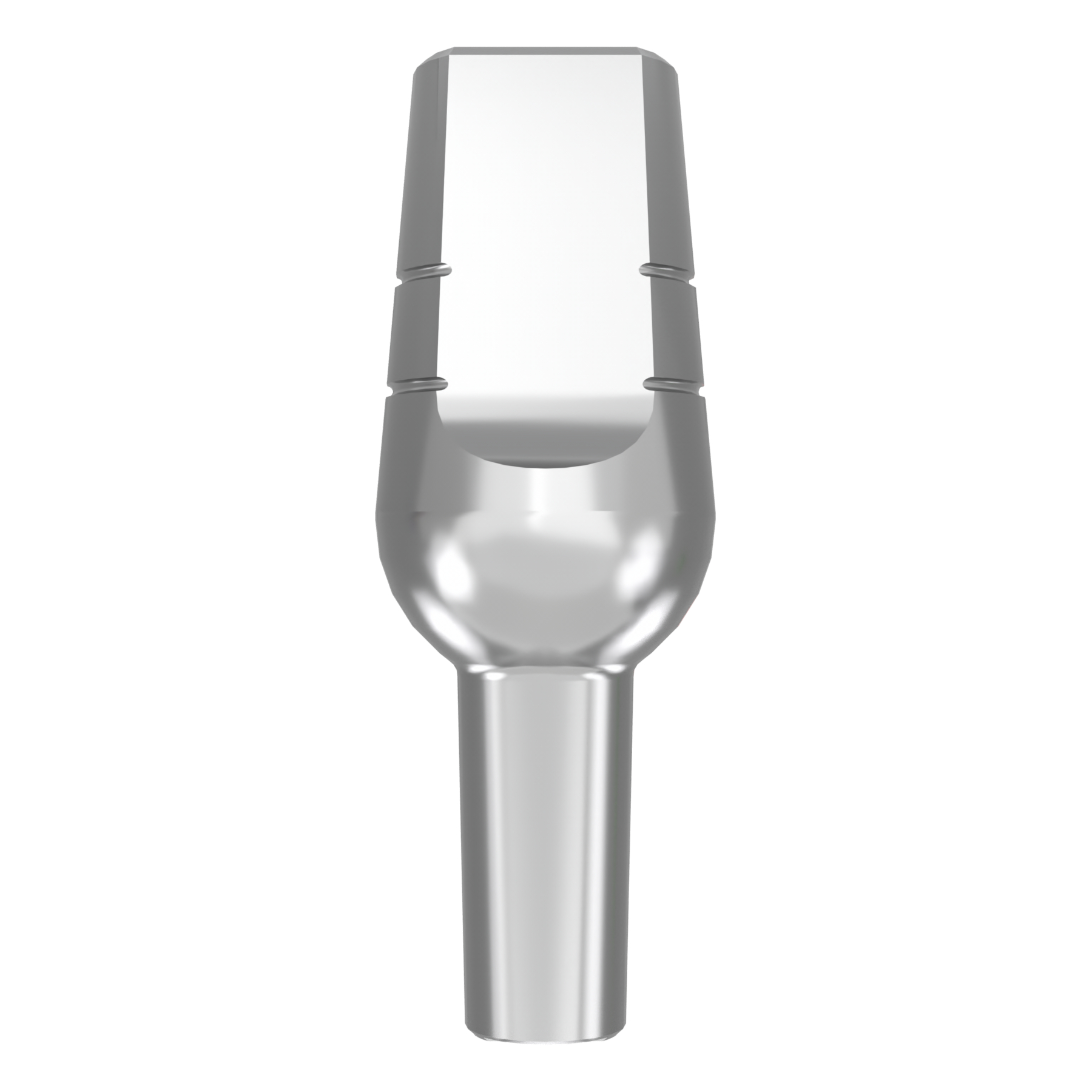
Bicon 0° Non-Shouldered Abutment Compatible features a smooth shoulderless design that supports natural soft tissue contours, improved esthetics, and long-term restorative stability.
Features
- 0° Non-Shouldered Design
Provides a continuous transition without a pronounced abutment shoulder. - Smooth Bone-to-Restoration Profile
Creates a gradual emergence pathway from the implant platform to the final restoration. - Supports Natural Soft Tissue Contours
Encourages favorable soft tissue adaptation around the restorative interface. - Optimized for Esthetic Cases
Particularly beneficial in anterior restorations where gingival architecture is critical. - No Custom Abutment Required
Can be used directly in many routine implant restoration cases without the need for individualized abutment fabrication. - Bicon-Compatible Connection
Engineered for compatibility with Bicon-compatible implant systems.

Product Benefits
- Improve Esthetic Outcomes
Supports natural-looking gingival contours and emergence profiles. - Reduce Soft Tissue Irritation
The shoulderless design helps minimize mechanical pressure on peri-implant soft tissues. - Simplify Restorative Workflows
Eliminates the need for custom abutments in many standard restorative indications. - Support Long-Term Tissue Stability
Promotes stable soft tissue attachment around the restoration. - Reliable Force Transmission
Designed to facilitate effective occlusal load transfer from the restoration to the implant.
Why Can Traditional Abutment Shoulders Compromise Soft Tissue Esthetics?
Conventional implant abutments often feature a defined shoulder that may create abrupt transitions between the implant, soft tissue, and restoration.
In esthetic and subcrestal implant cases, this can contribute to:
- Soft tissue irritation
- Less predictable gingival adaptation
- Compromised emergence profiles
- Increased plaque-retentive areas
- Reduced esthetic outcomes in the anterior region
Clinicians increasingly seek restorative components that support natural soft tissue integration while maintaining long-term prosthetic stability.
Specifications
2.0mm Well Details:
| Diameter(ball) | Bone Penetration Height |
| 4.0mm | 0.5mm |
| 4.0mm | 1mm |
| 4.0mm | 2mm |
| 4.0mm | 3mm |
| 4.0mm | 4mm |
| 4.0mm | 5mm |
| 5.0mm | 0.5mm |
| 5.0mm | 1mm |
| 5.0mm | 2mm |
| 5.0mm | 3mm |
| 5.0mm | 4mm |
| 5.0mm | 3mm |
2.5mm Well Details:
| Diameter(ball) | Bone Penetration Height |
| 4.0mm | 0.5mm |
| 4.0mm | 1mm |
| 4.0mm | 2mm |
| 4.0mm | 3mm |
| 4.0mm | 4mm |
| 4.0mm | 5mm |
| 5.0mm | 0.5mm |
| 5.0mm | 1mm |
| 5.0mm | 2mm |
| 5.0mm | 3mm |
| 5.0mm | 4mm |
| 5.0mm | 5mm |
3.0mm Well Details:
| Diameter(ball) | Bone Penetration Height |
| 5.0mm | 0.5mm |
| 5.0mm | 1mm |
| 5.0mm | 2mm |
| 5.0mm | 3mm |
| 5.0mm | 4mm |
| 5.0mm | 5mm |
| 6.5mm | 0.5mm |
| 6.5mm | 1mm |
| 6.5mm | 2mm |
| 6.5mm | 3mm |
| 6.5mm | 4mm |
| 6.5mm | 5mm |
Indications
Recommended for:
- Routine Implant Restorations
- Anterior Esthetic Cases
- Posterior Implant Restorations
- Subcrestal Implant Placement
- Cement-Retained Restorations
- Single-Tooth Implant Restorations
- Cases Requiring Favorable Soft Tissue Contours


Reviews
There are no reviews yet