

Description
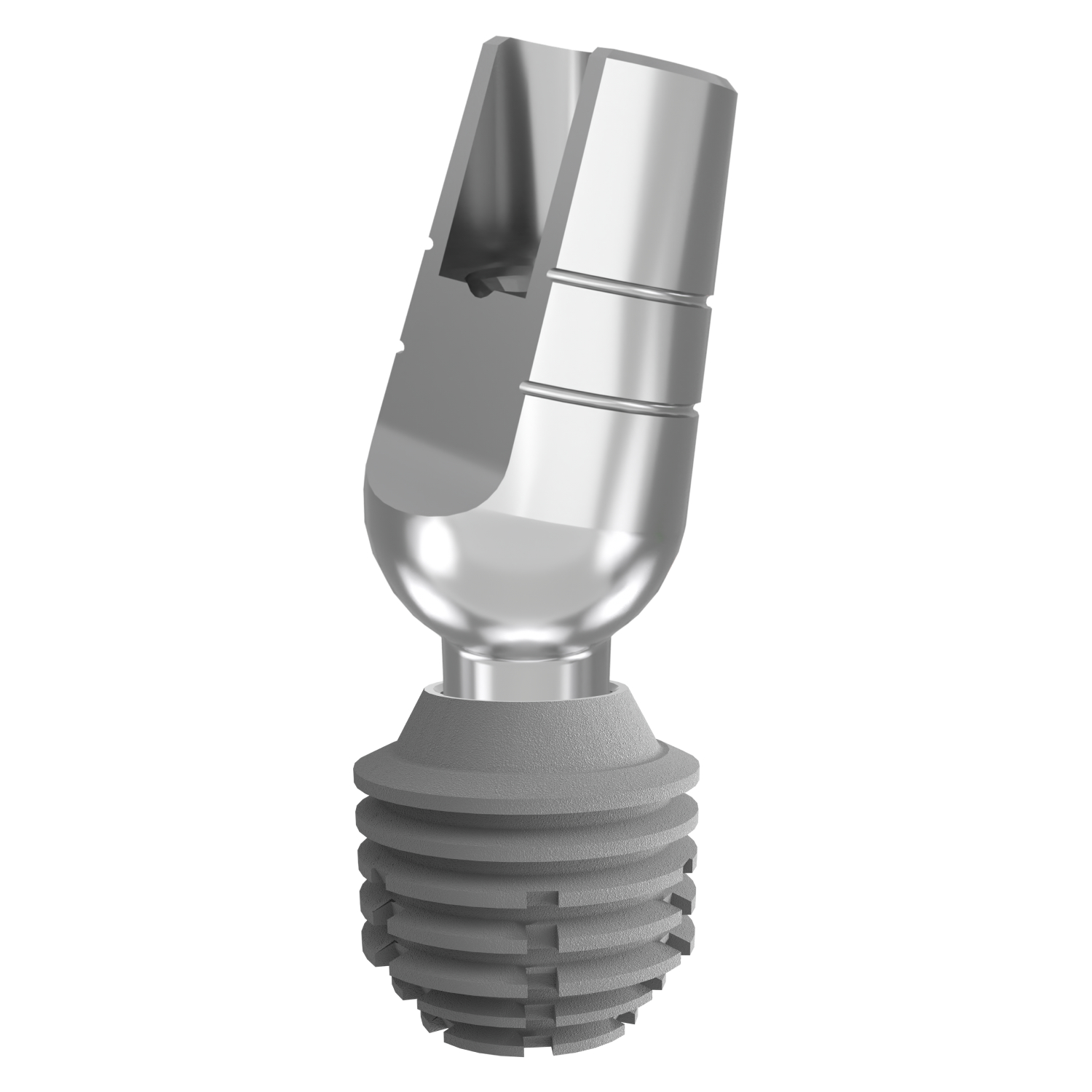
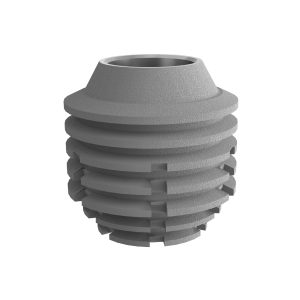
Bicon 15° Non-Shouldered Abutment Compatible is a prosthetic abutment specifically designed to be compatible with the Bicon implant system. This abutment features a 15° angulation, effectively addressing restorative challenges caused by implants placed at varying angles. It is particularly suitable for clinical situations requiring angle correction, such as anterior regions or cases with unfavorable occlusal direction.
Its non-shouldered design promotes natural soft tissue healing and personalized gingival contouring, meeting clinicians’ higher aesthetic demands. This design helps reduce tissue compression and enhances harmony between the restoration and surrounding soft tissues, making it ideal for aesthetically sensitive cases.
Features
- 15° Angulation Correction
Compensates for implant placement deviations of up to 15° and improves restorative alignment. - Non-Shouldered Design
Eliminates abrupt shoulder transitions that may irritate peri-implant tissues. - Smooth Bone-to-Restoration Transition
Provides a continuous profile from the transosseous region through the soft tissue to the restorative segment. - Supports Biological Width Formation
Helps promote natural soft tissue adaptation around the restoration. - Simplified Restorative Workflow
Reduces the need for extensive restorative modifications in angled implant cases. - Bicon-Compatible Connection
Designed for compatibility with Bicon-compatible implant systems.

Product Benefits
- Restore Challenging Implant Cases
Allows correction of moderate implant angulation discrepancies without compromising restoration placement. - Improve Prosthetic Alignment
Helps establish a more favorable restorative axis for fixed prosthetic solutions. - Preserve Soft Tissue Health
The shoulderless profile minimizes mechanical irritation and pressure on surrounding tissues. - Reduce Treatment Complexity
Avoids the need for extensive crown modifications or complicated restorative alternatives. - Support Esthetic Outcomes
Facilitates natural emergence profiles and soft tissue contours.
Why Is Angulation Correction Important?
Ideal implant positioning is not always achievable due to anatomical limitations or surgical constraints.
Factors such as:
- Maxillary sinus anatomy
- Inferior alveolar nerve location
- Limited bone availability
- Implant placement deviations
May result in implant angulation discrepancies that complicate restorative procedures.
In these situations, conventional straight abutments may prevent proper prosthesis seating and compromise restorative outcomes.
A Simple Solution for Implant Angulation Correction
The Bicon Compatible 15° Non-Shouldered Abutment is engineered to compensate for implant angulation discrepancies of up to 15°.
Its angled design helps align the restorative axis with the intended prosthetic position, facilitating conventional fixed restorations while minimizing the need for complex restorative modifications.
At the same time, the shoulderless profile supports favorable soft tissue adaptation and emergence profile development.
Specifications
2.0mm Well Details:
| Diameter (ball) | Bone Penetration Height |
| 4.0mm | 0.5mm |
| 4.0mm | 1mm |
| 4.0mm | 2mm |
| 4.0mm | 3mm |
| 4.0mm | 4mm |
| 4.0mm | 5mm |
| 5.0mm | 0.5mm |
| 5.0mm | 1mm |
| 5.0mm | 2mm |
| 5.0mm | 3mm |
| 5.0mm | 4mm |
| 5.0mm | 5mm |
2.5mm Well Details:
| Diameter (ball) | Bone Penetration Height |
| 4.0mm | 0.5mm |
| 4.0mm | 1mm |
| 4.0mm | 2mm |
| 4.0mm | 3mm |
| 4.0mm | 4mm |
| 4.0mm | 5mm |
| 5mm | 0.5mm |
| 5mm | 1mm |
| 5mm | 2mm |
| 5mm | 3mm |
| 5mm | 4mm |
| 5mm | 5mm |
3.0mm Well Details:
| Diameter (ball) | Bone Penetration Height |
| 5.0mm | 0.5mm |
| 5.0mm | 1mm |
| 5.0mm | 2mm |
| 5.0mm | 3mm |
| 5.0mm | 4mm |
| 5.0mm | 5mm |
| 6.5mm | 0.5mm |
| 6.5mm | 1mm |
| 6.5mm | 2mm |
| 6.5mm | 3mm |
| 6.5mm | 4mm |
| 6.5mm | 5mm |
Indications
Recommended for:
- Implant Angulation Correction
- Anterior Esthetic Restorations
- Posterior Fixed Restorations
- Anatomically Challenging Implant Sites
- Subcrestal Implant Placement
- Cement-Retained Restorations
- Routine Implant Cases Requiring Angulation Compensation
FAQ
What is the purpose of a 15° angled abutment?
It compensates for implant placement deviations and helps align the restorative axis with the intended prosthetic position.
Why choose a non-shouldered design?
The smooth profile helps reduce soft tissue irritation and supports natural emergence profile development.
Can it replace a custom abutment?
In many routine implant cases with moderate angulation discrepancies, it may eliminate the need for a customized abutment solution.
Is it compatible with Bicon implants?
Yes. It is designed for compatibility with Bicon-compatible implant systems.
What degree of correction does it provide?
The abutment is designed to compensate for implant angulation discrepancies of up to 15°.


I¡¯ve used this 15¡ã Bicon-compatible abutment in several cases. It fits really well, the titanium feels solid, and it makes my work easier. Good quality at a fair price!