
Description
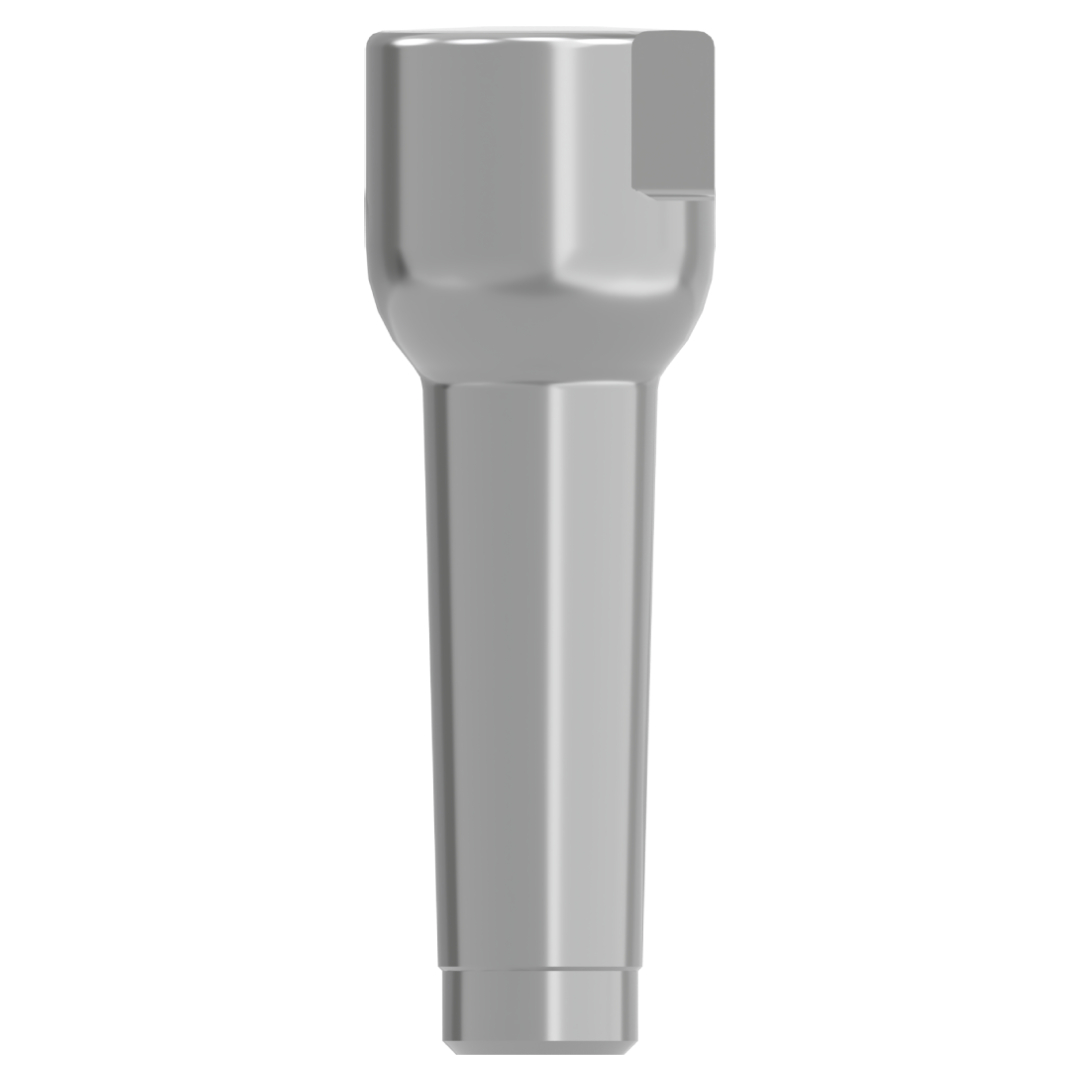
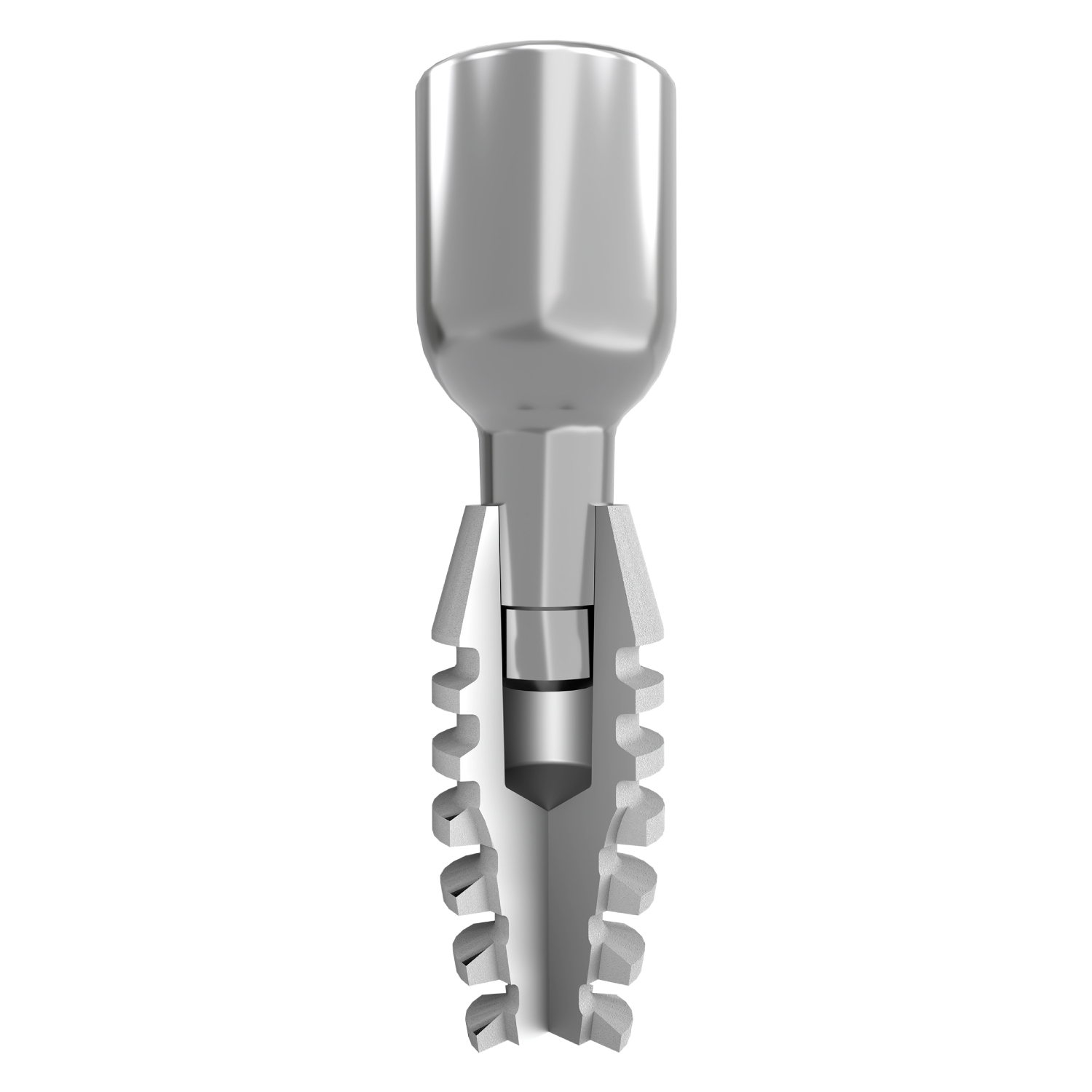
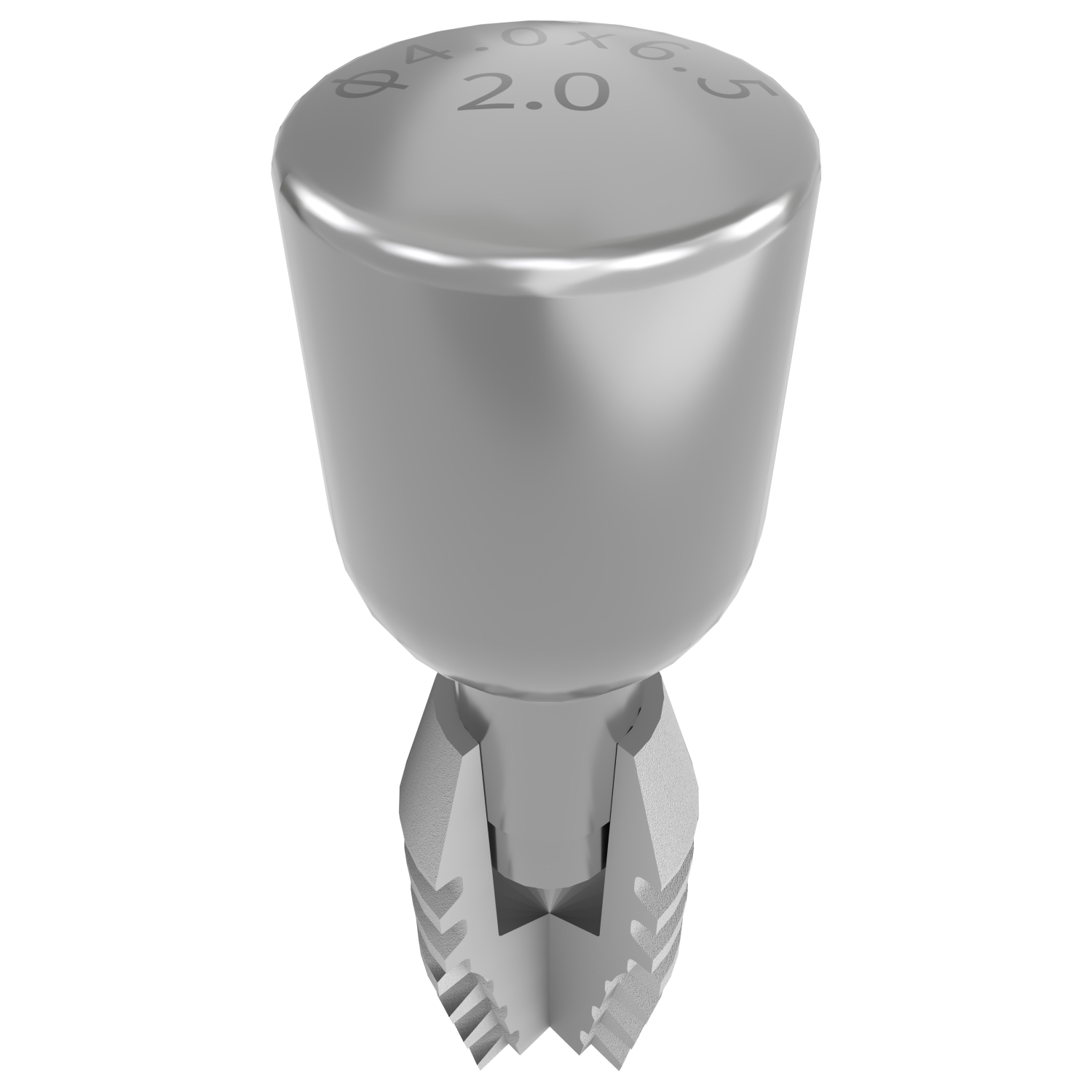
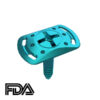
Bicon Compatible Bone Penetration Healing Abutment features an extended transmucosal design to support subcrestal implant placement, soft tissue healing, and reduced need for second-stage surgery.
Features
- Extended Transmucosal Design
Available in extended lengths ranging from 2 mm to 7 mm, significantly longer than conventional healing abutments. - Bone-to-Gingiva Penetration
Designed to span the entire distance from the subcrestal implant platform through bone and soft tissue to the oral environment. - Supports One-Stage Healing
Allows soft tissue healing around the healing abutment without requiring implant burial. - Reduced Need for Second-Stage Surgery
Helps eliminate the need for additional surgical exposure procedures in suitable cases. - Bicon-Compatible Connection
Engineered for seamless compatibility with Bicon-compatible implant systems. - Optimized Soft Tissue Management
Supports stable gingival contour development during the healing phase.
Product Benefits
- Simplify the Treatment Workflow
Reduce additional surgical procedures and streamline implant therapy. - Improve Patient Experience
Minimize discomfort associated with implant uncovering surgeries. - Support Predictable Tissue Healing
Facilitates simultaneous hard and soft tissue healing around the implant site. - Ideal for Deep Implant Placement
Provides reliable transmucosal access even when implants are positioned below the crestal bone level. - Greater Flexibility in Challenging Cases
Suitable for cases with:
Limited residual bone height
Subcrestal implant placement
Esthetic zone restorations
Immediate and delayed implant protocols
Deep tissue profiles
The Challenge of Subcrestal Implant Placement
In cases involving limited bone volume, esthetic demands, or the need for enhanced primary stability, implants are often placed below the crestal bone level.
While subcrestal placement offers important clinical advantages, it can create a common challenge:
Standard healing abutments may not be long enough to extend through the soft tissue and emerge into the oral cavity.
This often results in:
- Buried implant healing
- Additional soft tissue management
- Second-stage surgical exposure
- Increased chair time
- Additional patient discomfort
Clinicians need a healing solution capable of bridging the entire distance from the implant platform to the gingival surface.
Specifications
2.0mm Well Dimensions:
| Diameter | Transgingival Height | Bone Penetration Height |
| 4mm | 5mm | 0.5mm |
| 4mm | 5mm | 2mm |
| 4mm | 5mm | 3mm |
| 4mm | 5mm | 4mm |
| 4mm | 5mm | 5mm |
| 4mm | 5mm | 7mm |
| 5mm | 5mm | 2mm |
| 5mm | 5mm | 3mm |
| 5mm | 5mm | 5mm |
| 5mm | 5mm | 7mm |
2.5mm Well Dimensions:
| Diameter | Transgingival Height | Bone Penetration Height |
| 4mm | 5mm | 2mm |
| 4mm | 5mm | 3mm |
| 4mm | 5mm | 5mm |
| 4mm | 5mm | 7mm |
| 5mm | 5mm | 0.5mm |
| 5mm | 5mm | 2mm |
| 5mm | 5mm | 3mm |
| 5mm | 5mm | 4mm |
| 5mm | 5mm | 5mm |
| 5mm | 5mm | 7mm |
3.0mm Well Dimensions:
| Diameter | Transgingival Height | Bone Penetration Height |
| 4mm | 5mm | 2mm |
| 4mm | 5mm | 3mm |
| 4mm | 5mm | 5mm |
| 4mm | 5mm | 7mm |
| 5mm | 5mm | 0.5mm |
| 5mm | 5mm | 2mm |
| 5mm | 5mm | 3mm |
| 5mm | 5mm | 4mm |
| 5mm | 5mm | 5mm |
| 5mm | 5mm | 7mm |
| 6.5mm | 5mm | 2mm |
| 6.5mm | 5mm | 3mm |
| 6.5mm | 5mm | 5mm |
| 6.5mm | 5mm | 7mm |
Indications
Recommended for:
- Subcrestal Implant Placement
- Deep Implant Placement Protocols
- Esthetic Implant Cases
- Limited Bone Volume Situations
- One-Stage Implant Healing
- Soft Tissue Contouring Procedures
- Cases Requiring Extended Transmucosal Height
FAQ
What is a Bone Penetration Healing Abutment?
It is an extended healing abutment designed to emerge through soft tissue when implants are placed below the crestal bone level.
Why use a Bone Penetration Healing Abutment?
It helps maintain transmucosal access and may reduce the need for a second-stage implant uncovering procedure.
Is it compatible with Bicon implants?
Yes, it is designed for compatibility with Bicon-compatible implant systems.
What clinical situations is it intended for?
It is particularly useful for subcrestal implant placement, limited bone volume cases, and situations requiring extended soft tissue penetration.
Can it help avoid implant uncovering surgery?
In suitable clinical cases, the extended design may help reduce or eliminate the need for a second-stage surgical exposure procedure.


Reviews
There are no reviews yet