
Description
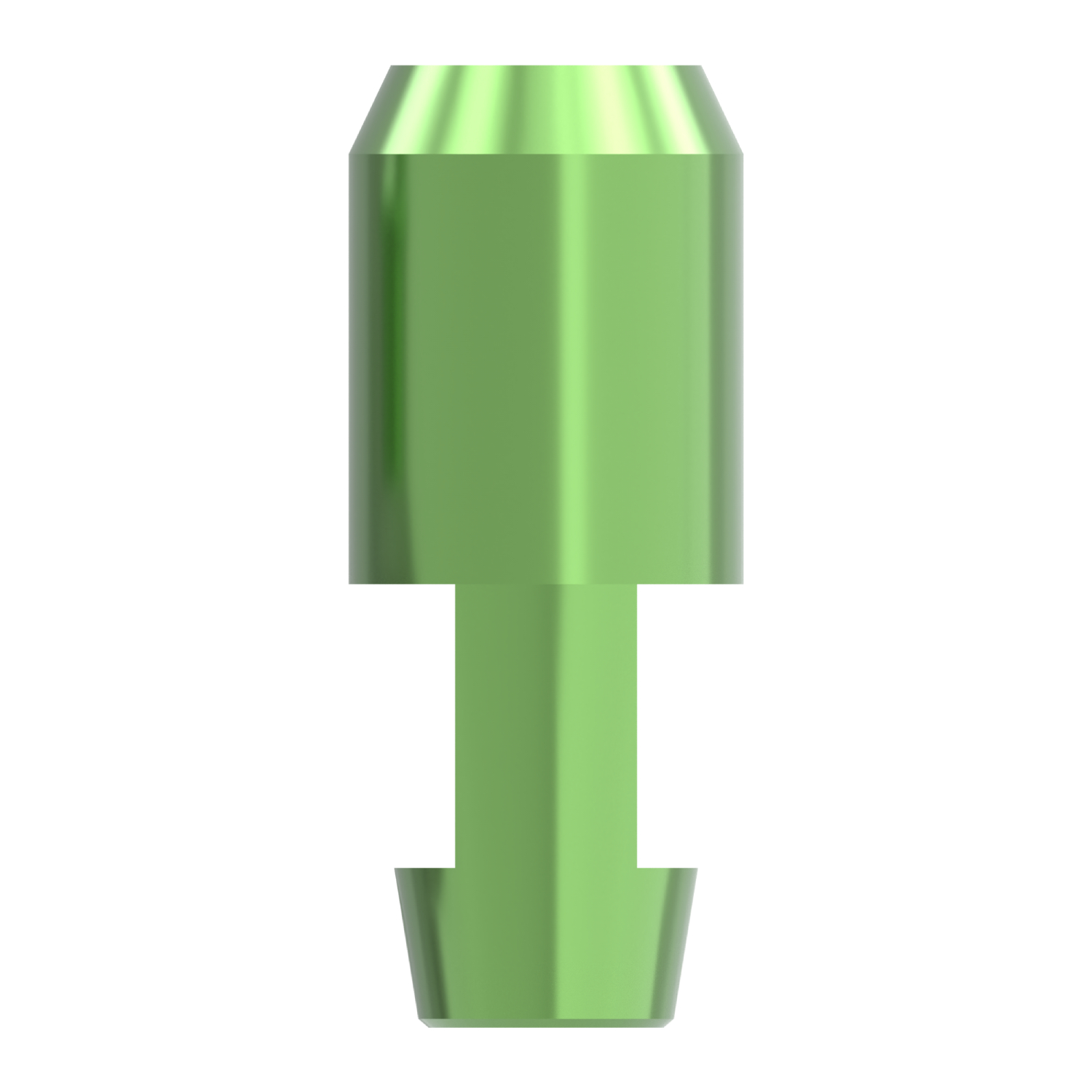
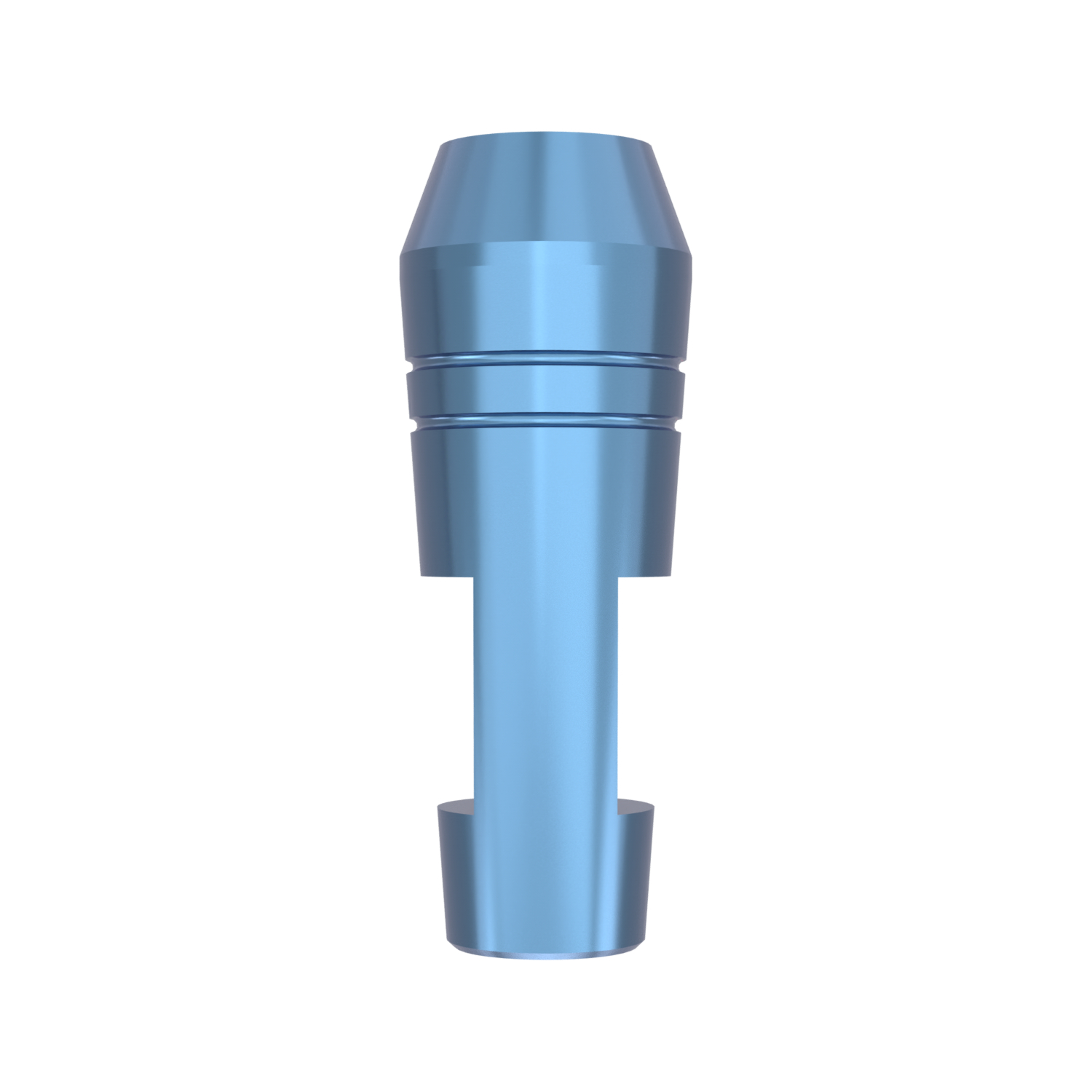
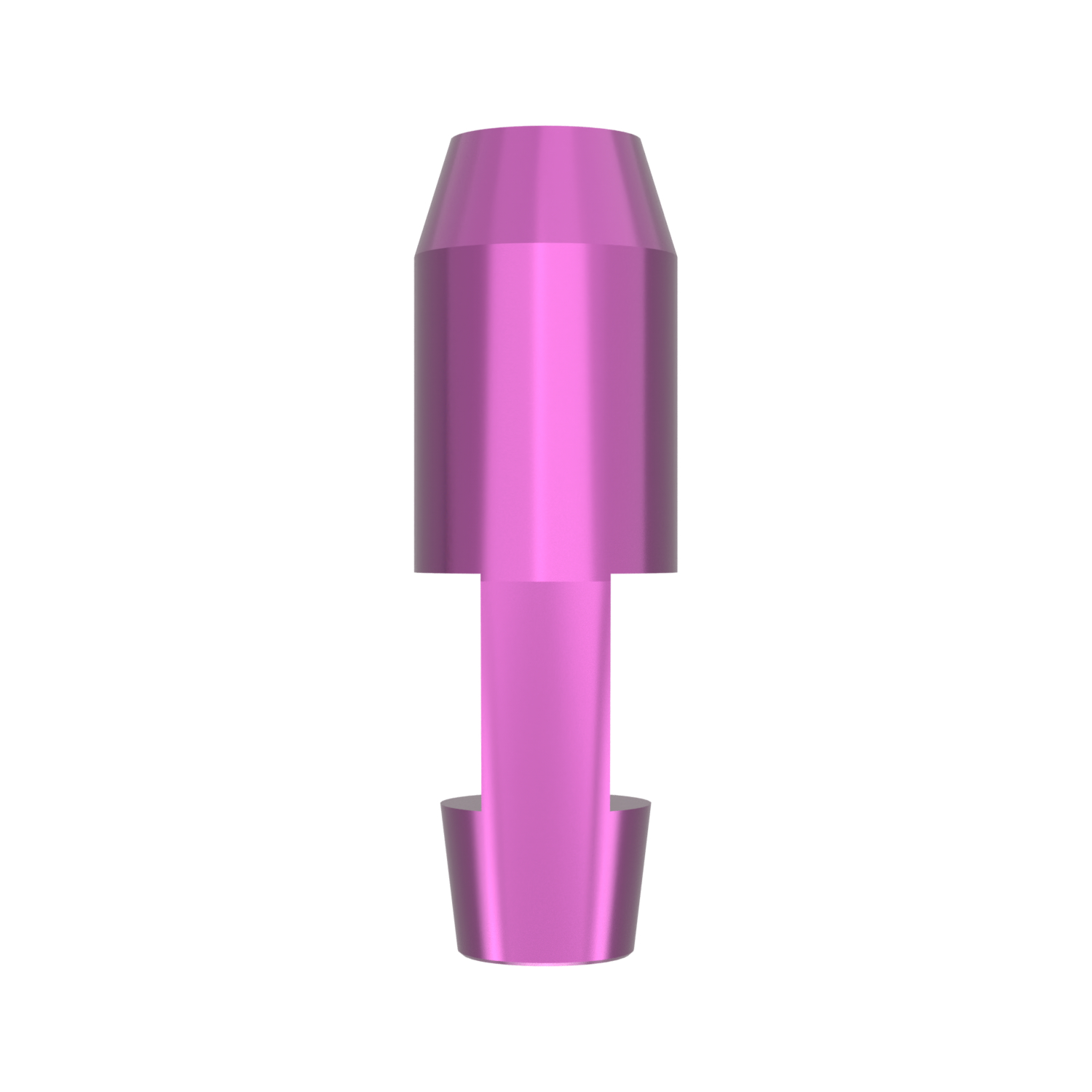
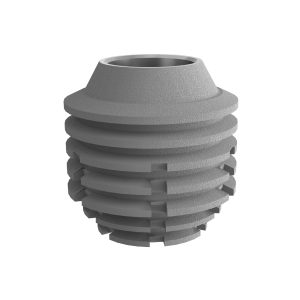
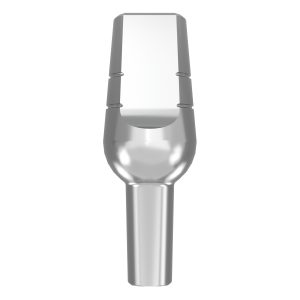
The Bicon Titanium Implant Analog Compatible is designed to precisely reproduce the implant position, angulation, depth, and internal locking-taper connection within a stone working model. Used in conjunction with impression copings and conventional impression techniques, it serves as the essential link between clinical treatment and laboratory fabrication.
Features
- Precise Implant Position Transfer
Replicates implant depth, angulation, orientation, and position within the working model. - Authentic Locking-Taper Geometry
Accurately reproduces the internal connection configuration of Bicon-compatible implant systems. - Titanium Construction
Manufactured from high-strength titanium alloy for dimensional stability and durability. - Compatible with Conventional Impression Techniques
Designed for use with fixture-level impression procedures and impression copings. - Reliable Laboratory Reference
Provides a stable foundation for restorative fabrication and verification. - Bicon-Compatible Design
Engineered specifically for compatibility with Bicon-compatible locking-taper implant systems.
Product Benefits
- Improve Prosthetic Accuracy
Supports precise fabrication of implant-supported restorations. - Reduce Remakes
Minimizes discrepancies caused by inaccurate implant positioning within the model. - Consistent Model Performance
Provides reliable seating and repeatable restorative workflows. - Simplify Laboratory Procedures
ntegrates seamlessly into traditional implant restoration protocols.
Why Is an Implant Analog Important?
Successful implant restorations depend on accurately transferring the intraoral implant position to the laboratory model.
Any deviation may result in:
- Poor prosthesis fit
- Occlusal discrepancies
- Seating inaccuracies
- Additional chairside adjustments
- Increased remake rates
For locking-taper implant systems, maintaining the exact internal connection geometry is especially critical to achieving predictable restorative outcomes.
Why Use a Dedicated Bicon-Compatible Analog?
Generic Analogs May Cause Problems
Generic analogs designed for screw-retained implant systems may not accurately reproduce the locking-taper connection geometry.
Potential issues include:
- Improper restoration seating
- Reduced connection stability
- Laboratory inaccuracies
- Restorative complications
- Purpose-Built Compatibility
The Bicon Compatible Titanium Implant Analog is specifically engineered to replicate the original implant interface and support predictable restorative outcomes.
Indications
Recommended for:
- Fixture-Level Impressions
- Conventional Implant Restorations
- Stone Working Models
- Single-Tooth Restorations
- Multi-Unit Restorations
- Laboratory Verification Models
- Bicon-Compatible Implant Systems
FAQ
What is a Titanium Implant Analog?
It is a laboratory component used to replicate the implant position and connection geometry within a stone model.
Is it compatible with Bicon implants?
Yes. It is specifically designed for compatibility with Bicon-compatible locking-taper implant systems.
Can it be used with conventional impressions?
Yes. It is intended for fixture-level impression workflows and traditional laboratory procedures.
Why is connection accuracy important?
Accurate replication of the implant interface helps ensure proper restoration fit and stability.
Is titanium preferable for laboratory analogs?
Titanium provides excellent dimensional stability, durability, and long-term accuracy.


Reviews
There are no reviews yet