In the field of modern dental restoration, dental implants play a pivotal role. They not only restore oral function and allow patients to once again enjoy food with confidence, but also greatly improve aesthetics, enhancing self-esteem and overall quality of life. With the continuous advancement of dental technology, new types of implants are constantly emerging. Among them, mini dental implants have been gaining increasing attention in clinical practice due to their unique advantages, and are gradually becoming a focal point in the field of implant dentistry.
What Is a Dental Implant?
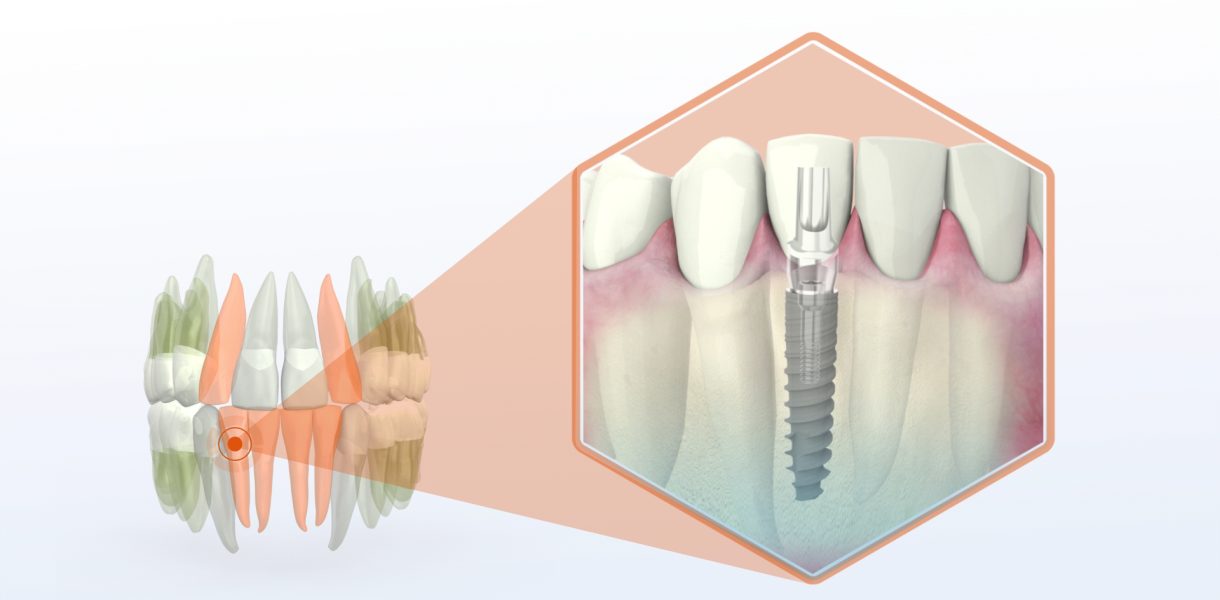
A dental implant is an artificially manufactured substitute for a natural tooth root. In dentistry, when patients lose their natural teeth due to various reasons, implants play a crucial role in restoring both function and aesthetics. Through precise surgical procedures, the implant is placed into the jawbone. Once it has successfully fused with the bone to form a stable integration, it provides a strong and reliable foundation for subsequent prosthetic restorations—just like natural tooth roots support natural teeth—allowing the restoration to function effectively in chewing, speech, and overall stability.
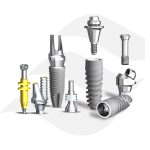
Traditional dental implants are usually composed of three main components.
1. The Implant Body
This is the core part of the implant, surgically embedded within the jawbone. Implant bodies are typically made of biocompatible materials such as pure titanium or titanium alloys, which are highly compatible with human tissue. These materials minimize the risk of rejection and promote osseointegration, ensuring the long-term stability of the implant within the jaw. Implant bodies come in various shapes and designs, most commonly cylindrical or screw-shaped, to adapt to different bone conditions and clinical requirements, thereby optimizing bone integration.
2. The Abutment
The abutment functions as a “bridge” connecting the implant body with the prosthetic crown. One end of the abutment attaches to the implant body after osseointegration is achieved, while the other end extends into the oral cavity to support the crown. Like the implant body, abutments are also made of biocompatible materials with high mechanical strength, ensuring they can withstand chewing forces over time without causing adverse reactions to surrounding tissues. Depending on clinical needs and implant types, different kinds of abutments are available, such as healing abutments or restorative abutments, each serving its role at different stages of the implant procedure.
3. The Prosthetic Crown
This is the visible part of the implant restoration that patients can see and use. The crown restores both the appearance and chewing function of the tooth and can be fabricated from different materials based on the patient’s needs, such as porcelain-fused-to-metal crowns or all-ceramic crowns. Porcelain-fused-to-metal crowns consist of a metal base with a porcelain overlay that mimics the color of natural teeth, offering both durability and aesthetics. All-ceramic crowns, on the other hand, are entirely metal-free, delivering superior esthetics and lifelike translucency that makes them almost indistinguishable from natural teeth.
Together, these three components form a complete implant system, providing patients with a reliable and effective solution for missing teeth.
What are mini dental implants?
Mini dental implants are a type of refined implant with a diameter of less than 3.0 mm. Their core advantage lies in overcoming the high bone volume requirements of traditional implants. Thanks to their ultra-thin design, they can be precisely placed in narrow alveolar ridges and severely resorbed mandibular bones—anatomical areas that are often challenging for conventional implants.
They are particularly suitable for patients with insufficient bone density, limited interdental spaces, or those requiring minimally invasive treatment. Their typical one-piece design (implant body and abutment combined) further simplifies the surgical procedure and reduces operational risks. In clinical applications such as stabilizing mandibular overdentures in edentulous cases or immediate implant restorations, mini dental implants demonstrate unique value. They provide a more flexible solution for both functional reconstruction and aesthetic restoration in dentistry.
Size Specifications of Mini Implants
DentalMaster 3.0 Mini Dental Implants have a diameter of 3.0 mm, with lengths typically ranging from 10–15 mm. They fall into the category of narrow-diameter implants. Compared with conventional-diameter implants (3.0–6.0 mm), their key differences lie in diameter design and clinical advantages, as detailed below:
1. Diameter Design: Micro-Size Breaking Traditional Limits
- Diameter positioning of the 3.0 Mini Implant
Following the narrow-diameter implant classification, DentalMaster’s 3.0 Mini Implant has a diameter close to 3.0 mm, likely within the 2.7–3.1 mm range (e.g., Germany’s BEGO MINI implants are 2.7–3.1 mm). This design makes it a typical representative of “narrow-diameter implants,” falling between mini implants (diameter < 3.0 mm) and conventional implants (diameter ≥ 3.0 mm). - Diameter range of conventional implants
Conventional implants usually have diameters from 3.0 to 6.0 mm, categorized into small (3.3–3.5 mm), medium (4.1–4.3 mm), and large (~5.0 mm) types. They are suitable for posterior regions with sufficient alveolar bone or areas requiring higher masticatory load.
2. Clinical Advantages: Balance Between Minimally Invasive Approach and Stability
Core advantages of the 3.0 Mini Implant
- Minimally invasive: Smaller diameter causes less trauma to the alveolar bone during placement, shortens post-operative healing time, and reduces pain and infection risk.
- Reduced bone augmentation requirement: In cases of limited alveolar width, the 3.0 Mini Implant may avoid or minimize the use of bone grafts and membranes, shortening the overall treatment period.
- Aesthetic coordination: Its compact size harmonizes better with surrounding teeth in shape and color, particularly suitable for anterior restorations.
Limitations of conventional implants
- Larger diameter may require additional bone augmentation (e.g., grafts and membranes) for stability, increasing surgical complexity and duration.
- Higher requirements for alveolar bone conditions, making them less suitable for patients with insufficient bone volume or limited space.
Potential advantages of the 3.0 Mini Implant
As an “intermediate size” within narrow-diameter implants, the 3.0 Mini Implant may combine the minimally invasive nature of mini implants with the stability of conventional implants, making it an ideal choice for patients with limited bone volume and aesthetic restoration needs.
Key Features of Mini Dental Implants
Mini dental implants (MDIs) demonstrate significant advantages in dental restoration due to their unique design. Their core features can be summarized in four key aspects:
1. Minimally Invasive Surgery with Short Healing Time
Mini implants typically have a diameter of less than 3.0 mm (mainstream range 1.8–2.9 mm). Their compact size allows precise placement in narrow alveolar ridges or areas with insufficient bone volume. The surgical incision is only 3–5 mm, much smaller than conventional implants (which require 8–10 mm). This minimally invasive approach significantly reduces trauma to the alveolar bone, resulting in less postoperative pain and swelling and greatly improving patient comfort.
Additionally, the micro-invasive design accelerates osseointegration, shortening the healing period to roughly half to two-thirds of that for conventional implants (conventional: 3–6 months; Mini implants: 6–8 weeks), making them ideal for patients seeking efficient restorations.
2. Possibility of Immediate Loading
Some mini implants achieve immediate loading through optimized designs, such as self-tapping threads and high surface roughness, allowing temporary prosthetics to be installed immediately after implantation to restore chewing function.
For example:
- Andersen Mini Implants use a tapered design with bone-condensing technology, expanding the bone cavity during placement to enhance initial stability.
- Germany BEGO MINI Implants utilize sandblasted and acid-etched surfaces to accelerate osseointegration, enabling single-tooth restoration patients to wear a temporary crown within 24 hours.
This feature significantly shortens the edentulous period, especially suitable for aesthetic restorations in the anterior region or cases requiring rapid restoration of masticatory function.
3. Lower Cost and High Cost-Effectiveness
The cost advantages of mini implants are reflected in three areas:
- Material and manufacturing simplification: Reduced diameter decreases titanium alloy usage, and the one-piece design (implant + abutment) reduces the number of components and streamlines production.
- Reduced surgical complexity: Minimally invasive procedures lower the need for bone grafting or flap surgery, reducing costs for materials (e.g., bone powder, membranes) and anesthesia.
- Shortened treatment cycle: Faster healing reduces follow-up visits, indirectly saving time and associated costs.
Clinical statistics indicate that overall treatment costs for mini implants are 20–30% lower than conventional implants, making them a preferred option for cost-conscious patients.
4. Shorter Surgery Time with High Patient Acceptance
The surgical workflow for mini implants is highly simplified:
- Preoperative planning: Precise placement guided by 3D oral scans, without the need for complex surgical guides.
- Intraoperative operation: Small diameter and strong self-tapping design allow smoother placement. Single-tooth surgery can be completed in 10–15 minutes (conventional implants: 30–45 minutes).
- Postoperative recovery: Minimally invasive approach reduces the risk of infection, enabling patients to return to normal life quickly.
Shorter surgery time and minimal trauma greatly enhance patient experience, particularly for elderly patients or those with dental anxiety. Studies show patient satisfaction with mini implants exceeds 92%, significantly higher than conventional implants.
Patient Groups Suitable for Mini Dental Implants
1. Patients Unable to Undergo Complex Bone Grafting
Mini dental implants typically have a diameter of less than 3.0 mm and feature a micro-sized design, allowing precise placement in narrow alveolar ridges or areas with insufficient bone volume. This avoids the complex procedures required by conventional implants, such as extensive bone grafting (e.g., bone powder or membranes).
For example, Dentalmaster Mini Implants are specifically designed for patients with low bone density or insufficient bone volume. Using minimally invasive techniques, they can be directly implanted, reducing impact on surrounding healthy tissue and lowering surgical risks.
2. Patients with Limited Jawbone or Insufficient Bone Volume
- Bone height/width deficiency: Mini implants are suitable for cases where the alveolar ridge width is only 2–4 mm, such as the maxillary lateral incisors, mandibular anterior teeth, or long-term edentulous areas with bone resorption.
- Special anatomical conditions: For insufficient bone in the posterior maxilla due to low sinus position, mini implants can be placed using short implants or bone-condensing techniques, avoiding complex procedures like sinus lifts.
- Clinical support: MegaGen Mini Implants in Korea are explicitly designed for segmental solutions in the maxillary lateral incisors and mandibular anterior teeth. Their miniature design can fill bone defects that conventional implants cannot cover.
3. Patients Requiring Fast Restoration or Cost-Effective Solutions
- Minimally invasive and fast healing: Mini implant surgery requires only a 3–5 mm incision. Postoperative pain and swelling are mild, and the healing period is shortened to 6–8 weeks (vs. 3–6 months for conventional implants), making it ideal for patients seeking rapid restoration.
- Immediate loading potential: Some mini implants feature self-tapping threads and high surface roughness, allowing temporary prosthetics to be installed immediately after placement, restoring chewing function and reducing the edentulous period.
- Cost advantage: Mini implants use less material and require less complex surgery. Overall treatment costs are 20–30% lower than conventional implants, making them the preferred option for cost-conscious patients.
4. Patients with Special Needs
- Elderly patients: Mini implant surgery is short (10–15 minutes per tooth) and minimally invasive, suitable for older patients with low pain tolerance or controlled systemic conditions (e.g., hypertension, diabetes).
- Aesthetic restoration in anterior teeth: Mini implants are small and harmonize with the surrounding teeth, making them ideal for anterior restorations and achieving better aesthetic outcomes.
- Stabilization of removable dentures: In edentulous lower jaws, four mini implants can provide stable anchorage for dentures, improving stability and reducing the need for bone grafting.
Mini Dental Implants vs. Bone Augmentation Surgery (GBR)
1. Core Advantages of Choosing Mini Implants over GBR
Avoid Complex Bone Augmentation, Reduce Trauma and Risk
Mini dental implants (≤3.0 mm diameter) use a micro-design to be directly placed in areas with insufficient bone, eliminating the need for GBR (Guided Bone Regeneration), sinus lifts, or ridge-splitting procedures. For example:
- Posterior maxilla with insufficient bone height: Conventional treatment often requires sinus lift surgery (internal or external), whereas mini implants can use the remaining bone height for direct placement, avoiding the risk of sinus perforation.
- Anterior region with knife-edge alveolar ridge: GBR would require bone grafting and barrier membranes, but mini implants can fit narrow ridges, reducing soft tissue flap elevation and membrane exposure risks.
Clinical Evidence: Short implants (≤6 mm, including mini implants) show a 1–5 year survival rate of approximately 96%, with complications (e.g., marginal bone loss, infection) significantly lower than GBR + conventional implant procedures.
Shorter Treatment Time, Lower Costs
- Time efficiency: GBR requires 3–6 months of bone healing, while mini implants require only 6–8 weeks, shortening overall treatment time by over 50%.
- Economic efficiency: GBR involves materials like bone powder and membranes, whereas direct placement of mini implants can save 30–40% of costs.
High Patient Acceptance, Especially for Special Groups
- Elderly patients: Mini implant surgery is short (~10 minutes per tooth) and minimally invasive, suitable for patients with systemic conditions such as hypertension or diabetes.
- Cost-sensitive patients: Overall costs are 20–30% lower than conventional implants, making mini implants a preferred choice for economic cases.
- Anterior aesthetics: Small size harmonizes with surrounding teeth, ideal for anterior restorations.
2. Limitations of Mini Implants as a GBR Alternative
Limited Load-Bearing, Not Suitable for Large or Complex Defects
- Indication limitations: Mini implants (≤3.0 mm) have limited bone-to-implant contact. They may loosen under high occlusal forces.
- Clinical advice:
- Best for single-tooth or minor bone-deficient cases.
- For multiple missing teeth, use splinted crowns to distribute occlusal forces.
- Avoid posterior molars (high chewing forces) or patients with bruxism.
Limited Long-Term Data, Bone Quality Must Be Evaluated
- Research status: Few studies track mini implants for ≥10 years; some report ~80% survival at 10 years, slightly lower than conventional implants (>90%).
- Bone requirement: Remaining bone density should be ≥ D3 (medium density). In cases of severe resorption or osteoporosis, GBR or short implants (4–6 mm) may be needed to improve stability.
Restoration Limitations, Aesthetic Considerations
- Anterior aesthetics: Small diameter may lead to gingival recession or metal visibility in thin biotypes.
- Solutions:
- Use titanium or zirconia abutments to reduce metal show-through.
- Consider soft tissue augmentation (e.g., connective tissue graft) to improve gingival contours.
3. Clinical Decision Guide: When to Choose Mini Implants over GBR
| Clinical Scenario | Recommended Approach | Rationale |
|---|---|---|
| Single anterior tooth missing, narrow ridge | Mini implant | Minimally invasive, rapid restoration, aesthetics comparable to conventional implants |
| Posterior maxilla, bone height 5–7 mm | Mini implant or short implant (4–6 mm) | Avoid sinus lift, reduce surgical risk |
| Fully edentulous lower jaw for denture stabilization | 4 mini implants supporting overdenture | Simplified surgery, shorter treatment, high patient satisfaction |
| Posterior region, multiple missing teeth, severe bone loss | GBR + conventional implants | Mini implants cannot bear heavy occlusal load; bone augmentation ensures long-term stability |
| Anterior thin gingival biotype | Conventional implant + soft tissue augmentation | Mini implants may increase gingival recession risk; balance aesthetics and minimally invasive approach |
Mini Implants Vs Short Implants
1. Core Definitions and Structural Differences
Mini Implants
- Diameter: Typically ≤3.0 mm
- Length: Standard lengths (e.g., 6–8 mm), but extremely narrow diameter, suitable for narrow alveolar ridges or anterior teeth.
Short Implants
- Length: ≤8 mm
- Diameter: ≥3.75 mm
- Design Feature: Shortened length allows placement in areas with limited bone height (e.g., maxillary sinus floor or near the mandibular nerve canal) while maintaining sufficient diameter to ensure stability.
2. Clinical Indications Comparison
| Indication Type | Mini Implants | Short Implants |
|---|---|---|
| Bone deficiency type | Narrow alveolar ridge (e.g., knife-edge ridge) | Insufficient bone height (e.g., maxillary sinus floor <5 mm) |
| Typical application | Single anterior tooth, narrow ridge | Posterior molar missing, patients with systemic limitations (e.g., diabetes) |
| Special needs | Temporary restoration, full-arch overdenture stabilization | Posterior teeth with low aesthetic demand, immediate loading |
| Representative brands/models | Megagen Mini, DentalMaster DMD Mini, ITI Straumann Short Implant | DentalMaster Short Implant, NobelShort, etc. |
3. Core Advantages and Limitations
Mini Implants
- Advantages:
- Minimally invasive: Small diameter, surgical incision only 3–5 mm, less postoperative pain and swelling.
- Rapid restoration: Healing period shortened to 6–8 weeks (conventional implants require 3–6 months).
- Cost-effective: Overall treatment cost 20–30% lower than conventional implants.
- Limitations:
- Limited load-bearing: Small diameter reduces bone-to-implant contact, risk of loosening under heavy occlusal forces.
- Strict indications: Only suitable for single-tooth or mild bone-deficient cases; multiple posterior teeth may require splinted restorations.
- Aesthetic risk: Thin gingival biotype in anterior teeth may expose metal, affecting aesthetics.
Short Implants
- Advantages:
- Avoid bone augmentation: No need for grafting or sinus lift, reducing surgical risk and cost.
- Short treatment cycle: Restoration completed in 2–3 months (conventional implants require 6–12 months).
- Wide indications: Suitable for patients with limited bone height or systemic conditions (e.g., osteoporosis).
- Limitations:
- Initial stability challenge: Short length reduces bone contact area; precise placement angle is critical.
- Slightly lower long-term success rate: 5-year survival ~85–92% (conventional implants >95%).
- Occlusal limitations: Occlusal forces must be strictly controlled; avoid heavy loading in posterior region.
4. Clinical Decision Recommendations
Prefer Mini Implants When:
- Single anterior tooth missing, normal bone height but insufficient width.
- Narrow alveolar ridge (e.g., maxillary lateral incisors, mandibular anterior teeth).
- Patient prioritizes minimally invasive, rapid restoration and cost-effectiveness.
Prefer Short Implants When:
- Posterior teeth with insufficient bone height (e.g., 4–6 mm residual height in maxillary sinus floor).
- Patients with systemic limitations (e.g., diabetes, osteoporosis) who cannot tolerate bone augmentation surgery.
- Posterior teeth with low aesthetic demand requiring quick functional restoration.
Cases Requiring Caution:
- Mini Implants: Multiple posterior teeth missing, patients with bruxism or other occlusal abnormalities.
- Short Implants: Bone height <4 mm, anterior aesthetic zone requiring GBR or conventional implants.
Conclusion
Mini dental implants, with their advantages of minimally invasive surgery, rapid restoration, and cost-effectiveness, demonstrate irreplaceable clinical value in patients with narrow bone volume, anterior aesthetic restoration needs, or limited financial resources. They offer a reliable option, especially for those who cannot tolerate complex bone augmentation procedures or seek efficient treatment. However, their small diameter limits load-bearing capacity, and strict indications mean they are not suitable for all tooth loss cases. Therefore, treatment plans must be carefully tailored based on the patient’s bone condition, occlusal function, and long-term restoration needs. A professional dental clinician should evaluate each case comprehensively using imaging techniques such as CBCT to formulate a personalized approach. Patients should fully understand their own situation, discuss restorative goals and expectations with their dentist, and balance the need for minimally invasive procedures with functional stability to ultimately select the implant solution that best meets their interests, achieving an optimal balance of aesthetics, function, and long-term oral health.