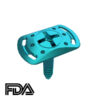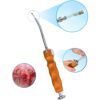
Developed and refined through multiple clinical cases, the improved Crestal Approach Sinus Lift Kit features an innovative percussion-based design that greatly expands the range of indications.
It allows safe internal sinus lift procedures in cases with 3–7 mm of residual bone height, and in most situations, no bone graft material is required — significantly improving the success rate.
During the tapping process, the use of depth control stoppers provides enhanced safety and precision.
Improved Crestal Approach Sinus Lift Kit:

Clinical Case Presentation:

1. Incision and Exposure
Under local anesthesia, a crestal incision was made to fully expose the sinus membrane.

2. Precise Positioning
A 4.0 mm circular positioning drill was used to locate the site, preventing slippage during the subsequent trephine drilling.

3. Trephine Drilling
A 4.0 mm trephine drill, fitted with an appropriate depth control stopper, was used for initial preparation.


4. Sinus Floor Elevation
A 3.8 mm percussion tip was connected to the handle to gently tap and create a controlled greenstick fracture of the sinus floor.
For first-time users concerned about force control, a stopper can be used during tapping for added safety.


5. Implant Placement
An 8 mm implant was inserted, followed by placement of a cover screw and primary closure with sutures.

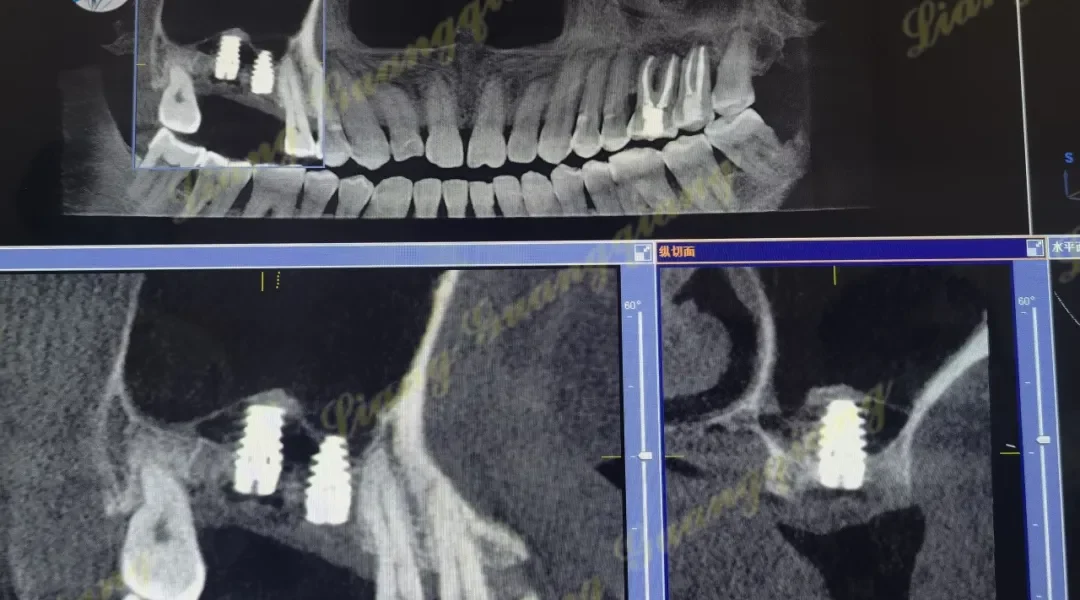
6. Postoperative CBCT Evaluation
Postoperative CBCT imaging confirmed successful sinus elevation and implant placement.


Conclusion / Clinical Insights
The improved Crestal Approach Sinus Lift Kit demonstrates a safe, efficient, and minimally invasive solution for internal sinus elevation.
Key advantages observed in clinical cases include:
- Expanded indications: suitable for residual bone heights of 3–7 mm.
- Graftless procedure: no routine bone graft required, simplifying the workflow while maintaining high success rates.
- Enhanced safety: depth control stoppers allow precise control during percussion, reducing the risk of membrane perforation.
- Ease of use: optimized instruments and positioning drills improve accuracy, reduce procedural difficulty, and shorten operative time.
This clinical experience confirms that the improved kit provides clinicians with a reliable, predictable, and user-friendly tool for crestal sinus elevation, contributing to safer and more efficient implant placement.