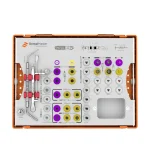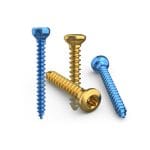
Dental implant technology, with its functionality and aesthetic outcomes closely resembling natural teeth, has become a cornerstone of modern restorative dentistry, providing stable and reliable treatment solutions for tens of thousands of patients with missing teeth. However, given the vast array of implant systems and models available on the market, selecting a scientifically appropriate implant system has become a critical issue for both clinical decision-making and dental practice management.
The right implant system not only directly impacts key clinical outcomes, such as osseointegration success and prosthetic stability, but also affects practice operations through factors like standardized surgical workflows and inventory management efficiency. Ultimately, these choices can significantly influence patient satisfaction, reputation, and long-term revenue growth.
This guide, grounded in evidence-based medicine and industry best practices, systematically outlines a framework for evaluating implant systems. It is designed to help dental professionals build a decision-making model encompassing biomechanical performance, digital workflow compatibility, and after-sales support, thereby enabling an optimized balance between clinical value and operational efficiency when selecting implant products.
1. Understanding Implant Systems
1.1 Implant Design and Material
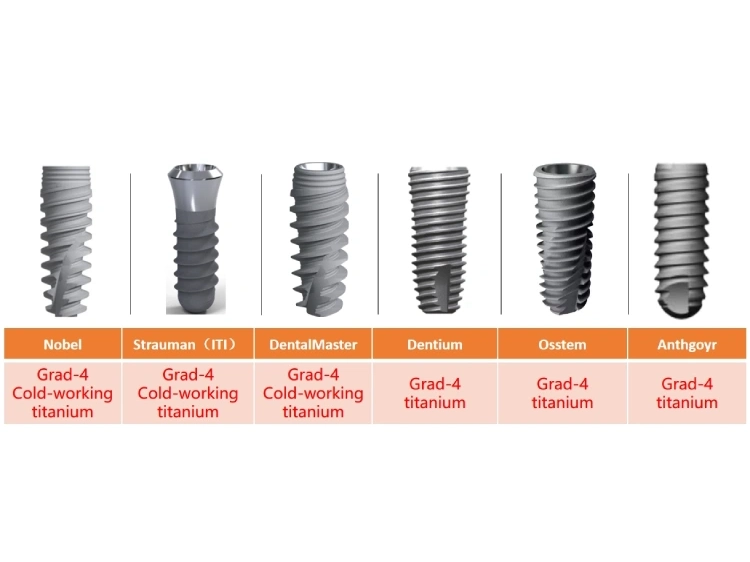
When selecting a dental implant, the material properties and structural design are critical factors influencing long-term success. Titanium alloy implants remain the mainstream choice in clinical practice due to their excellent biocompatibility, corrosion resistance, and well-established osseointegration performance.
For anterior regions with high aesthetic demands, zirconia implants can provide a more natural gingival color transition. However, their mechanical strength is relatively lower, and long-term stability data for osseointegration are still limited. Therefore, zirconia implants are more suitable for low-load areas or specific patient populations.
Additionally, the macro-design of implants (e.g., thread morphology, collar microstructure) combined with surface treatments (e.g., SLA sandblasting and acid-etching, SLActive hydrophilic surfaces) determines the efficiency of osteoblast attachment. Clinicians should select surface technologies that match the patient’s bone quality and validate their clinical effectiveness through evidence-based literature.
1.2 Compatibility and Versatility
Modern implant systems should offer cross-scenario adaptability to enhance clinical efficiency. An ideal system supports seamless integration of standard abutments, customized abutments, and digital prosthetic components, while remaining compatible with both dynamic navigation surgical guides and static templates. This ensures suitability for a range of procedures, from single-tooth restorations to complex full-arch reconstructions.
Furthermore, implant platform designs must accommodate both immediate placement (considering initial stability) and delayed placement (optimizing bone regeneration space). Modular components allow flexible combinations of implants with different diameters and lengths within the same system.
Choosing systems with open interfaces can reduce equipment investment, minimize inventory-related costs, and ultimately improve practice workflow efficiency and patient satisfaction.
2. Supplier and Brand Considerations
2.1 Brand Reputation
Selecting brands with long-term clinical validation and market recognition can reduce treatment risks associated with product quality variability. Established brands typically maintain robust quality management systems, ensuring consistent performance across different implant batches. Their accumulated long-term follow-up data also provides reliable evidence to support clinical decision-making.
Moreover, brands with high market share generally have stable supply chains, minimizing the risk of product shortages or disruptions caused by rapid component updates, which can impact day-to-day clinic operations.
2.2 Certifications and Compliance
Thoroughly verifying product certifications is fundamental to ensuring patient safety. The CE mark indicates compliance with European medical device regulations, FDA approval demonstrates that the product has passed stringent review by the U.S. Food and Drug Administration, and ISO 13485 certification confirms that the manufacturer has established a quality management system in accordance with international medical device standards.
Choosing products with multiple authoritative certifications not only ensures the biocompatibility of implant materials and reliability of manufacturing processes but also helps mitigate potential legal risks and medical disputes.
2.3 Support and Training
High-quality suppliers should provide comprehensive technical support covering the entire implant workflow. Beyond product training, dentists should evaluate whether the supplier offers value-added services such as personalized surgical planning and remote consultation for complex cases.
For clinics adopting digital implant technologies, the supplier’s technical team should have expertise in software operation, equipment maintenance, and troubleshooting. Regularly organized academic seminars and hands-on workshops can help clinicians stay up-to-date with industry advancements, enhancing overall practice proficiency and improving patient care experiences.
3. Cost vs. Value Analysis
While the purchase price of dental implants is an important component of clinic operating costs, selecting implants solely based on low price may introduce hidden risks. Dentists should adopt a multi-dimensional value assessment framework, considering the following key factors:
Full-Cycle Cost Structure
Beyond the implant itself, clinics must account for associated consumables such as abutments, customized impression posts, and healing abutments, as well as additional expenses like bone graft materials and digital surgical guides. For example, certain low-cost implant systems may lead to unexpectedly high restoration costs due to poor abutment compatibility.
Long-Term Maintenance Costs
Prioritize systems with standardized components and high inventory turnover, which can significantly reduce replacement costs associated with discontinued parts or model upgrades. It is also essential to evaluate the supplier’s warranty coverage and maintenance services to avoid substantial repair expenses in the future.
Clinical Efficiency Value
Implants featuring self-tapping threads or minimally invasive insertion designs can shorten surgical time and reduce complication risks. The efficiency gains from such implants may offset any per-unit price premium. Systems with strong compatibility for digital surgical guides further enhance precision, minimizing adjustments during the restorative phase and shortening the overall treatment timeline.
By constructing a dynamic evaluation model—considering initial purchase cost, full-cycle maintenance cost, and clinical efficiency gains—clinics can manage budgets effectively while ensuring predictable treatment outcomes and long-term patient satisfaction. This approach ultimately creates differentiated competitive advantages and sustainable profitability.
4. Technology and Clinical Advantages
Modern implant systems, through deep integration with digital technologies, have significantly enhanced both clinical precision and operability. CBCT-based 3D imaging allows visualization of critical anatomical structures such as bone volume and neurovascular pathways, assisting clinicians in developing personalized implant plans.
Digital design software, combined with intraoral scan data, can generate surgical guides that precisely conform to the patient’s jaw anatomy, ensuring implant placement angles and depths remain within 0.3 mm of preoperative planning.
For patients with multiple missing teeth or fully edentulous arches, immediate loading protocols optimize initial implant stability and allow for temporary restorations to be placed in a single procedure, reducing the traditional 3–6 month healing period. This approach substantially shortens treatment time and reduces patient financial burden.
Furthermore, systems compatible with bone augmentation guides seamlessly support complex procedures such as guided bone regeneration (GBR) and sinus lift surgeries. Modular component designs enable full workflow coverage—from simple implants to zygomatic implant cases—providing clinicians with flexible solutions for a wide range of indications.
These integrated technologies not only streamline surgical workflows but also minimize intraoperative trauma and postoperative complications, ultimately improving treatment safety and long-term patient satisfaction.
5. Questions to Ask Your Supplier
Before finalizing an implant system, dentists should conduct a systematic evaluation of the supplier’s capabilities. Key areas to focus on include:
Clinical Validation
Request long-term follow-up data based on evidence-based medicine (e.g., success rate reports over 5+ years). Confirm whether the system’s indications cover your specific clinical scenarios, such as osteoporotic patients or implants in the aesthetic zone.
Supply Chain Reliability
Verify inventory turnover for critical components, such as implants of different diameters and customized abutments, to prevent treatment interruptions due to component shortages. Also, assess logistics responsiveness, including the supplier’s ability to expedite urgent orders.
Technical Support and Training
Inquire whether training programs include hands-on exercises and case reviews. Clarify the scope of surgical support, such as on-site guidance during the first use of a new system, and confirm access to digital tools, including implant planning software.
Risk Management and Warranty
Understand warranty terms for extreme scenarios, such as implant fracture or failed osseointegration, including whether replacement or compensation is provided. Test the responsiveness and problem-solving capabilities of the supplier’s customer support hotline.
6. Red Flags and Risk Management
When evaluating an implant system, dentists should establish a systematic risk identification framework, focusing on four key dimensions to avoid both clinical and operational losses:
Clinical Validation Risk
Thoroughly verify whether the product is supported by multicenter randomized controlled trial data over 5+ years, with a 5-year survival rate meeting the clinical gold standard (≥95%). Systems providing only short-term observational reports or lacking dual CE/FDA certification should be approached with caution, as their surface treatments (e.g., SLA sandblasting parameters) or material biocompatibility may be suboptimal. Such deficiencies could lead to delayed osseointegration or increased incidence of peri-implantitis.
Supply Chain Vulnerability Risk
Assess the supplier’s component inventory turnover (recommended ≤45 days) and emergency supply mechanisms. Reliance on overseas manufacturing without local stock for critical components (e.g., customized abutments) may result in treatment interruptions for complex cases like full-arch reconstructions, significantly increasing the risk of secondary procedures and reputational damage to the clinic.
Service Support Gaps Risk
Confirm that the supplier provides a professional support team composed of personnel with at least a master’s degree in implantology. Review the number of localized training sessions conducted in the past three years (recommended ≥12 per year). Purely theoretical training without hands-on guidance may impede clinicians from mastering digital surgical guide techniques, increasing the likelihood of implant placement deviations and potentially causing severe complications, such as inferior alveolar nerve injury.
Technology Redundancy Risk
Be cautious of systems overloaded with features. Verify compatibility with the clinic’s existing CBCT (recommended resolution ≤0.125 mm) and intraoral scanners (recommended scan accuracy ≤20 μm). If the system interface is overly complex for the team to learn, or if single-implant procedures cannot be completed within 30 minutes, daily patient throughput and overall patient experience may suffer, resulting in hidden operational costs.
By constructing a risk assessment checklist incorporating these quantitative indicators, clinics can build a scientific selection model. Prioritize implant systems with complete clinical evidence, agile supply chains, localized support, and high technological compatibility to maximize both clinical quality and operational efficiency.
7. Conclusion
Selecting the right dental implant system requires a multi-dimensional value assessment framework, balancing material biocompatibility, digital system compatibility, standardized surgical workflows, and supplier responsiveness. Dentists and clinic managers should move beyond a “lowest-price” procurement mindset and incorporate key metrics—such as clinical validation data (e.g., 5-year survival rate ≥95%), component supply chain stability (inventory turnover ≤45 days), and effectiveness of technical training (including hands-on guidance)—into their decision-making. This ensures treatment predictability while maintaining cost control.
By establishing strategic partnerships with suppliers holding ISO 13485 certification and localized service networks, clinics can access full-cycle technical support—from preoperative CBCT-guided surgical planning to postoperative maintenance. For example, dentalssale offers Nobel/Bicon-compatible systems covering implants, customized abutments, and digital impression workflows. The package also includes specialized GBR instruments and real-time online technical support, enabling clinicians to perform precise operations in complex bone augmentation cases while significantly reducing risks such as nerve injury.
This integrated “hardware + service” solution enhances patient treatment experience and drives positive word-of-mouth, while optimizing clinic efficiency by shortening surgical times (≤30 minutes per implant) and reducing follow-up visits. Ultimately, it achieves a win-win outcome for both clinical quality and business value.
Looking for a dental implant solution that combines clinical performance with cost efficiency? dentalssale now offers Nobel/Bicon-compatible implants, abutments, and GBR-specific instrument kits. Click to consult for a customized technical solution with localized support.