
In the field of dental implants, high-quality implant tools are the cornerstone of successful surgeries, and their importance cannot be overstated. Precise implant procedures rely not only on the dentist’s professional skills but also on advanced and reliable instruments. From accurately measuring implant sites to securely placing implants, every delicate step requires the precise assistance of appropriate tools, which directly affects surgical accuracy, patient safety, and the final treatment outcomes.
However, many dentists and clinics today often face a dilemma when selecting dental implant tools. On one hand, they are well aware of the critical role that high-quality instruments play in surgical success and patient health, and they strive to use products with excellent performance and superior quality. On the other hand, they must contend with price constraints and the reality that the market is flooded with a wide variety of tools of varying quality and usability. Finding the perfect balance between quality, cost, and availability has become a pressing challenge in the purchasing process.
To help dentists and clinics navigate this complexity and make informed, evidence-based decisions when purchasing dental implant tools, we have carefully prepared this guide. In the following sections, we will analyze market trends, combine practical cases with professional experience, and provide a series of practical and targeted tips and recommendations to help you easily acquire dental implant tools that meet your needs.
Why Choosing the Right Dental Implant Tools Matters
1. Improve Surgical Efficiency
- Enhanced operational smoothness: High-quality dental implant tools are often designed with ergonomic principles in mind, matching the natural movements and habits of the surgeon. For example, the handle of an implant handpiece is designed for a natural grip, reducing hand fatigue during long procedures and allowing more precise control of force and direction. Additionally, the internal mechanical structure is optimized for stable power transmission, ensuring that drills, implant drivers, and other components operate efficiently without jamming or vibration, resulting in smoother surgical procedures.
- Shortened procedure time: The right tools can quickly and accurately complete each surgical step. For instance, in preparing the implant osteotomy site, a high-quality implant drill with precise cutting angles and sharp edges can efficiently create the correct depth and size according to the treatment plan. This avoids repeated adjustments caused by inferior tools and significantly shortens this critical step. Reducing overall surgery time not only minimizes patient discomfort from prolonged mouth opening but also lowers the risk of complications such as infection associated with extended procedures.
2. Ensure Patient Safety and Comfort
- Reduced risk of complications: Reliable dental implant tools are manufactured according to strict quality standards, using safe, non-toxic materials. During surgery, precise instruments help ensure implants are placed at the planned location, angle, and depth, avoiding damage to surrounding nerves, blood vessels, and other vital structures. For example, using surgical guides and depth-marked positioning tools significantly increases placement accuracy, reducing complications such as nerve injury or adjacent tooth damage, thus protecting patient oral health.
- Optimal treatment outcomes: Proper tools help achieve ideal implant restoration results. High-quality implants integrate better with surrounding bone tissue, improving stability and success rates. Complementary restorative tools allow precise fabrication and placement of crowns and prostheses, ensuring harmonious shape, color, and occlusion with adjacent teeth. This restores patients’ chewing function and aesthetics, enhancing satisfaction and overall quality of life.
- Improved patient comfort: During surgery, the right tools minimize trauma to oral tissues. Minimally invasive implant instruments can place implants with smaller incisions and reduced tissue damage, alleviating postoperative pain, swelling, and discomfort. Advanced instruments may also feature vibration and noise reduction, creating a more comfortable surgical environment for patients.
3. Durability and Precision of Instruments
- Durable materials for long-term use: Dental implant tools are often made from titanium or stainless steel, which offer high strength and corrosion resistance, allowing them to withstand the complex oral environment over time. For example, titanium alloy implants have excellent biocompatibility and mechanical properties, enduring occlusal forces while maintaining long-term stability. Handpieces, drills, and other tools made from stainless steel are treated for hardness and wear resistance, allowing repeated sterilization without performance degradation, which reduces clinic procurement costs.
- Long-term precision: Durable tools maintain dimensional accuracy and structural stability over time, which is crucial for surgical precision. For instance, surgical guides must accurately guide implant placement. Low-quality materials can deform or wear during use, causing placement deviations and compromising outcomes. High-quality materials, on the other hand, preserve accuracy over time, providing reliable support for successful procedures.
Common Types of Dental Implant Tools and Their Functions
1. Dental Implant Kits:
A dental implant kit is a comprehensive set containing a variety of tools required for implant procedures. Core components include implant drills specifically designed for precise osteotomy, and drivers for installing or removing implant components. The kit also includes auxiliary instruments such as measuring gauges, tweezers, and other tools to meet the diverse needs of dental implant surgeries.
2. Bone and Membrane Fixation Screws/Tacks:
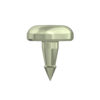
These tools play a crucial role in bone grafting procedures. They are used to secure grafted membranes and titanium meshes, ensuring stability during surgery. This promotes bone regeneration and healing, providing a solid foundation for dental implants.
3. Titanium Brushes:
Titanium brushes are specialized tools for cleaning the surface of dental implants. Maintaining a sterile surgical area is essential during implant procedures. The soft bristles of the titanium brush effectively remove debris and bacteria from the implant surface without causing damage, ensuring a higher success rate and better oral health outcomes for patients.
4. Surgical Guides:
Surgical guides act as a “navigation system” during dental implant surgery. They can be custom-made according to the patient’s oral anatomy or standard models. By using a surgical guide, dentists can accurately determine the implant’s position and angle, ensuring precision, stability, and improving the overall success rate and patient satisfaction.
5. Auxiliary Tools:
Additional tools are indispensable in dental implant procedures. For example, torque wrenches control the insertion force of implants, preventing over-tightening or under-tightening, while depth gauges measure the implant insertion depth to ensure optimal fit with the alveolar bone. The use of these auxiliary instruments makes implant surgery more precise and safer.
Significant Advantages of Buying Dental Implant Tools Online
Global Shipping: Break Geographical Barriers and Access Premium Resources
In traditional procurement models, dentists and clinics around the world are often limited by local market availability, making it difficult to obtain the highest-quality and most comprehensive dental implant tools. Online purchasing completely eliminates these geographical restrictions. Through internet platforms, whether a clinic is located in a bustling city or a remote area, dentists can easily browse high-quality instruments from numerous reputable global brands and suppliers. With just a few clicks, the desired products can be delivered accurately across vast distances, significantly expanding procurement channels and providing strong support for improving clinical performance.
Customer Reviews: Learn from Peers and Make Informed Decisions
One major advantage of online shopping platforms is the abundance of authentic feedback from dental professionals across different regions and backgrounds. These customer reviews act as a mirror, reflecting the quality and performance of dental implant tools in real-world use. New buyers can carefully read these reviews to understand the challenges and experiences encountered by peers, as well as the advantages and limitations of specific products. Such experience-based insights are more credible and valuable than advertising alone, helping dentists make wiser purchasing decisions.
Detailed Product Information: Comprehensive Understanding for Precise Selection
When purchasing dental implant tools online, suppliers usually provide very detailed product information. In addition to standard specifications, detailed user manuals guide dentists on the correct and safe use of instruments. Many platforms also offer rich video resources that visually demonstrate the operation, features, and suitable applications of the tools. This comprehensive, multi-angle presentation allows dentists to gain an in-depth understanding of products without visiting in person, enabling more precise selection of dental implant tools that meet their specific needs.
How to Identify High-Quality Dental Implant Tools
Check Material Quality and Manufacturing Precision: The Foundation of Excellence
Material quality is a key factor in determining the performance and lifespan of dental implant tools. High-quality instruments are typically made of premium biocompatible materials, such as stainless steel or titanium alloys. These materials not only provide excellent strength and corrosion resistance but also minimize irritation to oral tissues, reducing the risk of postoperative complications.
Manufacturing precision is equally critical. Meticulous craftsmanship ensures that all components fit accurately and function reliably during surgery. When evaluating tools, dentists can assess material quality and precision by observing surface smoothness, sharpness of edges, and the fit between components.
Confirm Warranty and After-Sales Support: Peace of Mind and Reliable Use
As precision medical equipment, dental implant tools may occasionally experience unexpected issues or malfunctions. Therefore, comprehensive warranty and after-sales support are essential guarantees when purchasing high-quality instruments. Buyers should confirm whether suppliers provide a reasonable warranty period, clear coverage terms, and specific solutions for repairs or replacements during the warranty period. Additionally, strong after-sales support may include timely technical consultation, training services, and spare parts availability, providing dentists with robust assistance to ensure smooth operation and successful procedures.
Research Supplier Reputation and Customer Feedback: Trusted Partners for Reliable Quality
Supplier reputation and customer feedback are important indicators of product quality and service standards. A reputable supplier usually possesses extensive industry experience, strict quality control systems, and comprehensive after-sales support, offering more reliable products and services. When choosing a supplier, dentists can consult industry news, seek peer recommendations, and review online ratings to understand market reputation and customer satisfaction. Checking supplier certifications and compliance with international standards further validates product quality and reliability. By carefully evaluating supplier reputation and customer feedback, dentists can accurately select trustworthy partners and purchase high-quality dental implant tools.
Conclusion
Dental implant surgery is a highly precise and specialized dental procedure, where every step is closely linked to the final treatment outcome and the patient’s experience. Selecting the right dental implant tools is undoubtedly a crucial part of this process. The proper instruments not only provide a solid foundation for smooth surgical procedures but also play a key role in ensuring successful outcomes and enhancing patient satisfaction.
From the biocompatibility of materials to strict quality certifications, from ease of use to the reliability and reputation of suppliers, every factor functions like the teeth of a finely tuned gear—each one interlocking and indispensable. Only by carefully and comprehensively considering these aspects can dentists navigate the complex market and make truly informed purchasing decisions that meet clinical needs, ultimately paving the way for patients toward better oral health and confidence.
If you are looking for high-quality dental implant tools, please visit our product page
or contact our sales team to get detailed information, pricing, and global shipping options.