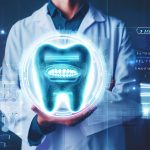

Advancements in technology continue to revolutionize various industries, including dentistry. In 2025, the dental field is set to experience several innovative trends that promise to improve oral health and address common concerns. Let’s delve into these trends and explore how they promote proper dental care and tackle pressing issues.
1. Artificial Intelligence (AI) and Automation in Dentistry
In today’s rapidly advancing technological landscape, AI and automation are transforming traditional dental care like never before. From precise imaging analysis to scientifically optimized treatment planning, AI and automation now play a role throughout multiple stages of dental care. These technologies not only significantly improve treatment efficiency but also enhance accuracy, providing patients with higher-quality, more efficient oral healthcare services.
AI Dental Imaging Analysis
Leveraging powerful algorithms and deep learning, AI has demonstrated remarkable performance in dental imaging analysis. It can automatically and accurately detect common oral diseases such as cavities, periodontitis, and root canal issues. By training on large datasets of annotated dental images, AI models can quickly identify subtle features in the images and accurately assess the location and severity of lesions. According to recent studies, AI’s diagnostic accuracy in dental imaging can reach over 90%, highlighting its reliability and effectiveness. In contrast, traditional imaging largely depends on a dentist’s experience and visual inspection, which can be influenced by subjective factors and may result in missed or incorrect diagnoses, especially for early-stage or hidden lesions.
Intelligent Treatment Planning
Intelligent treatment planning is another key application of AI and automation in dentistry. AI systems can automatically generate personalized treatment plans based on a patient’s dental structure, medical history, and other relevant data. This approach accounts for individual differences, ensuring that treatment is both targeted and effective. Applications include orthodontics, dental implants, and restorative treatments. For example, in orthodontics, AI can calculate the optimal treatment plan based on tooth alignment and jaw development, including selecting the appropriate braces, adjusting force levels, and determining treatment duration. In dental implant procedures, AI can simulate the implant process, plan the optimal position and angle of the implant, and improve success rates and stability.
Automated Dental Devices
The emergence of automated dental devices has revolutionized dental procedures. Devices such as dental drilling robots and orthodontic robots greatly enhance surgical precision while reducing operation time. A dental drilling robot can follow pre-programmed instructions to control the position, depth, and angle of drilling precisely, minimizing human error and surgical risks. Orthodontic robots, guided by intelligent treatment plans, can automatically adjust braces’ force and positioning, enabling more precise and efficient orthodontic care. The adoption of these automated devices marks a significant step toward more intelligent, precise, and advanced dental treatment.
2. Teledentistry and Virtual Consultations
In an era where transportation is increasingly convenient but geographic distance can still pose barriers to healthcare access, teledentistry has emerged as a powerful solution. By breaking down geographic limitations, it provides a seamless bridge for communication between patients and dental professionals, offering a novel model for delivering dental care.
Online Dental Consultations
Teledentistry enables online consultations through video appointments, mobile apps, and other digital platforms. Patients no longer need to travel long distances to visit a clinic; they can connect with dentists via a smartphone or computer. Dentists can visually assess patients’ oral conditions in real time and provide professional diagnoses and recommendations. In addition, apps can deliver personalized oral health guidance, such as daily dental care routines and dietary recommendations. In contrast to traditional in-person visits, which often involve long waiting times, online consultations allow patients to receive timely care and advice, effectively addressing a common pain point in dental care.
Remote Expert Consultations
Remote expert consultations facilitate cross-regional case discussions. Specialists from different locations can collaborate through digital platforms to analyze and review complex cases, helping to develop more accurate and evidence-based treatment plans. This approach is especially beneficial for patients in remote areas, who can access top-tier expertise without traveling to major cities. For example, in remote dental implant planning or complex orthodontic case evaluations, experts can share patients’ imaging and medical records in real time, conduct in-depth discussions, and ensure that treatment plans are both precise and feasible.
Data Security and Privacy Protection
Given that teledentistry involves the transmission of large amounts of personal and medical data, safeguarding data security and patient privacy is critical. Platforms employ advanced encryption technologies to protect information from unauthorized access or tampering. Furthermore, they comply with international and regional data protection regulations, such as HIPAA (Health Insurance Portability and Accountability Act) in the U.S. and GDPR (General Data Protection Regulation) in the EU, ensuring that all data is used legally and responsibly.
3. Applications of 3D Printing in Dental Restorations
In the field of dental restorations, 3D printing is driving industry transformation with its unique advantages. It enables faster, more precise, and highly personalized restorations, providing patients with a superior treatment experience.
Personalized Crowns and Bridges
3D printing allows the creation of crowns and bridges that precisely match a patient’s oral anatomy based on individual dental data. Traditional methods can sometimes result in minor fitting errors, whereas 3D printing, through digital modeling, ensures restorations fit perfectly to the shape and position of the patient’s teeth. This not only improves chewing functionality but also enhances aesthetics, helping patients regain confidence in their smiles.
Preoperative Simulation and Rapid Prototyping
Before dental procedures, 3D printing can quickly produce accurate tooth models. Dentists can use these models to perform detailed preoperative simulations, plan surgical steps, anticipate potential challenges, and develop strategies to address them. This approach improves surgical success rates and ensures greater patient safety. Moreover, the rapid production of 3D dental models provides surgeons with the necessary prototypes quickly, saving valuable time for the procedure.
Cost Reduction and Time Savings
3D printing supports small-batch, customized production, allowing restorations to be made precisely according to each patient’s needs. This minimizes material waste associated with traditional mass production, effectively reducing costs. Additionally, the efficient manufacturing process significantly shortens production time. According to studies, 3D-printed dental models can reduce production time by approximately 50%, which is especially beneficial for patients who require urgent restorations, enabling them to resume normal daily activities more quickly.
4. Green Dentistry and Sustainable Practices
With growing environmental awareness, sustainable dentistry is emerging as a major trend. This shift is driven both by increasingly stringent environmental regulations and by patients’ heightened concern for eco-friendly and health-conscious dental care.
Use of Eco-Friendly Materials
Dental practices are increasingly adopting environmentally friendly materials. Biodegradable dentures, for example, can gradually decompose in natural environments after their use, unlike traditional dentures that may persist and potentially harm the environment. In addition, chemicals used in dental treatments are moving toward safer, non-toxic alternatives, reducing potential environmental and health hazards. These practices create a safer, greener treatment environment for both patients and dental professionals.
Energy-Efficient Equipment and Low-Carbon Clinics
To promote sustainability, dental clinics are introducing high-efficiency digital equipment. Such devices not only enhance precision and treatment efficiency but also significantly reduce energy consumption. For instance, digital imaging systems can capture dental images more quickly than traditional equipment, lowering electricity use. By creating low-carbon clinics—considering everything from construction materials to daily energy management—practices set a benchmark for environmentally responsible dental care.
Medical Waste Management
Effective medical waste management is a critical component of green dentistry. Clinics are continually improving standards for disinfection, recycling, and disposal, ensuring that used single-use instruments and discarded dental materials are properly sorted and handled. Advanced sterilization techniques eliminate harmful pathogens in waste, preventing disease transmission. Simultaneously, recyclable materials are recovered and reused where possible, reducing resource waste and achieving a more sustainable approach to dental waste through minimization, neutralization, and resource recovery.
5. Minimally Invasive Techniques and Regenerative Dentistry
As dental treatment approaches continue to evolve, minimally invasive and regenerative therapies are increasingly favored by both patients and clinicians. Their ability to reduce patient discomfort and accelerate recovery has significantly enhanced patient satisfaction with dental care.
Minimally Invasive Surgical Techniques
Minimally invasive techniques are becoming more widespread in dentistry, with laser therapy, minimally invasive implants, and periodontal surgeries as notable examples. Laser technology, known for its precision and efficiency, targets diseased areas while minimizing damage to surrounding healthy tissue. Minimally invasive implant procedures involve careful, precise operations using advanced equipment to place implants into the alveolar bone with minimal trauma and bleeding. Similarly, minimally invasive periodontal surgery allows for precise removal of diseased tissue, promoting faster healing of periodontal structures. Studies indicate that, compared to traditional surgery, recovery time for minimally invasive procedures can be reduced by 30–50%, significantly shortening treatment duration and patient discomfort.
Regenerative Dental Therapies
Regenerative dentistry offers new possibilities in dental care, including stem cell therapies and periodontal tissue regeneration. Stem cells, with their powerful self-renewal and differentiation capabilities, can develop into dental pulp cells, dentin cells, and other tissue types, supporting tooth regeneration. Periodontal regeneration techniques utilize specialized biomaterials and growth factors to restore periodontal ligament, alveolar bone, and other tissues, improving overall periodontal health. Additionally, combining laser-assisted surgery with digital minimally invasive approaches enables highly precise operations. Lasers allow accurate tissue cutting and coagulation, while digital 3D models provide detailed guidance for individualized treatment plans, reducing surgical risks and enhancing outcomes.
6. Smart Dental Devices and Wearable Technology
In today’s rapidly advancing technological landscape, smart devices and wearable technology are becoming deeply integrated into dentistry. They are transforming oral health management from a reactive approach into a proactive one, providing users with more convenient and efficient dental care experiences.
Smart Toothbrushes and Oral Health Monitoring
Smart toothbrushes are no longer simple cleaning tools. Equipped with advanced sensors and intelligent algorithms, they can monitor dental conditions in real time. For example, by tracking brushing force, angle, and coverage, these devices can detect plaque buildup, gum bleeding, and other oral issues. When abnormalities are identified, users receive instant alerts via mobile apps, advising adjustments such as changing brushing areas or reducing pressure. This helps users develop healthy brushing habits and prevents potential oral diseases.
Wearable Devices
Wearable technology also shows great promise in dentistry. Sleep guards, for instance, can monitor oral conditions during sleep, detecting issues such as teeth grinding or sleep apnea, and record relevant data. Bite monitors track occlusion in real time, helping users understand whether their bite patterns are correct. These wearable devices act as “24-hour oral health assistants,” enabling users to stay informed about their dental condition at all times.
Data Integration and Cloud Analysis
The vast amount of oral health data collected by smart dental devices and wearables is integrated and uploaded to the cloud. Professional dental teams can analyze this data in depth to develop personalized treatment plans based on each user’s oral health. Dentists can also track treatment progress in real time and adjust plans according to data trends, ensuring both the accuracy and effectiveness of care. This truly enables personalized, data-driven oral health management.
7. Personalized and Precision Patient Care
In dentistry, personalized care is increasingly recognized as a key factor in enhancing patient experience and treatment outcomes. By moving beyond traditional one-size-fits-all approaches, it offers patients more attentive, effective, and tailored dental services.
Individualized Oral Health Assessment
Personalized care begins with a comprehensive, in-depth evaluation of a patient’s oral health. Dentists no longer rely solely on visible symptoms but consider genetic information, daily habits, and current oral conditions in their analysis. Genetic testing can reveal a patient’s susceptibility to certain oral diseases, while lifestyle factors such as diet, smoking, and oral hygiene habits influence oral health trajectories. Combined with a thorough clinical examination, this approach provides a complete understanding of the patient’s oral health, forming a solid foundation for subsequent treatment planning.
Customized Treatment Plans
Based on the individualized assessment, dentists create tailored treatment plans. In common dental procedures such as orthodontics, implants, and restorations, the benefits of customized care are evident. For orthodontics, the optimal type of braces and treatment strategy is selected according to tooth alignment and jaw development. For dental implants, factors such as alveolar bone condition and occlusion guide precise placement and number of implants. In restorative dentistry, the choice of materials and techniques is based on the extent of tooth damage and aesthetic requirements, ensuring optimal functional and cosmetic outcomes.
Enhancing the Patient Experience
Personalized care also extends to the overall patient experience. Smart appointment systems allow flexible scheduling, minimizing waiting times. Customized oral health education delivers information in an understandable manner tailored to the patient’s knowledge level. After treatment, personalized follow-up plans monitor recovery, address questions, and provide ongoing support, reinforcing patient confidence and satisfaction with the care received.
Conclusion and Future Outlook
Driven by the powerful wave of technology, the dental field in 2025 is exhibiting a number of remarkable new trends that are comprehensively reshaping the patterns and landscape of dental care.
Looking ahead to the next five years, developments in dental technology are expected to have even deeper impacts. On one hand, with the deep integration of cutting-edge technologies such as artificial intelligence and big data, dental care will become increasingly intelligent and precise. AI-assisted diagnostic systems can quickly analyze patients’ oral images and medical records, providing more accurate diagnoses and treatment recommendations. Big data analysis also helps uncover patterns in the occurrence of oral diseases and factors affecting treatment outcomes, providing a more scientific basis for personalized treatment. On the other hand, the continuous emergence of new materials and techniques will further enhance the performance and quality of dental restorations. For example, new materials with improved biocompatibility and mechanical properties will make restorations more durable and aesthetically pleasing. Continuous innovation in 3D printing technology will enable the production of more complex and refined dental structures, meeting the increasingly diverse needs of patients.
In response to these trends, dental professionals should actively embrace innovation and continuously learn and master new technologies and methods. By participating in professional training, academic exchanges, and other activities, they can broaden their perspectives and improve their clinical skills and overall competence. At the same time, it is important to integrate innovative technologies into clinical practice and develop personalized treatment plans based on individual patient conditions to enhance treatment efficiency and patient satisfaction. With the dual drive of technology and human-centered care, the dental industry is poised to achieve a brighter future, safeguarding people’s oral health.