
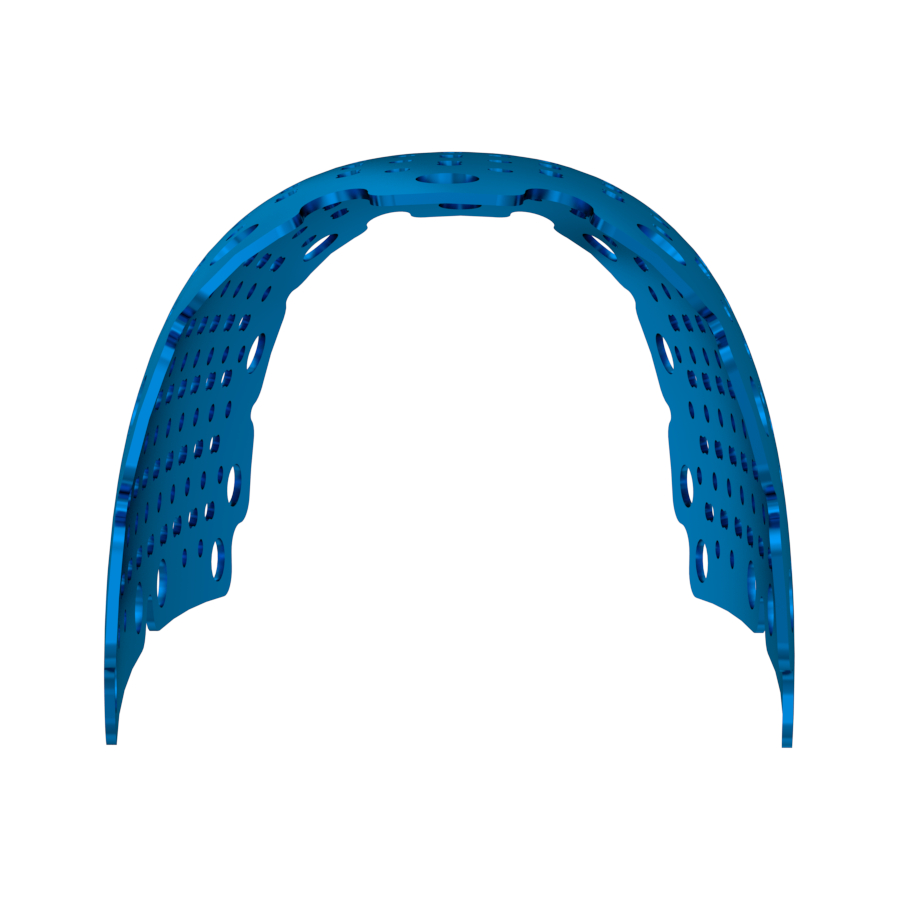
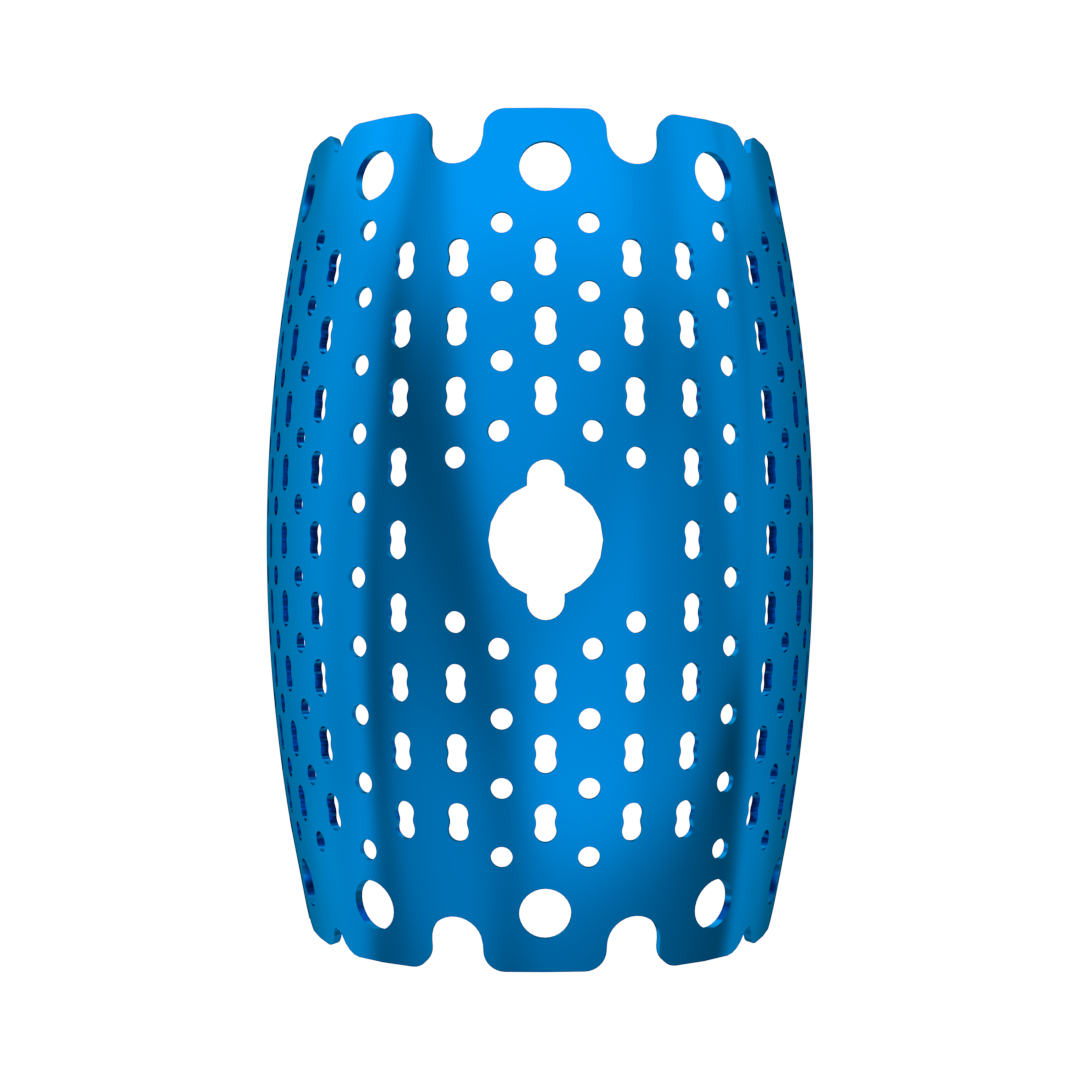
Description
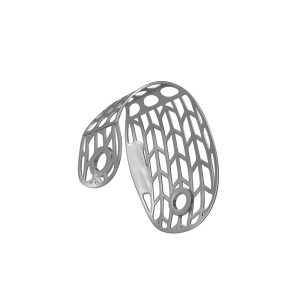
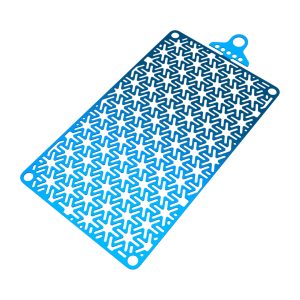
The titanium mesh is specifically designed for guided bone regeneration (GBR) and bone augmentation procedures where maintaining space and providing stable mechanical support are essential.
Made from high-quality medical-grade titanium, the mesh offers rigid, surface-level support for graft material, ensuring a more stable bone regeneration space. Its perforated structure promotes better vascularization, enhancing healing and integration. The mesh can be trimmed and shaped to match the defect area, allowing clinicians to adapt it precisely to the surgical site and optimize bone regeneration outcomes.
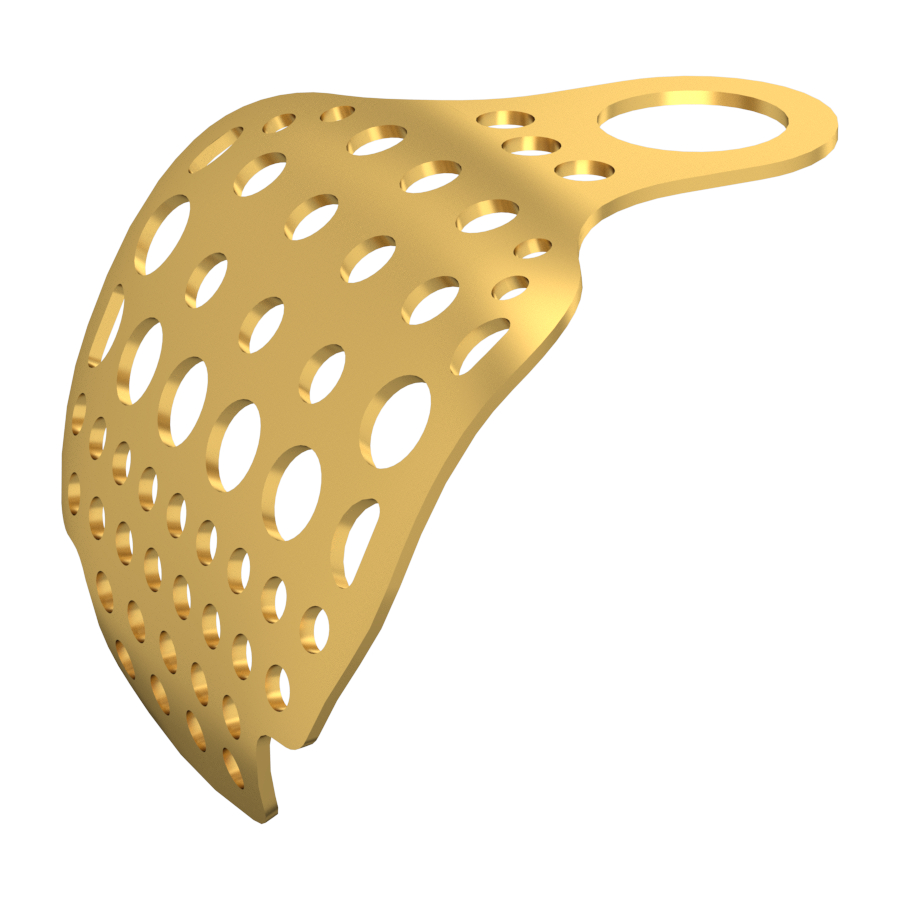
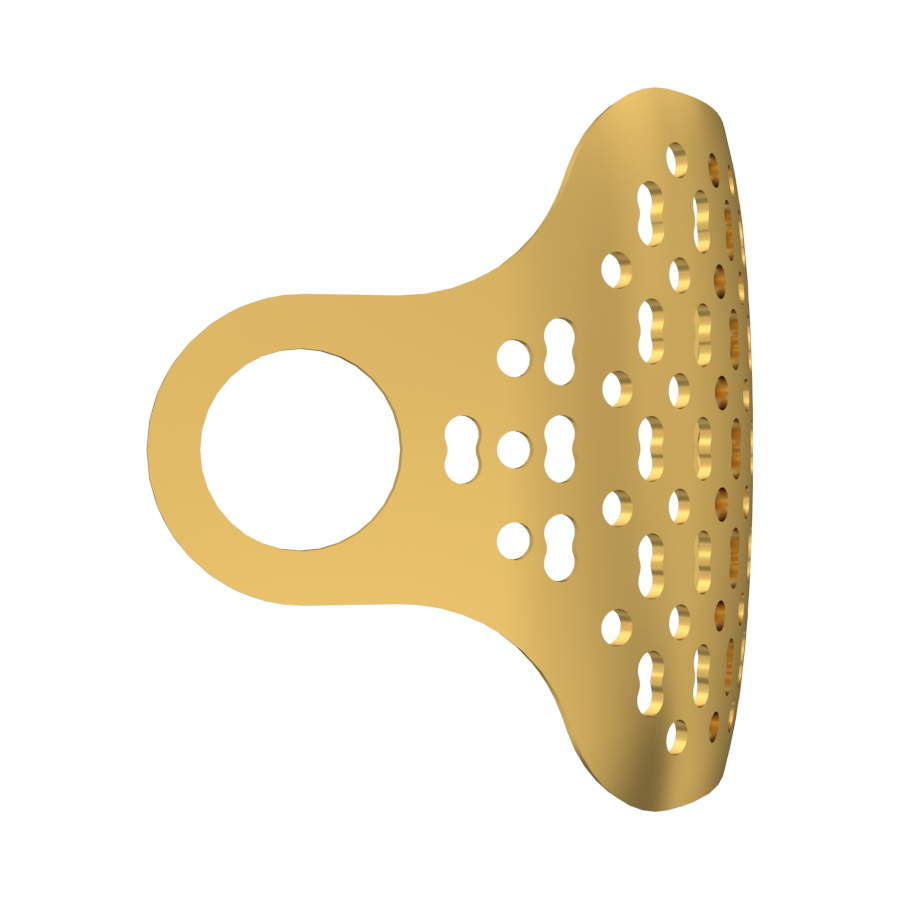
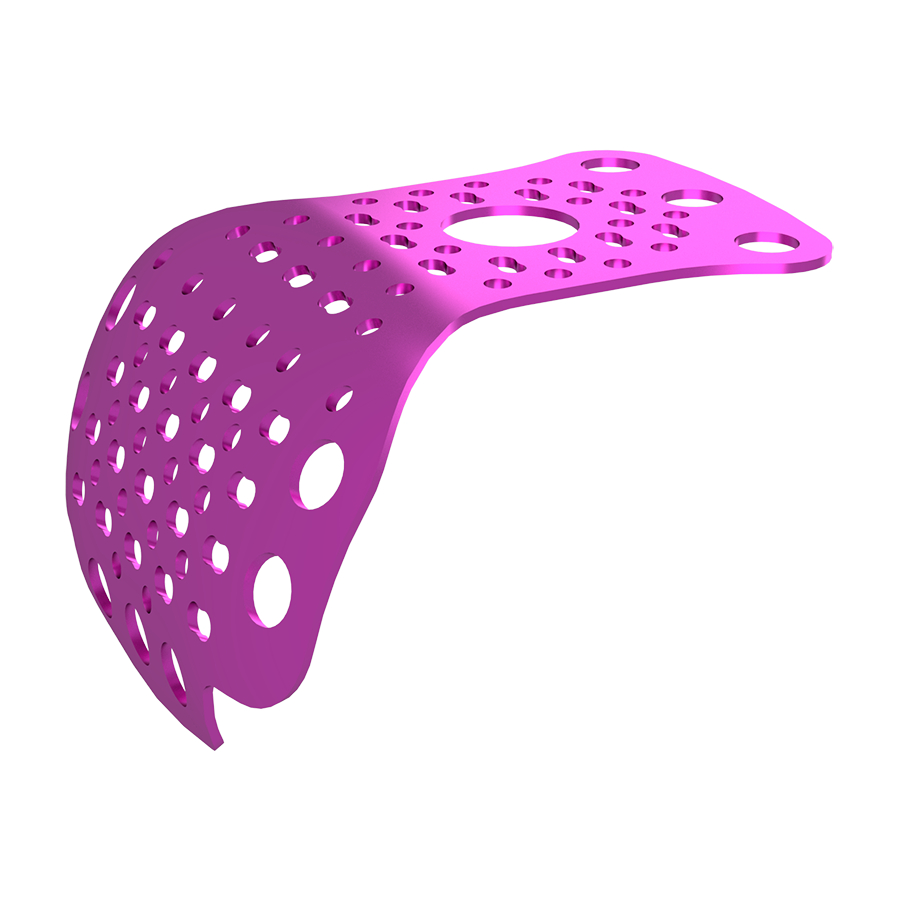
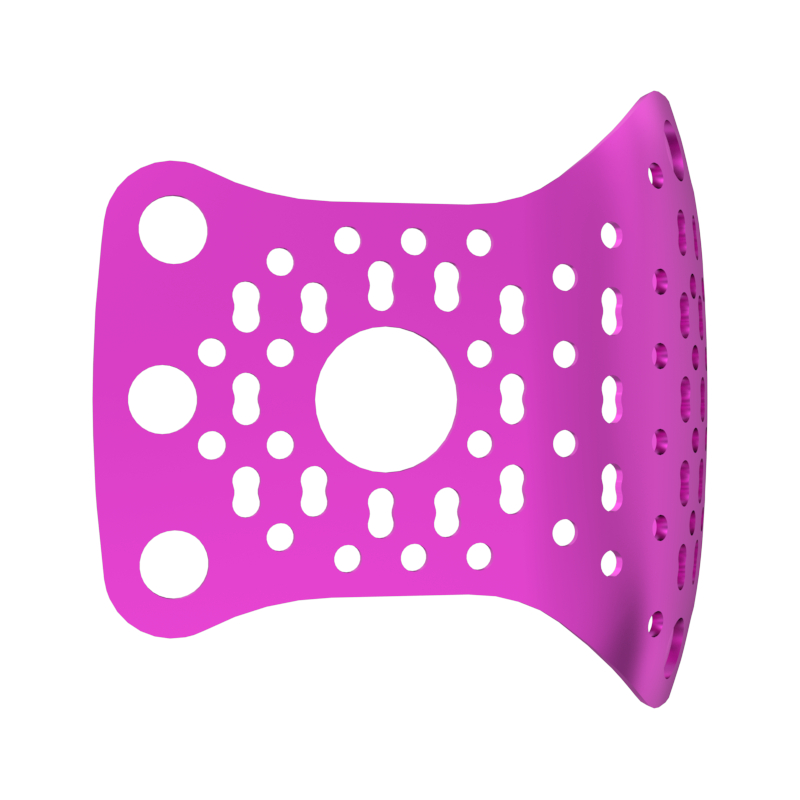
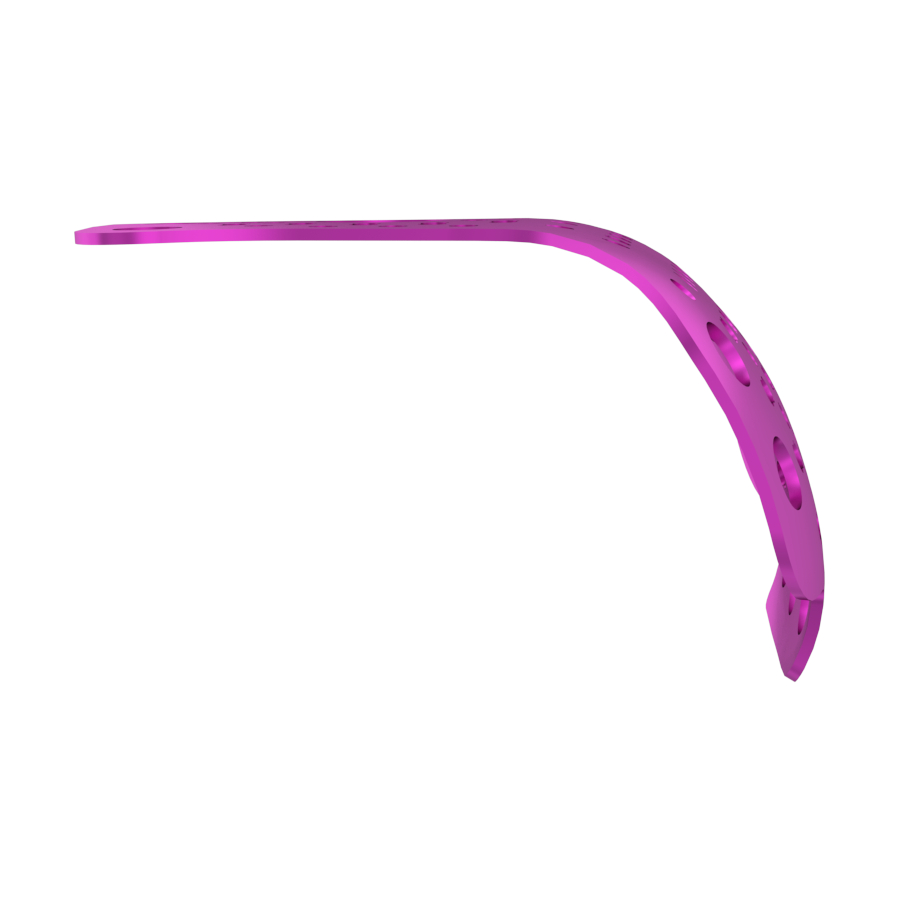
3 Types of Titanium Mesh Membrane
T2 Type Titanium Mesh
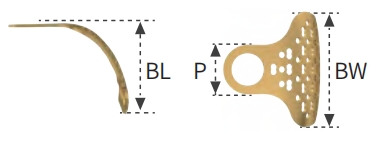
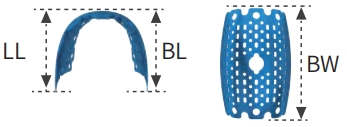
Proximal Width: 4 mm
Buccal Width (BW): 8 mm
Buccal Length (BL): 7 mm
Lingual Height: —
Thickness: 0.2 mm
T1 Type Titanium Mesh
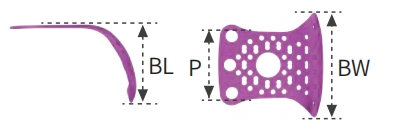
Proximal Width: 7 mm
Buccal Width (BW): 12 mm
Buccal Length: 9 mm
Lingual Height: —
Thickness: 0.2 mm
H Type Titanium Mesh
Proximal Width: —
Buccal Width (BW): 20 mm
Buccal Length: 11 mm
Lingual Height: 11 mm
Thickness: 0.2 mm
Features
- Anatomically Contoured for Better Adaptation
Pre-contoured to follow the natural shape of the alveolar bone, providing a closer intraoperative fit, reducing adjustment time, and helping reconstruct the desired ridge contour. - Lightweight Open-Mesh Design
The perforated structure reduces overall weight while allowing blood circulation and nutrient exchange, supporting soft- and hard-tissue healing. - Ultra-Thin 0.2 mm Profile
The 0.2 mm thickness helps reduce bulk and foreign-body sensation while maintaining reliable support for the augmented area. - Easy to Trim and Shape
The mesh can be cut, bent, and contoured during surgery to match different defect sizes and clinical requirements. - Secure Fixation with Membrane Tacks
Designed for use with membrane tacks to improve fixation stability, reduce the risk of displacement, and maintain a protected space for bone graft material.
How to Choose the Right Titanium Mesh
Shape
Choose a titanium mesh size that can fully cover the defect area and extend slightly beyond the grafted region to provide sufficient margins for stability.
Available in 3 shapes:
- T2 Type Titanium Mesh
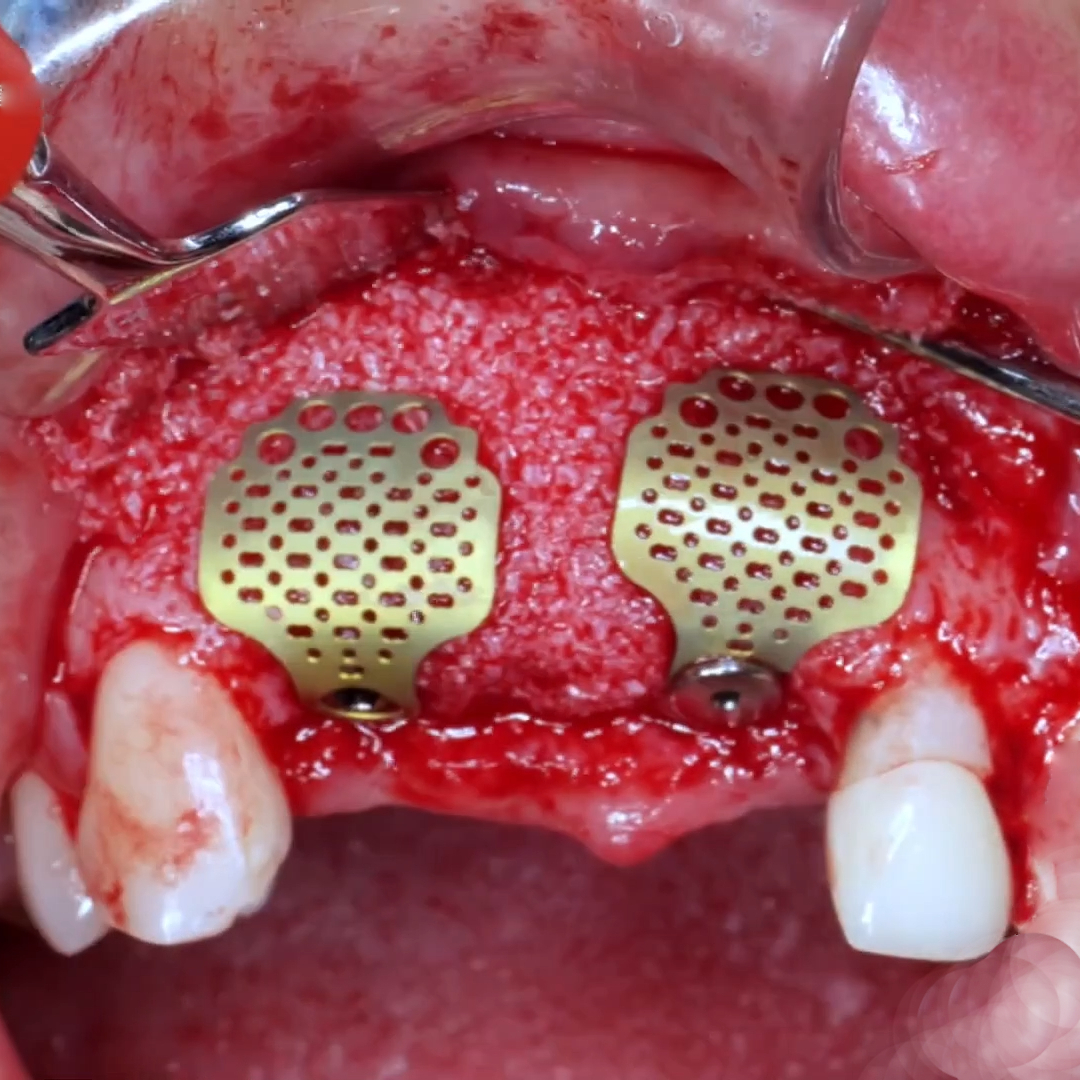
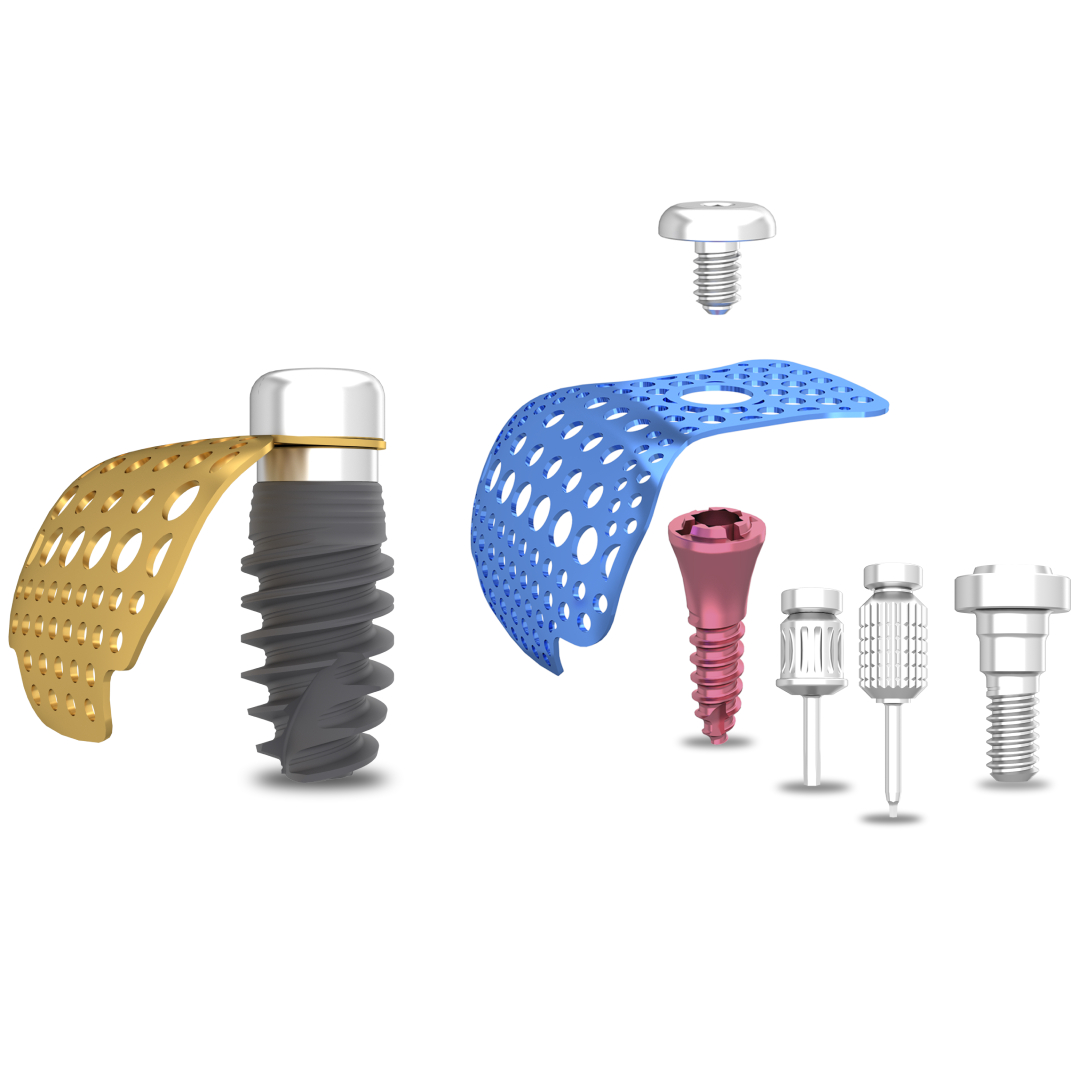
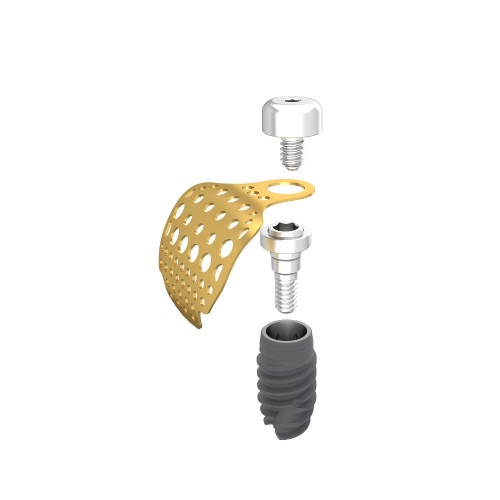
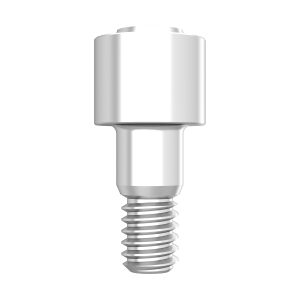
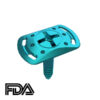
The T2 type features an upper-hole design and is suitable for small defects and selected immediate implant placement cases. It can be used together with implants, GBR adapter abutments, and fixation screws when clinically indicated. - T1 Type Titanium Mesh
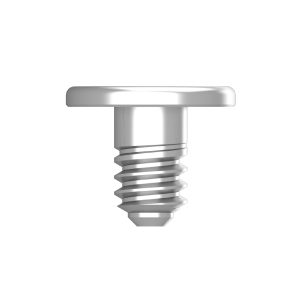
The T1 type has a broader surface-support design. It can be used with dedicated GBR titanium mesh supporting pins to create stable surface-level coverage and support for the grafted area. - H Type Titanium Mesh
The H type has an arch-shaped design with mesh support on both sides. It can be adapted to cover both buccal and lingual/palatal aspects, making it suitable for cases that require broader three-dimensional coverage.
Fixation Method
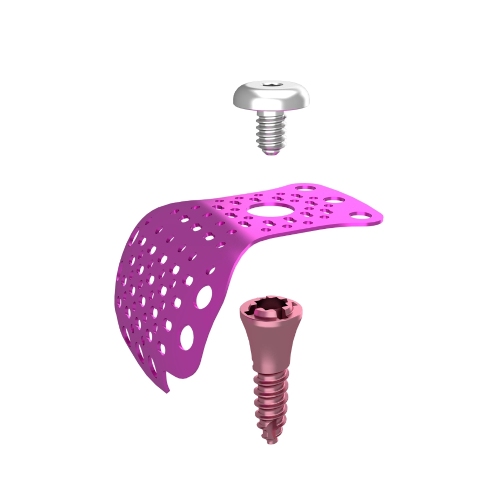
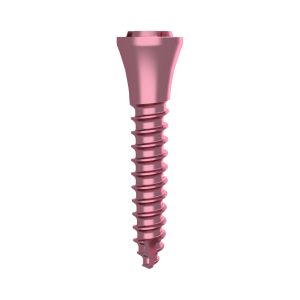
Membrane Fixation Screw–Supported Titanium Mesh System
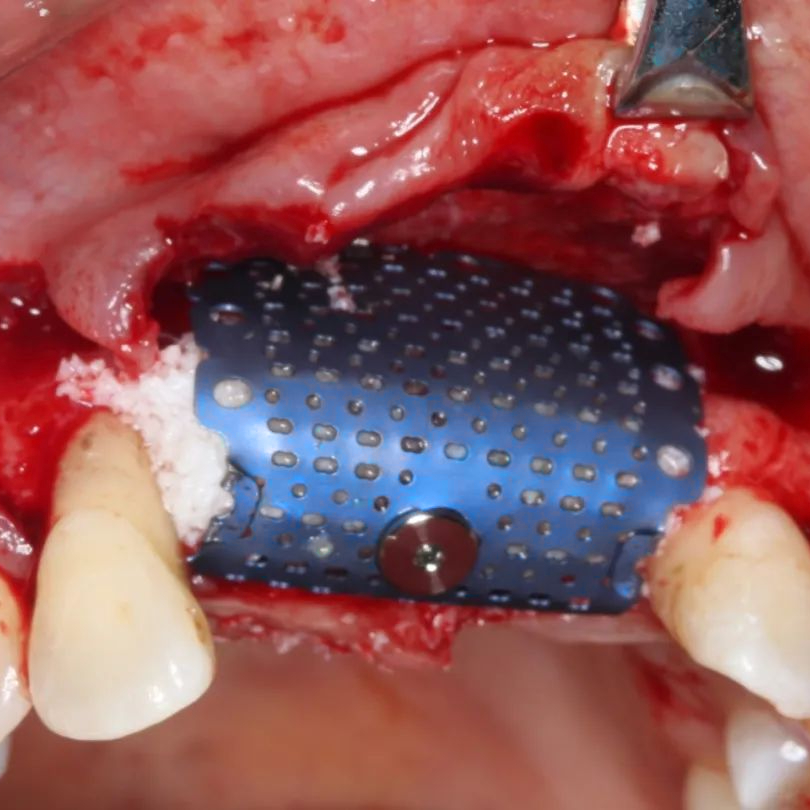
Membrane fixation screws are first placed to establish the required support height. The titanium mesh is then positioned and securely fixed. This method is suitable for bone augmentation procedures that require stable space maintenance for bone regeneration.
Adapter Abutment–Supported Titanium Mesh System
Simultaneous Implant Placement and Bone Augmentation
The implant is first placed and connected to a dedicated adapter abutment. The titanium mesh is then aligned with and secured to the abutment. This method is suitable for implant-assisted fixation during simultaneous bone augmentation procedures.
H-Type Titanium Mesh with Direct Membrane Fixation Screw Support
The H-type titanium mesh can be directly supported and secured using membrane fixation screws, without the need for additional tenting screws. Its H-shaped design facilitates stable positioning and helps maintain the required regenerative space. It is suitable for localized bone defects requiring a simple and efficient fixation approach.
The appropriate titanium mesh shape, size, and support method should be selected according to the defect morphology, bone quality, and planned surgical approach. Proper selection can help achieve more stable and predictable clinical outcomes.
Surgical Tips
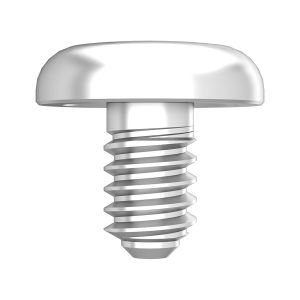
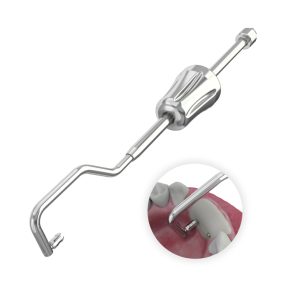
- Secure the titanium mesh with bone fixation screws or dedicated GBR titanium mesh supporting pins to prevent micromovement.
- Trim and contour the mesh precisely to match the defect morphology and reduce soft tissue irritation.
- Ensure tension-free flap closure to help reduce the risk of mesh exposure.
- For vertical or larger defects, consider using supporting pins to enhance space maintenance.
- In selected small-defect cases, titanium mesh may be used during immediate implant placement together with the implant and GBR adapter abutment.
- Always select the fixation and support method according to the defect size, bone condition, implant position, and clinician’s surgical plan.



Regular seller to us – recommended for dental practices manufacturing their own lab work on site.