


Description
This resorbable porcine peritoneum collagen membrane is manufactured from porcine peritoneum through decellularization, freeze-drying and irradiation sterilization. Its main component is collagen, and no chemical cross-linking treatment is used during production.
The membrane features a bilayer structure consisting of a dense surface and a porous surface. The dense surface, marked with “UP,” is placed toward the soft tissue, while the porous surface is placed toward the bone or bone graft material.
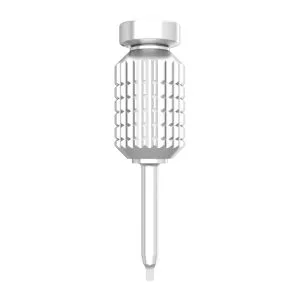
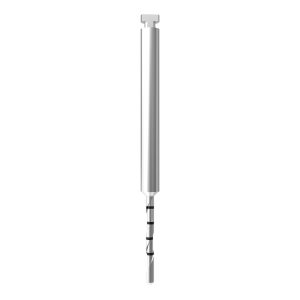
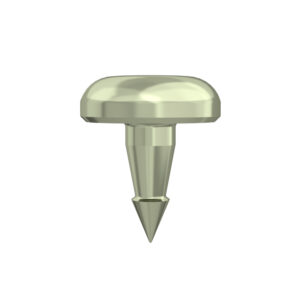
It is normally used together with bone graft materials to provide physical separation and coverage during implant-related oral repair procedures. The membrane is supplied sterile for single use and may be trimmed, hydrated and secured with membrane fixation tacks according to the clinical situation.
Product Features
- Non-Chemically Cross-Linked Porcine Collagen
Made from porcine peritoneum without chemical cross-linking treatment. The membrane does not rely on chemical cross-linking agents to modify the collagen structure. - Dense and Porous Bilayer Structure
The membrane has two clearly defined surfaces:
Dense surface: Marked with “UP” and placed toward the soft tissue
Porous surface: Placed toward the bone or bone graft material
The clear orientation helps clinicians position the membrane correctly during use. - Easy to Trim and Adapt
The membrane may be trimmed in its dry state using sterile scissors. It should extend at least 2 mm beyond the margins of the defect area to provide sufficient coverage. - Dry or Hydrated Application
The membrane may be placed directly in its dry state or hydrated with sterile saline or the patient’s blood before placement. - Optional Membrane Fixation
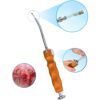
When additional stability is required, the membrane may be secured with membrane fixation tacks to help reduce displacement caused by movement or loading. - Sterile and Single Use
The product is sterilized by irradiation, supplied sterile and intended for single use only. Shelf life: 3 years.
Specifications
| Product Code | Size |
|---|---|
| 0019000064 | 16 × 22 mm |
| 0019000065 | 25 × 25 mm |
Advantages of Non-Chemically Cross-Linked Porcine Peritoneum Collagen
- No Chemical Cross-Linking Treatment
The membrane is manufactured without intentional chemical cross-linking treatment, differentiating it from collagen membranes whose structure is modified using chemical cross-linking agents. - Porcine Peritoneum-Derived Collagen
Porcine peritoneum provides a naturally derived collagen-based matrix that can be processed into a thin and adaptable barrier membrane. - Clear Bilayer Orientation
The dense and porous surfaces have different placement directions, helping clinicians distinguish the soft-tissue-facing side from the bone-facing side. - Resorbable Design
The resorbable collagen membrane is gradually absorbed after implantation and normally does not require a separate surgical procedure solely for membrane removal. - Practical Sizes for Routine Procedures
The 16 × 22 mm and 25 × 25 mm sizes provide options for both localized implant-related defects and larger graft coverage areas.
Clinical Application Scenarios
Within its intended use for implant-related oral repair, the membrane may be considered for:
- Extraction socket preservation before implant restoration;
- Bone graft coverage around implant sites;
- Localized peri-implant bone defects;
- Horizontal ridge augmentation related to implant placement;
- Coverage and protection of bone graft materials;
- Single-site or multiple-site implant-related GBR procedures.
Clinical application should be determined by a qualified medical professional according to the defect morphology, graft material, fixation requirements and treatment plan. For professional medical use only.
Directions for Use
- Prepare the Surgical Site
Follow standard aseptic surgical procedures and treatment principles. Expose and prepare the defect area according to the planned surgical procedure. - Place the Bone Graft Material
When required, place the selected bone graft material into the defect to fill the grafting area and maintain the intended space. - Trim the Membrane
Use sterile scissors to trim the membrane to the required shape and size while it is dry.
The membrane should extend at least 2 mm beyond the margins of the defect area. - Hydrate if Required
The membrane may be placed directly in its dry state.
Alternatively, it may be hydrated with sterile saline or the patient’s blood before placement.
Hydration time should not exceed 5 minutes. - Confirm the Correct Orientation
Place the membrane with:
The dense surface marked “UP” facing the soft tissue;
The porous surface facing the bone or bone graft material. - Adapt the Membrane
Position the membrane over the defect and apply gentle pressure to adapt it to the surgical area.
Blood and exudate can help fully wet the membrane and improve its adaptation to the underlying grafted area. - Fix the Membrane if Necessary
When additional stabilization is required, secure the membrane with membrane fixation tacks.
Fixation helps reduce membrane movement or displacement caused by loading or activity. - Achieve Primary Closure
Close the surgical site as completely and without tension as possible.
Membrane exposure should be avoided because exposure may accelerate membrane absorption. - Postoperative Management
Provide routine postoperative infection prevention and wound management according to the clinician’s professional judgment and local clinical protocols.


Reviews
There are no reviews yet