


Description
The implant stability meter uses Resonance Frequency Analysis (RFA) to evaluate implant stability. A magnetic pulse is generated by the probe of the main unit to activate the transducer, and the response signal is used to calculate the resonance frequency. This frequency is then applied to measure implant stability. The results are displayed on the main unit as an Implant Stability Quotient (ISQ), ranging from 1 to 100. A higher ISQ value indicates greater implant stability.
Product Features
Non-invasive testing: The device measures implant stability without causing any damage to the surrounding bone or other oral tissues, ensuring the patient’s oral health is fully protected and avoiding additional trauma or risk during the assessment.
Accurate and objective: Provides quantitative results, eliminating subjective judgment errors. Each measurement is reliable and consistent, with different users obtaining essentially the same values on the same implant.
Easy to operate: Designed with clinical convenience in mind, the interface is simple and intuitive. Even first-time users can quickly learn to operate the device after minimal training, following the step-by-step procedure for accurate measurements.
Rapid testing: Each measurement can be completed in a very short time. Using Resonance Frequency Analysis (RFA) technology, the device delivers results within seconds from the moment the magnetic pulse is applied, significantly improving clinical efficiency and reducing patient waiting time.
Components of the Implant Stability Meter
Model/Specification: ISD RFA10 (R10)
The ISD RFA10 Implant Stability Meter consists of the main stability measuring unit and compatible transducers. The stability measuring unit includes:
Main unit
Fixator
Self-test device
Adapter
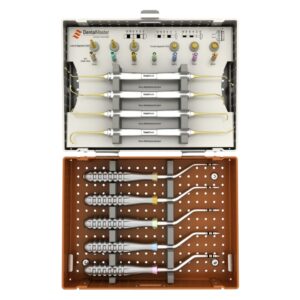
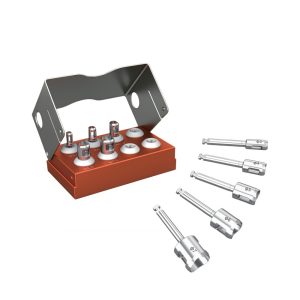
The device also comes with 5 complimentary measurement rods compatible with the following implant systems:
Nobel Biocare Active PCC
Straumann BLT/TL series
Dentium implants
Osstem TS3
Hiossen implants

Precautions for Use
This device must be operated only by qualified dental professionals.
Always use a transducer that matches the implant. Using a mismatched transducer may result in inaccurate measurements or make measurement impossible.
Before each use, perform a self-test to ensure the device is functioning normally. Only proceed with measurements if no abnormalities are detected.
Check the battery level before each use. Ensure at least one bar remains. If the battery icon turns red during testing, stop immediately and recharge the device.
Avoid staring at the display screen for extended periods to prevent eye strain.
Always use a sterilized sleeve on the tip of the probe during measurement.
If there is electromagnetic interference in the testing area, the device may not function properly. Remove any sources of interference before starting measurements.
Avoid strong electromagnetic fields during measurement. Do not operate nearby electrical devices such as microwaves.
Inspect the transducer for damage before use. Do not use a damaged transducer to avoid inaccurate measurements.
The device should not be used while charging.
After a full charge, the device can operate continuously for up to 4 hours.
This product is an auxiliary diagnostic tool and should be used as a supplement. Clinical assessment of osseointegration should also incorporate imaging methods.



Reviews
There are no reviews yet